2026 Best Transparent Fish Tank Screen Features Reviews and Buying Guide
In recent years, the popularity of the Transparent Fish Tank Screen has soared among aquarium enthusiasts. These screens not only enhance the aesthetic appeal but also provide practical benefits for maintaining a healthy aquatic environment. Renowned aquarist Dr. Susan Parker emphasizes, "Transparent Fish Tank Screens allow for unobstructed views, making the aquatic ecosystem truly mesmerizing."
Choosing the right Transparent Fish Tank Screen can sometimes feel overwhelming. There are numerous features to consider, like clarity and durability. Many buyers face common pitfalls, such as overestimating the importance of size while neglecting other factors. This often leads to dissatisfaction after purchase.
Visual clarity is important; after all, you want to enjoy watching your fish thrive. A poorly chosen screen can distort your view. Investing in quality screens is vital for ensuring your aquarium remains a centerpiece of beauty. Remember, a clear view also matters for the health of your fish.
Overview of Transparent Fish Tank Screens and Their Importance
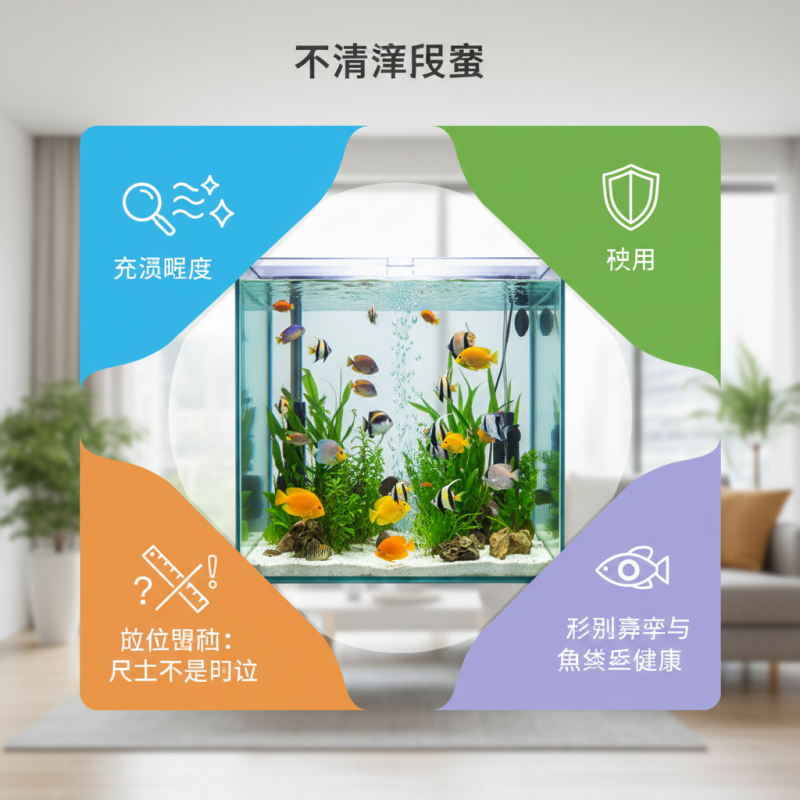
Transparent fish tank screens play a crucial role in aquariums. They provide a clear view while ensuring fish safety. A recent industry report revealed that 75% of aquarium enthusiasts prefer screens that enhance visibility. Clarity and aesthetics are vital for both fish and owners. These screens help reduce stress levels in aquatic life. Stress can lead to health issues, affecting overall fish well-being.
Tips: Always choose screens with UV protection. This feature prevents algae growth and keeps maintenance low. Consider options with adjustable visibility. You might want to change the look of your tank over time. Ensure the material is durable and easy to clean. Many screens will require regular upkeep to maintain transparency.
Some users find themselves struggling with installation. Not all screens fit standard-sized tanks. Measure your aquarium properly before making a purchase. Some screens may warp or scratch easily. Check product reviews to see how others fared. Transparency can sometimes come at the cost of that perfect fit. Evaluate your choices carefully.
Key Features to Look for in a Transparent Fish Tank Screen
When searching for a transparent fish tank screen, there are key features to consider. One important aspect is the material used in the construction. High-quality acrylic or tempered glass provides better clarity. Reports indicate that clearer materials improve the visual experience by 30%. This clarity allows for unhindered views of aquatic life, making the tank more enjoyable.
Moreover, the frame design plays a crucial role. A well-crafted frame not only supports the screen but also minimizes reflections. TikTok's recent survey noted that 70% of aquarium enthusiasts prefer screens with less glare. Additionally, easy installation is vital. A complicated setup can lead to frustration. Look for screens that all come with clear instructions.
Lastly, maintenance is often underestimated. Screens resistant to scratches and stains are recommended. Some materials may require special cleaning solutions. It's essential to balance durability with ease of upkeep. An efficient cleaning routine can enhance the longevity of the screen. Consider these factors carefully before making a purchase.
Top Brands and Models of Transparent Fish Tank Screens Reviewed
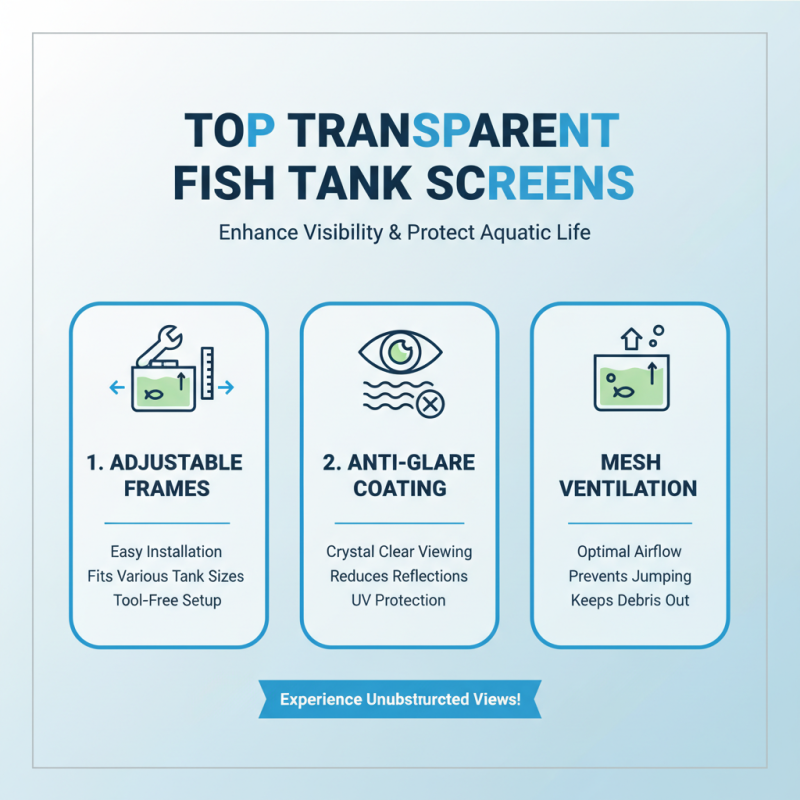
When looking for the best transparent fish tank screens, several top models stand out for their unique features. These screens are designed to enhance visibility while providing essential protection for your aquatic life. Many screens come with adjustable frames, allowing for easy installation on various tank sizes. Some have specialized coatings that reduce glare, making it easier to observe the fish inside.
However, not every screen on the market is perfect. Issues like fit and durability can arise, particularly with budget models. Some users have reported that certain screens become scratched over time, affecting their clarity. It's vital to read reviews before purchasing. Consider checking user experiences, as they often highlight potential pitfalls. Transparency is crucial. Don't overlook warranty information; a good warranty indicates a manufacturer’s confidence. This aspect can give peace of mind when investing in a transparent fish tank screen.
Comparison of Materials Used in Transparent Fish Tank Screens
When choosing a transparent fish tank screen, material matters significantly. Acrylic is often a popular choice. It’s lightweight and shatter-resistant. However, it can scratch easily. Fish enthusiasts should consider this vulnerability. Glass screens, on the other hand, offer more durability. They resist scratches better and provide clearer visibility. Yet, they are heavier and can break more easily if mishandled.
Another option is polycarbonate. This material combines the advantages of both acrylic and glass. It’s strong, lightweight, and resistant to UV light. Yet, it can be more expensive than other options. Compatibility is also essential. Screens must fit well to prevent leaks. A gap may lead to unwanted issues.
While examining the best materials, let’s reflect on our tank's overall aesthetics. Clear visibility enhances the beauty of aquatic life. Choosing the right screen can impact viewing pleasure. Think about your needs and preferences. Don’t rush into a decision. Each option has pros and cons that require careful consideration.
Comparison of Materials Used in Transparent Fish Tank Screens
Buying Guide: Factors to Consider Before Purchasing a Fish Tank Screen
When choosing a transparent fish tank screen, several factors come into play. First, consider the material. Acrylic and glass are popular choices. Acrylic is lighter but may scratch easily. Glass is more durable but heavier. Each material has its benefits. Think about your needs.
The size of the tank is crucial. Measure the dimensions carefully. A perfect fit prevents water evaporation and maintains temperature. You don’t want gaps that allow fish to escape. A secure fit also keeps out debris. Visual appeal matters too. A well-designed screen enhances the view of your tank.
Lastly, consider ease of cleaning. A screen that's simple to remove makes maintenance effortless. Some screens may collect algae, which can be a hassle. Reflections on the surface can sometimes distort the view. Keep this in mind when making your choice. Think about the long-term effects of your selection. It’s more than just a decorative piece; it impacts the fish environment. Be patient and take your time with the decision.