Top Benefits of Using Flexible Led Film Screen for Modern Displays
In the rapidly evolving world of visual display technology, the advent of the Flexible LED Film Screen has marked a significant milestone. These innovative screens not only offer exceptional image quality but also bring unparalleled versatility to modern displays, making them an ideal choice for a multitude of applications—from retail environments to corporate settings. As Dr. Emily Zhang, a leading expert in display technologies, aptly states, "The Flexible LED Film Screen epitomizes the future of visual communication, combining aesthetics with functionality."
The unique characteristics of the Flexible LED Film Screen provide several advantages that traditional display technologies often lack. With their lightweight design and adaptability to various surfaces, these screens can be seamlessly integrated into architecture and designed environments. Furthermore, they enable creative displays that can transform any space into an immersive visual experience, captivating audiences in unprecedented ways. In this article, we will explore the top benefits of using Flexible LED Film Screens in modern displays and how they are setting new standards in the industry.

Key Features of Flexible LED Film Screens for Modern Displays
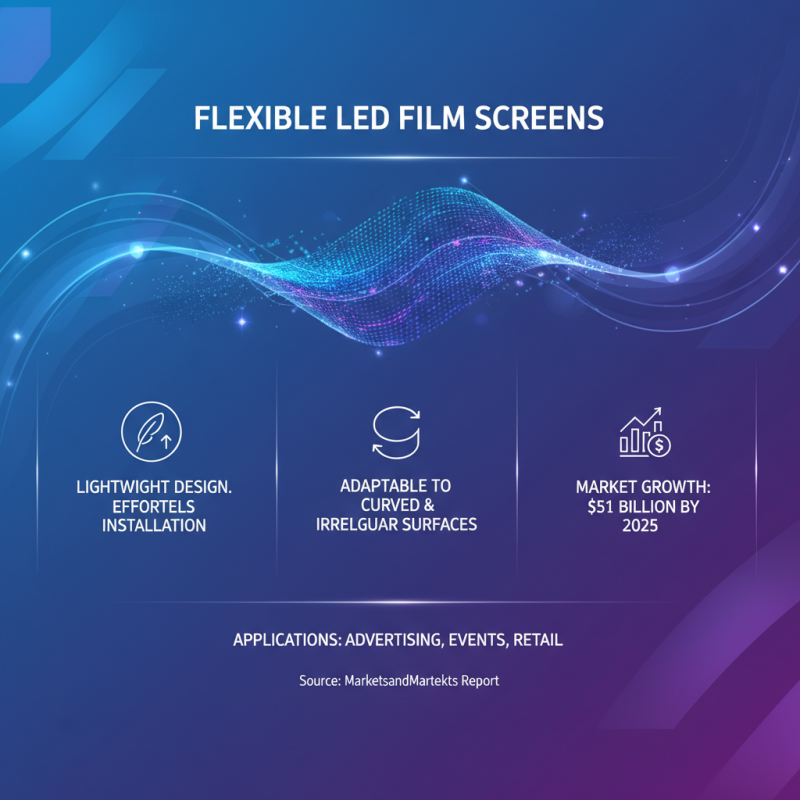
Flexible LED film screens are rapidly gaining traction in modern display technologies due to their unique attributes that cater to diverse applications. One of the key features of these screens is their lightweight design, which allows for effortless installation and adaptability to various surfaces, including curved or irregular shapes. According to a recent report by MarketsandMarkets, the flexible display market is expected to reach $51 billion by 2025, highlighting the increasing demand for versatile and adaptable display solutions in sectors such as advertising, events, and retail.
Another significant aspect of flexible LED film screens is their superior image quality and brightness. Unlike traditional display technologies, flexible LED films provide vibrant colors and sharp contrast ratios, even in well-lit environments. Research conducted by Grand View Research indicates that the global LED display market is projected to grow at a CAGR of 15.4% from 2021 to 2028, driven largely by innovations in flexible LED technology. Furthermore, these screens are energy-efficient, contributing to lower operational costs for businesses while maintaining high performance.
Additionally, the flexibility of these screens allows for seamless integration with existing setups and enhances user engagement through dynamic content presentation. The adaptability of flexible LED film screens not only makes them ideal for exhibitions and retail spaces but also opens up new avenues in architectural design, where creativity and functionality blend harmoniously. This emerging technology represents a significant leap forward in display solutions, catering to the evolving needs of modern consumers and businesses alike.
Advantages of Lightweight Design in Flexible LED Film Screens
Flexible LED film screens are becoming increasingly popular in modern displays, and one of their standout features is their lightweight design. This attribute enables easy installation and portability, giving users the flexibility to deploy these screens in various environments, whether for events, exhibitions, or permanent installations. The ultra-thin nature of flexible LED film also means that they take up minimal space, allowing for creative display solutions that were previously unattainable with traditional screens.
Tips: When considering a flexible LED film screen, think about the specific application. For temporary setups, lightweight designs allow for quicker assembly and disassembly. In contrast, their flexibility lets you choose unconventional shapes and sizes, enhancing the visual impact of your display.
Another significant advantage of lightweight flexible LED film screens is their energy efficiency. Because they consume less power due to their innovative design, these screens not only reduce operational costs but also minimize their environmental footprint. This is particularly beneficial for businesses aiming to go green while still delivering high-quality visual experiences.
Tips: Always assess the power requirements of flexible LED screens before installation. This can help in optimizing energy consumption and ensuring effective performance while significantly reducing electricity bills.
Versatility of Flexible LED Film Screens in Various Environments
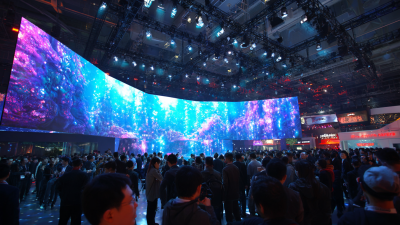
Flexible LED film screens represent a remarkable innovation in display technology, offering unmatched versatility across various environments. Their lightweight and thin design allows for easy installation in a wide range of applications, from corporate settings to entertainment venues. In retail spaces, for instance, these screens can be seamlessly integrated into building structures, creating captivating displays that enhance customer engagement. Their flexibility also enables creative designs and shapes, allowing businesses to craft unique visual experiences that stand out.
Moreover, flexible LED film screens can adapt to different surfaces and contours, making them ideal for unconventional locations. Whether it’s curved walls in modern architecture or even outdoor installations, these screens maintain high-quality imagery without compromising on performance. Their weather-resistant properties allow for outdoor usage, while their energy efficiency feature makes them a sustainable choice for any establishment. As a result, businesses can leverage these adaptable displays to convey dynamic content that captivates audiences in both functional and aesthetic aspects.
Enhanced Visual Performance of Flexible LED Film Screens
Flexible LED film screens have revolutionized the way we experience visual content, offering unparalleled visual performance for modern displays. With their lightweight and thin profile, these screens can be seamlessly integrated into various environments, providing vibrant colors and clarity that enhance any viewing experience. The flexibility of the material allows it to be shaped to fit unconventional spaces, making it ideal for creative installations and dynamic advertising applications, where traditional rigid screens may fall short.
One of the standout features of flexible LED film screens is their ability to deliver high-resolution images with exceptional brightness and contrast. This ensures that visuals appear striking and lifelike, capturing the attention of audiences in settings such as retail environments, concert venues, and art exhibitions. Additionally, these screens often feature improved viewing angles, enabling viewers to enjoy stunning visuals from virtually any position, which is a critical advantage in public spaces.
**Tips:** When considering a flexible LED film screen, assess the environment where it will be used. Take into account factors like ambient light and distance from viewers to ensure optimal performance. Furthermore, think about the installation process; proper mounting and support can significantly enhance the screen's longevity and functionality. Lastly, always look for options that allow for easy maintenance to keep the display looking its best over time.
Comparison of Cost-Effectiveness: Flexible LED Film Screens vs. Traditional Displays
When evaluating the cost-effectiveness of flexible LED film screens compared to traditional display technologies, several factors emerge that illustrate their economic advantages.
Flexible LED film screens, with their lightweight and adaptable design, often require less structural support and can reduce installation costs significantly. This adaptability not only benefits the manufacturing process but also allows for easier transportation. Additionally, the longevity and energy efficiency of LED technology promise substantial savings over time, resulting in lower operational costs that traditional displays may not match.
Furthermore, maintenance expenses must also be considered in this comparison. Flexible LED film screens generally experience lower failure rates due to their robust nature, which translates to fewer repairs and replacements over their lifetime. The technology behind these displays allows for easy servicing, which reduces downtime and associated costs. In contrast, traditional displays often involve more complex servicing processes, leading to higher expenses and longer periods of inoperability. Thus, when weighed against the backdrop of longevity and reduced maintenance, flexible LED film screens present a compelling case for businesses looking for cost-effective display solutions.