Discover the Benefits of Flexible Transparent Irregular Display Screen?
The advent of the "Flexible Transparent Irregular Display Screen" is revolutionizing visual technology. This innovation brings a new level of versatility to display solutions. Industry expert Dr. Emily Tran states, "These screens offer unmatched adaptability for creative applications." Her insights highlight the profound impact of this technology.
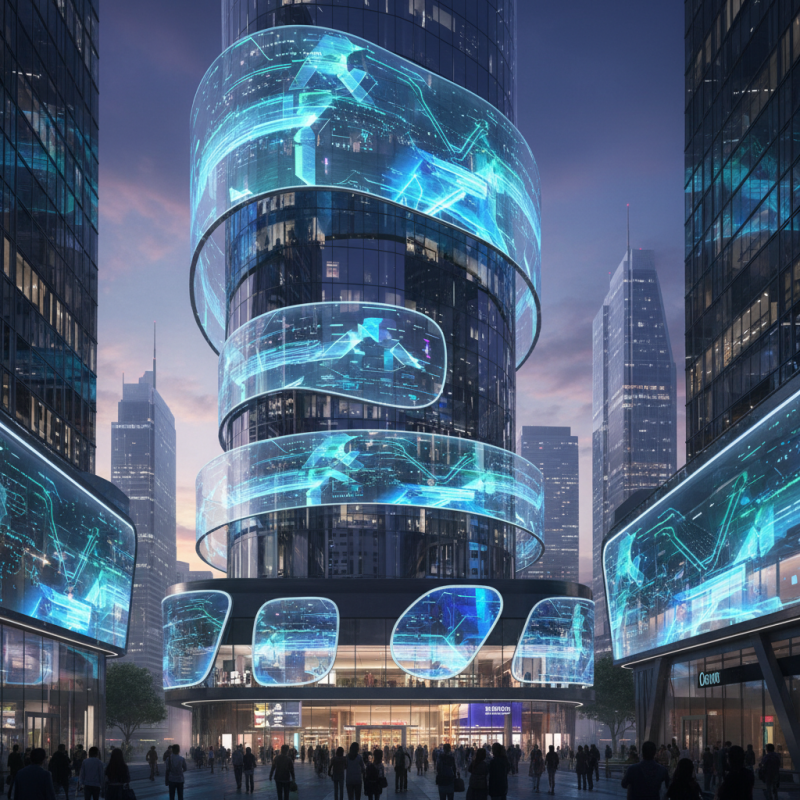
Flexible Transparent Irregular Display Screen enables designers to push boundaries. Architects can integrate these screens into their buildings seamlessly. Retail spaces can utilize them for dynamic digital signage. This flexibility opens doors to creativity, but it also introduces challenges. The irregular shapes can complicate standard manufacturing processes. Striking a balance between design and production remains a crucial task.
While the opportunities are exciting, not all implementations are perfect. Some users have faced issues with clarity and durability. Real-world applications reveal both promise and limitations. It’s essential to reflect on these experiences to drive future improvements. The journey with Flexible Transparent Irregular Display Screen is evolving, and learning from each step is vital.
Understanding Flexible Transparent Irregular Display Screens
Flexible transparent irregular display screens are revolutionizing visual technology. Unlike traditional displays, these screens can adapt to various shapes and sizes. This flexibility opens up new possibilities in design and functionality, making them ideal for innovative applications. According to a report by Research and Markets, the flexible display market is projected to reach $36.22 billion by 2025, driven by advancements in OLED technology.
These screens offer unique advantages, especially in architecture and automotive industries. For example, they can be integrated into windows, allowing for smart visual displays without obstructing views. A study by Grand View Research highlights that transparent displays improve user interaction, offering a seamless integration with real-world environments. However, challenges remain in terms of production costs and durability. The materials used must be both flexible and robust to withstand daily wear.
Current advancements highlight both the potential and the hurdles that need addressing. Although flexible transparent irregular displays show promise, ongoing research is crucial. Issues like visual clarity and response time require further exploration. Industry experts emphasize the importance of collaboration between researchers and manufacturers to optimize performance. Addressing these challenges can lead to broader adoption and innovative applications in the near future.
Key Advantages of Flexible Display Technology in Modern Applications
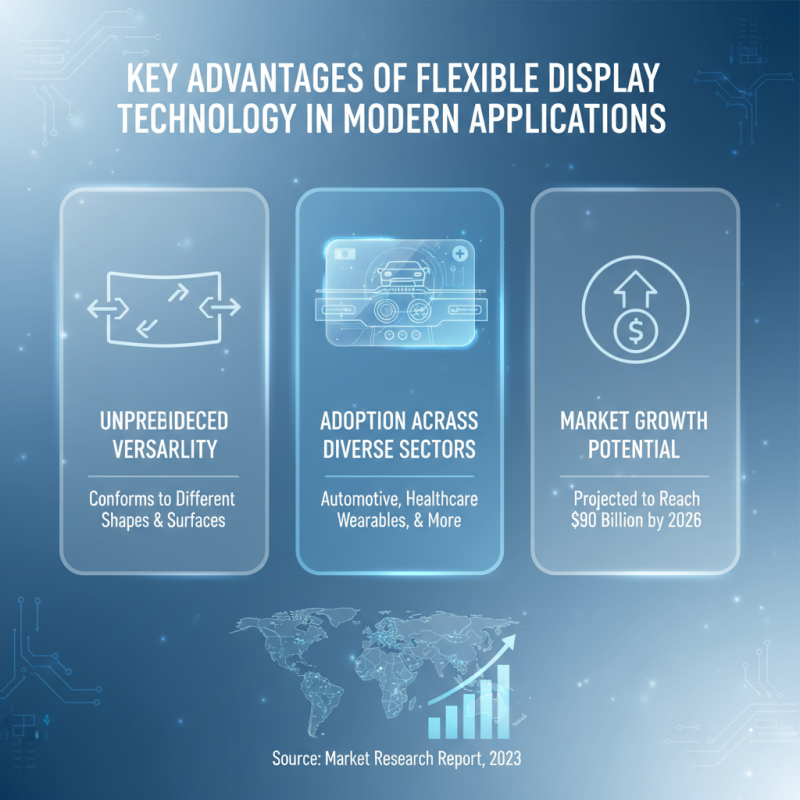
Flexible transparent irregular display screens are becoming increasingly vital in various sectors. The technology offers unprecedented versatility, enabling screens to conform to different shapes. According to a recent market research report, the flexible display market is projected to reach $90 billion by 2026. This growth reflects the wide adoption of such displays across industries from automotive to healthcare.
One significant advantage of flexible display technology is its potential to enhance user experiences. For example, curved screens can provide immersive interactions in retail environments. Moreover, they can be integrated into wearable devices, catering to the demand for lightweight and portable gadgets. However, the complexity of manufacturing these screens can lead to inconsistencies in quality, which remains a challenge for developers.
Lastly, energy efficiency is a noteworthy benefit. Flexible displays often consume less power compared to traditional screens. However, achieving durability remains a concern, as these screens can be more susceptible to wear and tear. Continuous research and development are essential to overcome these limitations, ensuring the technology meets industry standards.
Applications of Transparent Screens in Various Industries
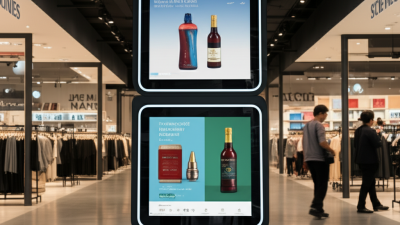
Transparent screens are transforming several industries by providing unique solutions. In retail, these screens enhance customer experiences by displaying engaging content while allowing visibility into the store. According to a report by MarketsandMarkets, the global transparent display market is projected to reach $1.5 billion by 2025, indicating a robust potential for adoption in this sector.
In the automotive industry, transparent displays are now appearing in vehicle dashboards and windshields. This technology aids drivers by overlaying important information directly onto their field of vision. Research by IDTechEx shows that transparent displays could generate over $18 billion in revenue for automotive applications by 2030. Yet, many manufacturers face challenges in achieving the right balance between aesthetics and functionality.
Moreover, the healthcare sector is exploring transparent screens for surgical applications. These screens can display vital data while maintaining clarity of the surgical field. However, there is still uncertainty surrounding the long-term reliability of these displays in high-stakes environments. As the technology evolves, continuous research is essential to address these concerns and enhance the credibility of transparent screen applications across various industries.
Discover the Benefits of Flexible Transparent Irregular Display Screen
| Industry |
Application |
Benefits |
Technology |
| Retail |
Shop Windows |
Enhances Customer Engagement |
OLED Technology |
| Automotive |
Dashboard Displays |
Increased Driver Interaction |
Transparent LCD |
| Entertainment |
Augmented Reality Displays |
Immersive Experiences |
Flexible LED |
| Healthcare |
Medical Equipment Displays |
Improved Patient Interaction |
MicroLED Technology |
| Real Estate |
Virtual Tours |
Enhanced Property Visualization |
Holographic Displays |
Innovative Design Possibilities with Irregular Display Shapes
The world of display screens is evolving rapidly. Flexible transparent irregular display screens are paving the way for innovative design. These screens break free from traditional rectangular shapes. Designers now can create fluid, captivating visuals tailored to various environments.
Imagine a gallery where a curved screen seamlessly wraps around a sculpture. This not only enhances the artwork but also engages viewers in a unique experience. Irregular shapes allow for more creativity. They invite designers to experiment with layouts and interactions. However, this innovation comes with challenges. Developing these screens requires advanced technology and material know-how.
Integrating flexible displays into everyday objects can redefine user interaction. Think about a retail store where the display curves around a product. It captures attention and presents information dynamically. Yet, there are obstacles. Ensuring durability and visibility in various lighting conditions is critical. Designers must balance aesthetics with functionality. The journey toward achieving seamless integration is ongoing, rich with opportunities and lessons to be learned.
Future Trends and Developments in Flexible Display Technology
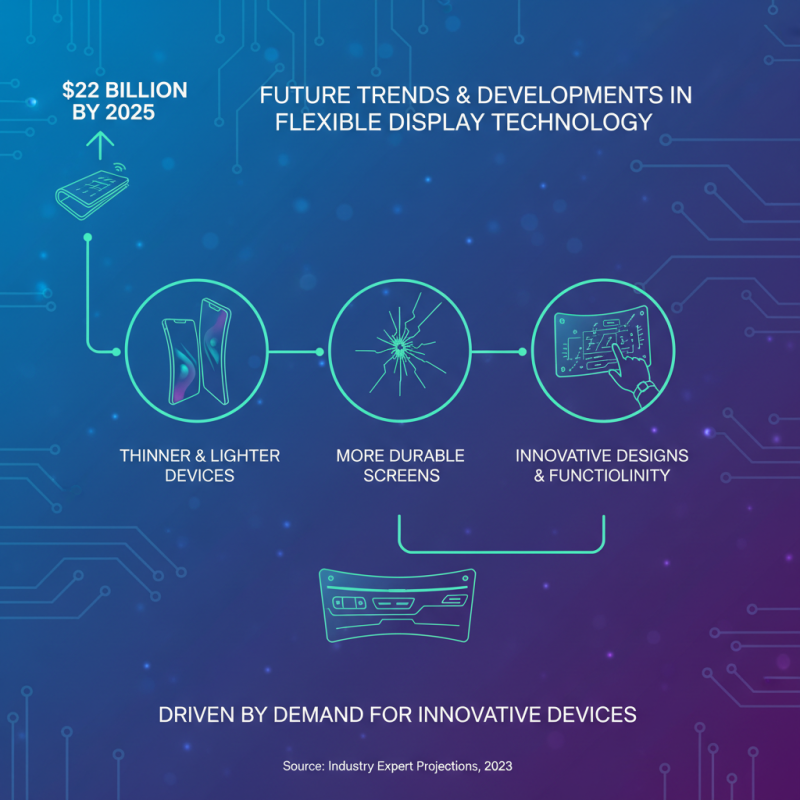
Flexible display technology is rapidly evolving. Experts predict that the market for flexible displays will reach $22 billion by 2025. This growth is driven by increasing demand for innovative devices. These displays offer new possibilities, especially in design and functionality. Users can expect thinner, lighter, and more durable devices.
Emerging trends show that transparent displays are becoming integral to various applications. Industries like automotive and retail are adopting these technologies. The ability to layer information over real-world views is revolutionary. According to recent reports, the adoption of transparent displays could grow by 35% in the next few years. This growth presents opportunities and challenges for developers. Questions about durability and efficiency persist, and improvements are necessary.
Developments in flexible and irregular displays are paving the way for creativity. Artists and engineers collaborate to redefine visual experiences. Research indicates that consumers prefer customized, interactive designs. However, challenges remain, such as production costs and scalability. Attention to these areas is crucial for widespread acceptance. Addressing these challenges will determine the future of flexible display technology.