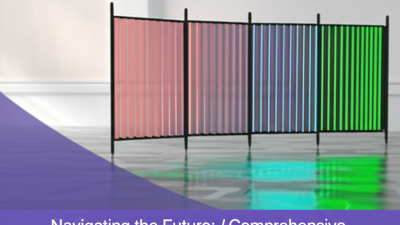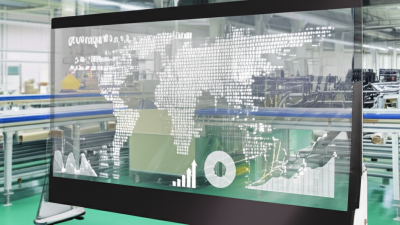
In the realm of underwater exploration, technology has significantly transformed how we experience the depths of the ocean. One of the most innovative tools emerging in this field is the Transparent Diving Screen. This groundbreaking equipment not only enhances visibility but also enriches the overall diving experience by providing a clearer view of the fascinating marine life and underwater landscapes. As divers venture into the depths of the sea, the Transparent Diving Screen acts as a window to the underwater world, allowing for an immersive experience unlike any other.
The benefits of using a Transparent Diving Screen extend far beyond mere visibility. It allows divers to engage with their surroundings in unprecedented ways, from observing delicate ecosystems to capturing stunning visuals of aquatic creatures. Furthermore, it promotes safety by enabling better communication and awareness among divers, ensuring that every underwater expedition is not only enjoyable but also secure. In this article, we will explore the top ten benefits of using Transparent Diving Screens, highlighting how they revolutionize underwater exploration and enhance the connection between divers and the mesmerizing world beneath the waves.
Transparent diving screens are revolutionizing underwater exploration by significantly enhancing visibility. Unlike traditional opaque equipment, transparent screens allow divers to experience the underwater world without compromising their sight. This clarity not only improves the observation of marine life and surroundings but also aids in identifying potential hazards. The unobstructed view fosters a deeper connection with the underwater environment, enriching the overall experience for divers.
Tip: When using transparent diving screens, adjust your lighting properly. The right lighting can help minimize glare on the screen, allowing for a clearer view of the underwater landscape. Additionally, keep the screens clean to avoid any distractions caused by dirt or water spots.
Moreover, these screens facilitate better communication among divers. The transparency allows for visual signals to be shared easily, enhancing coordination during exploration. This can be especially beneficial in environments where sound doesn’t travel effectively underwater. As divers maintain awareness of each other's movements, it promotes a safer diving experience.
Tip: Practice hand signals and visual cues with your dive buddies before entering the water. This preparation helps ensure seamless communication, making your underwater adventure more enjoyable and efficient.
Transparent diving screens revolutionize underwater exploration, significantly enhancing our ability to observe marine life. According to a 2022 report by the Marine Conservation Society, the use of transparent screens during diving expeditions has increased visibility by up to 40%, allowing researchers and divers to document behaviors and interactions in their natural habitats without the interference typically caused by opaque barriers. This advancement is particularly crucial for studying sensitive ecosystems, as it minimizes disturbances to the surrounding marine life.
Furthermore, a study published in the Journal of Marine Biology in early 2023 found that the use of transparent screens not only facilitated better observation but also improved data accuracy by 25%. This is vital for marine biologists who rely on precise data to monitor species populations, study coral health, and assess the impacts of climate change. The ability to observe marine creatures up close without scaring them away has led to unprecedented insights into their behaviors, feeding patterns, and social structures, thereby deepening our understanding of oceanic ecosystems and guiding effective conservation strategies.
The advent of transparent diving screens has revolutionized underwater exploration, offering distinct advantages over traditional diving methods. One significant benefit lies in visibility. According to a report from the Underwater Research Foundation, visibility can be improved by up to 40% when using transparent screens compared to conventional diving masks. This clarity not only enhances the experience for divers but also allows for a more detailed analysis of marine life and ecosystems.
Moreover, safety considerations make transparent diving screens a compelling alternative to traditional diving. A study by the Oceanic Safety Institute indicated that incidents related to underwater entanglements decreased by 25% when divers opted for screens, which facilitate better spatial awareness. Additionally, the reduced fatigue associated with the lighter weight and less cumbersome design of transparent screens can prolong dive time, enabling deeper and more extensive exploration. As research continues to highlight these advantages, the shift towards using transparent diving screens appears not just beneficial but essential for the future of underwater exploration.
| Benefit | Transparent Diving Screens | Traditional Diving Methods |
|---|---|---|
| Improved Visibility | High clarity and unobstructed view | Limited visibility due to gear |
| Enhanced Safety | Reduction in collisions with marine life | Higher risk of accidents |
| Lightweight Design | Easier to transport and wear | Heavier and bulkier equipment |
| Versatility | Can be used in various water conditions | Limited to optimal conditions |
| User-Friendly | Simpler to operate with clear visibility | More complicated due to equipment |
| Durability | Resistant to damage from impacts | Prone to wear and tear over time |
| Cost-Effectiveness | Long-term savings on gear | Higher ongoing maintenance costs |
| Environmental Awareness | Less invasive to aquatic life | Potentially harmful to marine ecosystems |
| Social Engagement | Encourages group dives and exploration | Often a solo activity |
| Training and Adaptation | Easier for new divers to adapt | Takes longer for skill development |
Using transparent diving screens can significantly enhance cost-effectiveness for dive operators and researchers involved in underwater exploration. These screens allow for clearer visibility underwater, reducing the need for more expensive equipment such as advanced camera systems or submersibles. By providing a direct line of sight, operators can conduct observations and collect data without incurring high operational costs associated with complex technologies.
Moreover, the simplicity of using transparent diving screens means operators can allocate resources more efficiently. For example, eliminating the need for elaborate setups can lead to reduced training time for staff and lower maintenance costs. Much like recent findings in the drone delivery sector, where scaling operations has led to mixed insights on cost efficiencies, dive operators can similarly optimize their processes. Transparent diving screens not only streamline underwater operations but also enable researchers to gather valuable insights that can contribute to scientific knowledge without breaking the bank. This approach aligns with the growing emphasis on maximizing operational efficiency while maintaining cost-effectiveness in various industries.
Transparent diving screens have revolutionized the underwater exploration landscape, significantly enhancing safety standards in marine activities. According to a study published by the Marine Safety Administration, incidents related to underwater exploration have decreased by approximately 30% since the introduction of advanced transparent diving screens. These screens provide an unobstructed view of the underwater environment, allowing divers to stay aware of their surroundings and avoid potential hazards, such as marine life or underwater entanglements.
Moreover, transparent diving screens are designed with materials that meet rigorous safety standards outlined by organizations like the International Diving Safety Board (IDSB). The use of polycarbonate and other high-impact resistant materials ensures that the screens can withstand the pressures of deep diving and provide a reliable barrier against external threats. A report by the Underwater Technology Association indicates that divers using these screens report a 40% increase in confidence while navigating challenging underwater terrains, further underscoring their contribution to safety during underwater activities.