What are the Benefits of Transparent Spherical Screens?
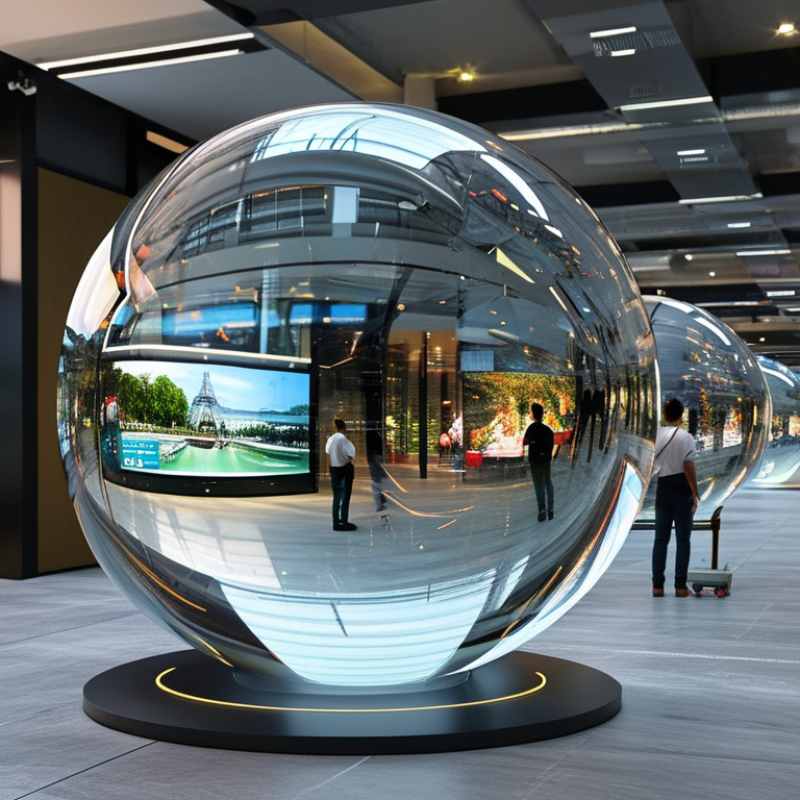
Transparent spherical screens are revolutionizing display technology. These innovative screens offer unique benefits that enhance visual experiences in various settings. Their spherical design allows for immersive viewing from multiple angles. This makes them ideal for public spaces, exhibitions, and advertising.
The use of a transparent spherical screen provides a blend of functionality and aesthetics. Users can showcase digital content without obstructing the physical environment. This feature can transform any space into an interactive experience. However, the technology does come with challenges. The production costs can be high, and maintenance requires expertise.
Incorporating transparent spherical screens into designs sparks creativity but urges designers to reflect on practicality. The balance between visual impact and functional use is delicate. Ultimately, understanding these benefits helps users make informed decisions. The future of display technology is undoubtedly exciting.
Benefits of Transparent Spherical Screens in Modern Technology
Transparent spherical screens are becoming increasingly vital in modern technology. These unique displays allow for immersive and interactive experiences across various sectors. According to a recent market report by Industry Research, the global transparent display market is projected to reach $5 billion by 2025, indicating a rapid growth and interest in these technologies.
One significant benefit of transparent spherical screens is their ability to blend seamlessly into any environment. In retail, for instance, these screens can enhance customer engagement while maintaining visibility of the products behind them. A 2022 study from MarketWatch highlights that retailers utilizing transparent displays have seen a 30% increase in foot traffic. This suggests a strong correlation between visibility and customer interest, prompting retailers to invest in this technology.
However, there are challenges to consider. High manufacturing costs and technical limitations can hinder widespread adoption. The implementation of these technologies requires refined calibration and support. Some users report difficulties integrating these screens into existing systems. This indicates that while the potential benefits are substantial, the transition to transparent spherical screens requires careful planning and execution.
Enhancing Visual Experience through Transparent Displays
Transparent spherical screens represent a breakthrough in visual technology. They offer a unique viewing experience, blurring the lines between digital content and the physical world. The transparent design means users can see through the display while engaging with vibrant visuals. This characteristic is particularly valuable in contexts like museums, retail displays, and corporate environments. It allows for a more immersive interaction, enhancing storytelling and product showcases.
By incorporating advanced visual techniques, these screens create a captivating experience. Imagine a museum exhibit where historical artifacts are displayed alongside digital animations. The combination enriches the narrative, creating an engaging educational environment. This technology also provides flexibility; businesses can showcase promotions while maintaining visual openness. However, the technology isn't without challenges. Lighting conditions and viewing angles can affect clarity.
Despite the potential, designers must continuously refine these displays. The balance between transparency and vividness is hard to achieve. Users are often left wanting sharper images without obstructive reflections. Transparent spherical screens push innovation, but they also require thoughtful implementation. As this technology evolves, we need to consider its limitations alongside its exciting possibilities.
Applications of Transparent Spherical Screens in Various Industries
Transparent spherical screens have begun to reshape various industries by offering unique visual communication solutions. In the retail sector, for instance, these screens create immersive shopping experiences. According to a report by MarketsandMarkets, the global digital signage market is projected to grow from $23 billion in 2020 to $32 billion by 2025, indicating a strong demand for innovative visual technologies.
In the automotive industry, transparent spherical screens are changing how vehicles display information. These screens can project real-time data and navigation details onto the vehicle's interior. Data from Research and Markets anticipate that the automotive display market will reach $38 billion by 2027. Yet, there are challenges regarding integration and user interface design that must be addressed to ensure widespread adoption.
Healthcare is another sector benefiting from transparent spherical screens. Hospitals are using them for patient education and data visualization. A study from Grand View Research indicates that the healthcare IT market, projected to exceed $500 billion by 2027, highlights the need for effective visual aids. However, the implementation of such screens must consider factors like usability and patient accessibility to be truly effective.
Benefits of Transparent Spherical Screens
Transparent spherical screens are becoming increasingly popular in various industries due to their unique advantages. This bar chart displays the perceived benefits of these screens across different sectors, indicating a higher appreciation in fields like architecture and advertising.
Economic Advantages of Utilizing Transparent Spherical Screens
Transparent spherical screens offer compelling economic advantages for various industries.
These innovative displays enhance visibility and engagement in public spaces.
They create immersive experiences without obstructing views.
This feature is especially beneficial in retail environments, showcasing products while maintaining a clear sightline.
Adopting transparent spherical screens can lead to cost savings.
Businesses can reduce lighting and marketing expenses simultaneously.
These screens utilize advanced energy-efficient technology, which can lower power costs.
Additionally, their multifunctionality can minimize the need for multiple display units.
However, potential challenges exist.
Installation and maintenance can be complex.
Not all businesses may be equipped to manage these tasks effectively.
Data privacy and content control are other concerns to explore.
Balancing these factors is vital for realizing the full economic benefits of transparent spherical screens.
Future Innovations and Developments in Transparent Spherical Screen Technology
Transparent spherical screens are emerging as a revolutionary technology in various sectors. Their unique design allows for immersive visual experiences while maintaining transparency. As this technology evolves, potential applications expand from advertising to education and entertainment.
Innovations in material science are paving the way for enhanced durability and performance. Recent developments include self-cleaning surfaces and improved light transmission. However, challenges remain. Achieving optimal brightness while retaining transparency is complex. The industry must address issues like energy consumption and production costs.
Future advancements may incorporate augmented reality. This could blend digital content with the real world in dynamic ways. Collaboration among tech experts, designers, and manufacturers is essential. Such partnerships will drive innovations that make transparent spherical screens more accessible and functional.