Best Transparent Diving Screen for Underwater Adventures?
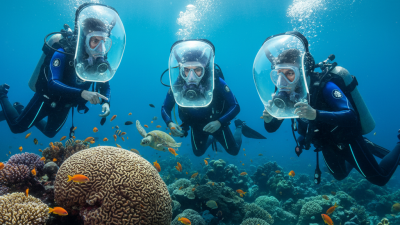
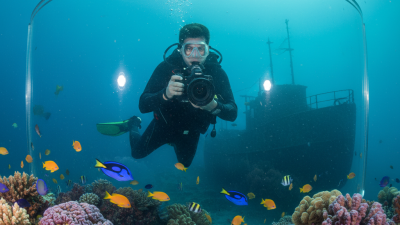
Exploring the underwater world can be a thrilling experience. The right equipment enhances this adventure. One indispensable tool is the Transparent Diving Screen. This gear provides a unique viewing experience. Imagine gliding through vibrant coral reefs. The clarity of the screen allows for stunning underwater photography. You can't help but feel connected to marine life.
However, not all Transparent Diving Screens are created equal. Some may fog up or scratch easily. Choosing the right one requires careful consideration. Take note of the design and durability. Think about how the screen enhances visibility in various conditions. This decision can make or break your adventure.
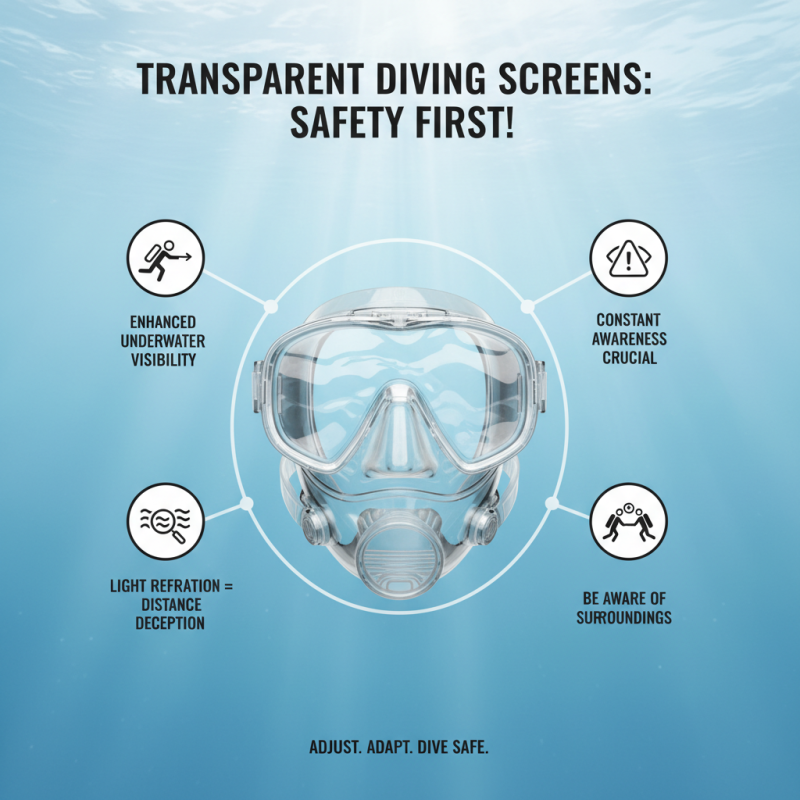
When preparing for your dive, consider your own comfort and skills too. Are you comfortable underwater? Do you have the right experience? Reflecting on these questions is crucial. A great Transparent Diving Screen can amplify your excitement, but safety should always come first. Prioritize your wellbeing while enjoying the splendor of the ocean.
Key Features to Look for in Transparent Diving Screens
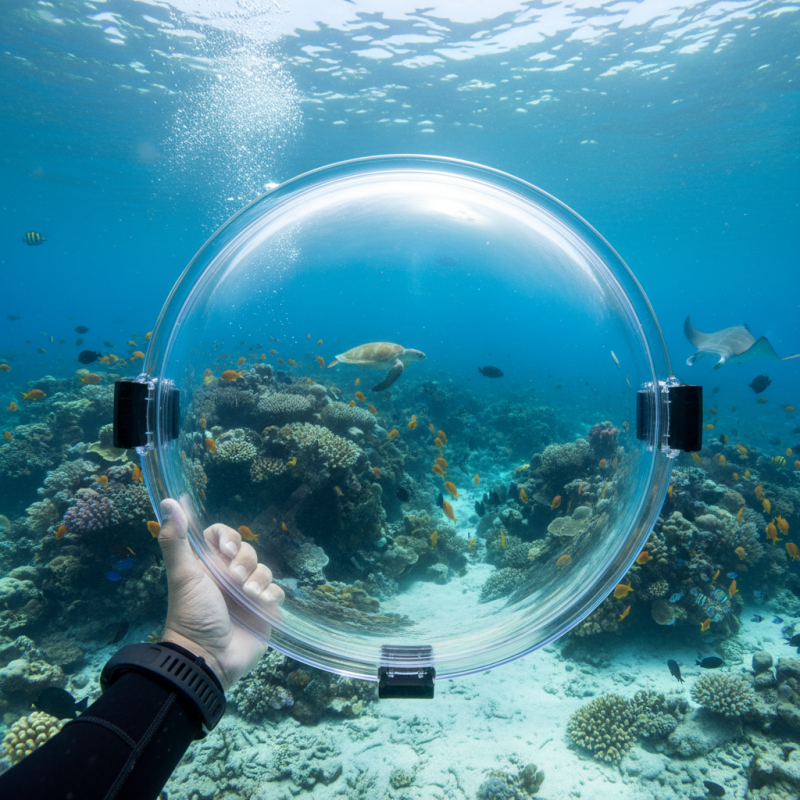
When selecting a transparent diving screen, consider visibility as a key feature. A good diving screen should provide a clear view of the underwater world. This enhances your adventure experience. Look for screens with anti-fog technology. Foggy views can ruin your trip. Also, ensure screens fit comfortably. An awkward fit can be distracting and uncomfortable.
Next, evaluate the material of the screen. Durable yet lightweight materials are ideal. They should withstand pressure and resist scratches. Many screens are made from polycarbonate or tempered glass. Find one that feels good in your hands. Comfort matters when you're underwater for long periods. A poorly designed screen may not be suitable for deeper dives.
Finally, check additional features. Some screens include built-in cameras. Others have adjustable straps for easy fitting. Think about your needs before diving in. Remember, the perfect screen exists but is often a personal choice. Balance between features and comfort. It’s okay to test several screens. Find what truly enhances your underwater adventures.
Types of Transparent Diving Screens for Various Environments
When exploring underwater environments, the type of transparent diving screen you choose greatly matters. Different screens cater to diverse adventures. For clear, still waters, a rigid screen provides an excellent field of view. It allows you to marvel at marine life without distractions.
In murky environments, flexible screens often adapt better. They can adjust to the surrounding water, making it easier to maneuver. This versatility can be crucial in unexpected conditions, allowing you to enjoy the experience even if visibility drops. Remember to maintain the flexibility of your gear; a stiff screen can hinder your movements.
**Tips**: Always check for scratches or cracks on your screen. Damage can impair visibility. Furthermore, before diving, practice using your screen in shallow waters. This familiarity builds confidence. Lastly, don't overlook weight; a heavy screen can be cumbersome during long dives.
Best Transparent Diving Screen for Underwater Adventures
| Diving Screen Type |
Material |
Optimal Depth |
Weight |
Price Range |
| Standard Acrylic |
Acrylic |
0-30 meters |
2 kg |
$50 - $100 |
| Polycarbonate |
Polycarbonate |
0-40 meters |
1.5 kg |
$75 - $150 |
| Glass Screen |
Tempered Glass |
0-50 meters |
3 kg |
$100 - $200 |
| Foldable Screen |
Flexible Material |
0-20 meters |
1 kg |
$30 - $80 |
| Backpackable Screen |
Lightweight Composite |
0-25 meters |
1.2 kg |
$60 - $120 |
Benefits of Using a Transparent Diving Screen for Underwater Activities
Using a transparent diving screen can enhance underwater adventures significantly. This innovative tool provides a unique viewing experience. Imagine swimming alongside vibrant fish while maintaining a clear line of sight. The transparency allows divers to enjoy the beauty of the underwater world without barriers.
A transparent diving screen offers several benefits for underwater activities. It protects against the elements while allowing ample light penetration. This feature enhances visibility and brings stunning colors to life. Divers can capture amazing photos without worrying about reflections or distortions. However, it can sometimes fog up, which may require regular maintenance. Keeping it clean and clear is essential for optimal use.
Moreover, a transparent diving screen can create a sense of safety. It allows divers to easily monitor their surroundings. This is crucial in deeper waters where visibility is limited. However, one must remember that it’s not a substitute for proper training and awareness. Relying too much on it might lead to overconfidence. Embracing the beauty of the underwater world is rewarding but requires caution.
Top Brands and Models of Transparent Diving Screens on the Market
When diving underwater, visibility is crucial. Transparent diving screens offer a unique way to experience marine life. These screens act as a barrier, allowing divers to interact with the ocean without fully submerging. For anyone seeking an immersive adventure, choosing the right screen is essential.
Several models stand out in the market. Some screens are made from high-quality acrylic. Others use tempered glass for better durability. Features like scratch resistance and anti-fog coatings can greatly enhance your experience. But not all screens are created equal. Some may be too bulky or heavy, making them challenging to manage. A streamlined design is key for comfort during a dive.
Customization is also a factor. Certain models allow adjustments for optimal visibility. However, complexity might lead to confusion for novice divers. The weight of the screen can affect mobility. A balance between size and autonomy is something every diver should consider. Exploring options is necessary to find the best fit for your underwater adventures.
Best Transparent Diving Screens for Underwater Adventures