Why You Should Consider a Car Mounted Transparent Screen for Your Vehicle?
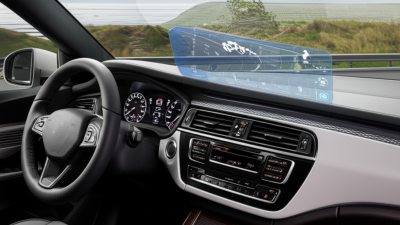
In today's fast-paced world, safety and convenience are paramount for drivers. The Car Mounted Transparent Screen is an innovative solution designed to enhance your driving experience. Imagine being able to access crucial information without taking your eyes off the road. This technology allows you to view navigation, notifications, and more, all while keeping focus on your surroundings.
Using a Car Mounted Transparent Screen can change the way you drive. It offers a clear display, blending seamlessly with your vehicle's design. You can see directions projected on the screen, making navigation easy and intuitive. However, some might find it distracting initially. Adjusting to this technology takes time and practice. It raises questions about how much information is displayed while driving. Finding the right balance is crucial for safety.
Investing in a Car Mounted Transparent Screen could make your journeys safer and more enjoyable. As with any technology, there are pros and cons. It's essential to reflect on how it impacts your driving habits. Does it truly enhance safety, or can it become a distraction? Exploring these questions is vital for making the best choice for your vehicle.
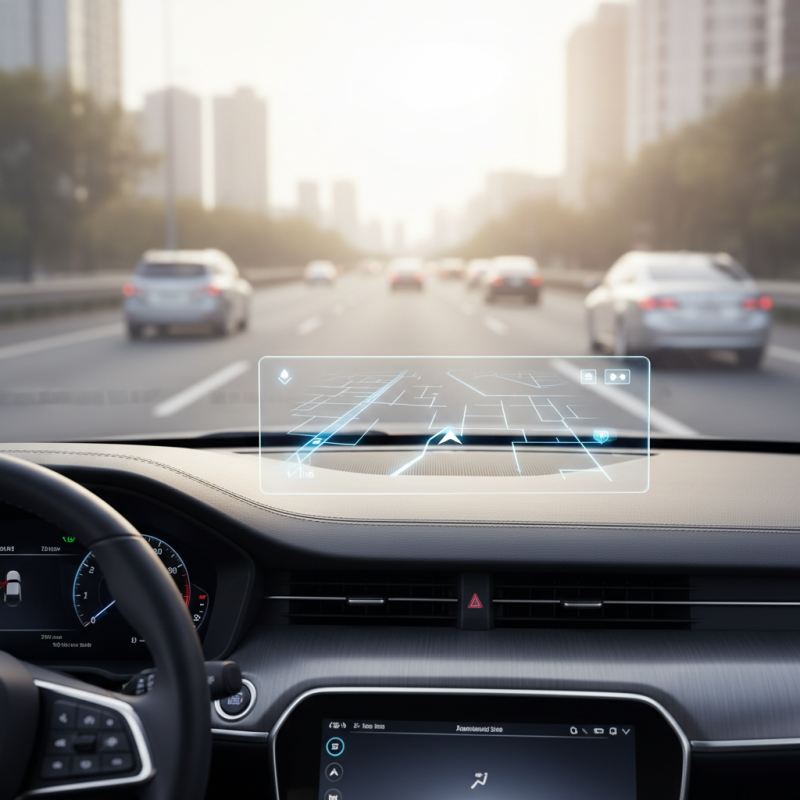
Benefits of Using a Car Mounted Transparent Screen for Navigation
Car mounted transparent screens are transforming the way we navigate on the road. These devices project important navigation information right into the driver's line of sight. As a result, drivers can stay focused and not get distracted by traditional dashboard screens. When using these screens, you maintain a better view of the road ahead. This reduces the risk of accidents caused by looking away for too long.
The benefits extend beyond safety. A transparent screen enhances convenience. Real-time directions overlay the actual road, allowing you to visualize your route clearly. The contextual information can also show nearby gas stations, restaurants, or traffic conditions. This added value creates a more harmonious driving experience. However, users need to adjust to new technology. Some might find it challenging at first.
In any case, these screens promote a more intuitive interface compared to conventional options. They can reduce the clutter of multiple devices. Still, integrating this technology into all vehicle types remains complex. Drivers should weigh these advantages against their own needs. A transparent screen could redefine what it means to navigate effectively, but it's not for everyone. Reflecting on personal usage will help determine if it’s the right fit.
Benefits of Using a Car Mounted Transparent Screen for Navigation
Enhancing Driver Safety with a Transparent Display
Increased road safety is vital for modern drivers. A car mounted transparent screen can play a significant role. This device displays crucial information without blocking the driver’s view. Speed, navigation, and alerts appear right in their line of sight. Such transparency helps maintain focus on the road ahead.
Many drivers struggle to balance technology with safety. Traditional screens can distract, pulling attention away from full awareness. A transparent display allows for real-time updates without the usual hazards. It minimizes the need to take eyes off the road. However, one must consider potential challenges. Drivers might rely too heavily on these features, creating a false sense of security. Regularly checking the road is still essential.
While the advantages are clear, adopting new technology requires thought. Adjusting to a transparent screen can take time. Not all drivers may feel comfortable initially. This shift demands a change in habits. Accurate and responsible use is crucial for maximizing benefits. Balance is key; technology should enhance, not replace good driving practices.
Comparison of Traditional Displays vs. Transparent Screens in Vehicles
The evolution of vehicle displays has brought forth an interesting comparison. Traditional displays typically use opaque screens, which can obstruct the driver’s view. These screens are usually positioned on the dashboard or windshield. Such setups may require drivers to take their eyes off the road, leading to potential distractions. Imagine looking down at a bright screen while other vehicles speed by. The need for focus and safety becomes paramount in these scenarios.
On the other hand, transparent screens are changing the game. These screens blend seamlessly with the environment. They project necessary information while maintaining visibility of the road ahead. When you glance at the transparent display, you can still see pedestrians or road signs clearly. This integration encourages a safer driving experience. However, it’s worth reflecting on the learning curve. Some drivers may initially struggle to adapt to this new technology. The benefits are clear, but the transition may present challenges for some. Balancing technology with safe driving practices remains a crucial conversation.
Technological Innovations Behind Car Mounted Transparent Screens
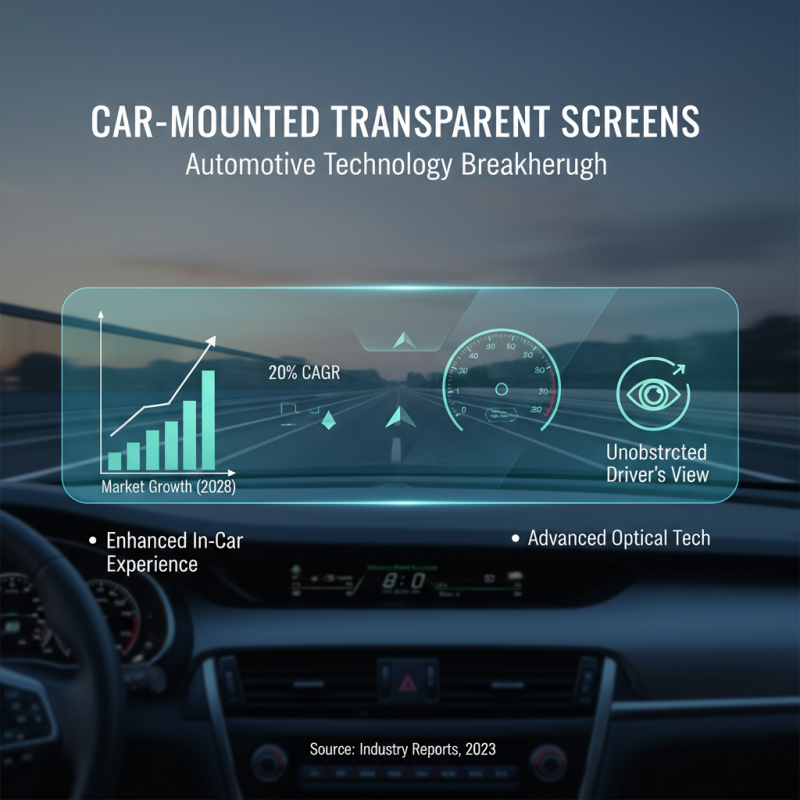
Car mounted transparent screens are becoming a game changer in automotive technology. These screens utilize advanced optical technologies to provide essential information without blocking the driver's view. According to recent industry reports, the market for such displays is projected to grow at a compound annual growth rate of 20% through 2028. This rapid growth highlights the increasing demand for enhanced in-car experiences.
One significant technological innovation is the use of augmented reality (AR) overlays. This allows drivers to visualize navigation, speed, and other critical data seamlessly on their windshield. Experts note that AR can significantly reduce distraction, as drivers can keep their gaze on the road. However, implementing this technology raises questions about its reliability under various weather conditions. Some prototypes have struggled with visibility during heavy rain or fog.
Additionally, there are concerns regarding user interface design and functionality. While transparency is beneficial, too much information displayed can overwhelm drivers. A balance must be found to ensure that these screens enhance safety rather than detract from it. Industry analysts emphasize the importance of user-focused development in realizing the full potential of car mounted transparent screens.
Installation and Maintenance Considerations for Transparent Screens
Installing a car mounted transparent screen can elevate your driving experience. However, installation requires careful consideration. Start by choosing the right location for easy visibility. Typically, the dashboard or windshield area works well. Ensure that the screen does not obstruct your view of the road. It's crucial for safety.
Regular maintenance is also important. Dust and dirt can accumulate on the screen, impairing visibility. Clean it regularly with a microfiber cloth. Be gentle to avoid scratches. Additionally, check the connections to ensure they are secure. This can prevent unexpected issues while driving.
**Tips:** Always consult a professional installer. They can assist with placing the screen correctly. Consider your vehicle's design to avoid compatibility issues. Test the screen's functionality after installation before hitting the road. Overall, transparency in functionality and maintenance is key.