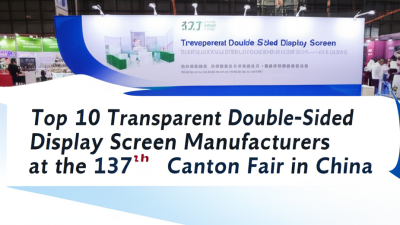
China Top Transparent Double Sided Display Screen Innovations and Applications?
In the realm of modern display technology, the Transparent Double Sided Display Screen has emerged as a groundbreaking innovation. As businesses strive for more engaging advertising and communication solutions, this technology offers unique advantages. Dr. Emily Zhou, a leading expert in display technologies, notes, “Transparent displays redefine how we interact with our surroundings." Her insight captures the essence of this transformative tool.
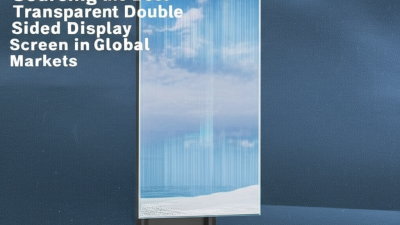
Transparent Double Sided Display Screens allow viewers to see through to the other side while simultaneously presenting vivid content. This capability opens avenues in retail, museums, and event venues. A user can interact with an engaging display while maintaining visibility of the space behind it. Innovative brands leverage this technology to blend advertising with the environment.
However, despite its potential, the industry faces challenges. The production costs can be high, and optimal transparency standards are not universally defined. Users often express confusion over how best to integrate these displays. As the market evolves, addressing these issues will be crucial for wider adoption. By embracing the potential of the Transparent Double Sided Display Screen, we can unlock new experiences and redefine visual communication.
Overview of Transparent Double-Sided Display Technology in China
Transparent double-sided display technology in China is transforming visual communication.
These screens offer a unique blend of practicality and innovation. They allow viewers to see images and videos from both sides,
making them versatile for advertising and information sharing. This technology sparks curiosity and engagement,
attracting a wider audience.
Installation in retail environments is becoming common. ⬅️
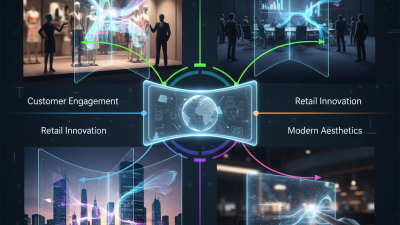
Transparent displays create immersive experiences, showcasing products while enhancing the ambiance.
For instance, a store might use these screens to display promotional content and product details simultaneously.
This innovative approach can also be deployed in museums and exhibitions, where transparency adds depth to storytelling.
Challenges remain in balancing image clarity with transparency.
The quality of the visuals can sometimes suffer due to the transparency feature.
Additionally, there are concerns about the high cost of these advanced screens,
which may limit their widespread adoption. Businesses must weigh the benefits against the investment.
Even so, transparent double-sided displays hold great potential for the future of visual technology in China.
Key Innovations in Double-Sided Display Screens and Their Features
Double-sided display screens have emerged as a pivotal innovation in visual technology. These screens feature transparent panels that allow for both sides to showcase content simultaneously. They offer unique opportunities for advertising and communication, especially in retail environments. The ability to see through the display adds a new dimension to the viewing experience. Interior designers and marketers see immense potential in using these screens for dynamic presentations.
One notable feature of these screens is their high brightness and clarity. This ensures visibility from various angles. Manufacturers focus on improving resolution and color accuracy, leading to realistic images. However, achieving uniform brightness across the display remains a challenge. Additionally, the need for effective content management systems is crucial. These systems can streamline operations and enhance user experience.
While innovations abound, the cost of double-sided displays can be prohibitive for small businesses. Continuous advancements are needed to make them more accessible. Exploring various applications in interactive environments can yield valuable insights. Ultimately, the journey of double-sided screen technology is still evolving and requires ongoing reflection and improvement.
Applications of Transparent Displays in Retail and Advertising Industries
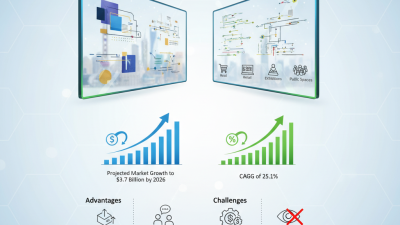
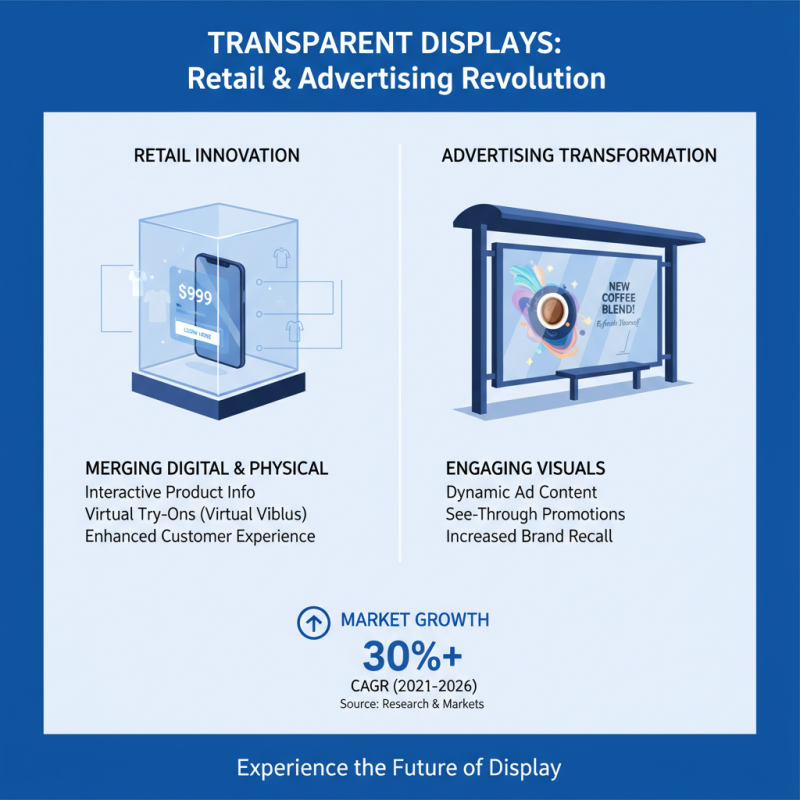
Transparent displays are transforming the retail and advertising landscape. According to a report by Research and Markets, the transparent display market is projected to grow at a CAGR of over 30% from 2021 to 2026. This explosive growth emphasizes the rising demand for innovative display solutions. Retailers are using these screens to merge digital content with physical products. Customers can view products through the screens while engaging with vibrant digital advertisements.
Incorporating transparent displays in store windows not only draws attention but also enhances brand storytelling. A McKinsey report highlights that over 70% of consumers prefer interactive displays over traditional advertising. This interaction encourages deeper engagement, leading to increased foot traffic. However, challenges do exist. Some consumers find these displays distracting rather than appealing. The balance between attraction and over-stimulation needs careful consideration.
Furthermore, while the technology appears promising, implementation can be costly. Many businesses struggle with high installation and maintenance expenses. Transparent displays require ongoing updates to keep content fresh and relevant. Retailers must weigh these costs against potential benefits. This ongoing evaluation underscores the importance of strategic planning in the adoption of transparent display technology.
Future Trends and Developments in Double-Sided Display Technologies
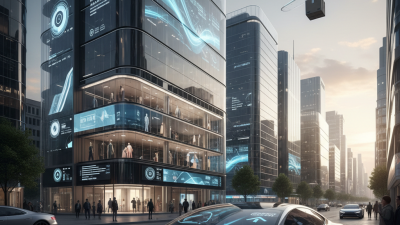
The evolution of double-sided display technologies is remarkable. These screens change how we communicate information. Their transparency allows for innovative advertising solutions. Imagine a glass building using these screens to display vibrant digital ads while maintaining visibility.
Future trends point towards enhanced interactivity. Users want more engagement with what they see. Incorporating touch capabilities could redefine how displays are used. However, there's a risk of overwhelming users with too much information. Striking a balance between engagement and simplicity is crucial.
Sustainability also plays a role in future developments. Manufacturers are exploring eco-friendly materials. This effort is essential as the industry focuses on reducing electronic waste. Yet, as technology advances, the challenge of efficient energy consumption remains. Developing energy-efficient screens is a priority that must not be overlooked.
Challenges and Limitations of Transparent Display Screen Implementation
Transparent display screens hold great potential, yet they face significant challenges. One major limitation is the visibility issue under bright lighting. These screens can struggle to show clear images outdoors or in well-lit environments. This can reduce their effectiveness in public spaces, where visibility is crucial.
Another challenge lies in the technology itself. Creating a true double-sided display that maintains image quality on both sides is complex. Current innovations often compromise resolution or color accuracy. This inconsistency can hinder user experience and discourage adoption. Moreover, the cost of production remains high, which affects market entry for many companies.
Careful consideration of these hurdles is essential. Solutions must focus on improving brightness and resolution. Addressing cost challenges will also be vital for broader acceptance. Innovations are needed to enhance clarity and balance the dual-display functionality. The path ahead is complex and requires collaborative effort from experts across various fields.
China Top Transparent Double Sided Display Screen Innovations and Applications
| Dimension |
Description |
Challenges |
Applications |
| Transparency Level |
The degree to which the display can show content while still allowing light to pass through. |
Maintaining clarity and visibility in various lighting conditions. |
Retail advertising, architectural applications. |
| Dual-Sided Functionality |
Ability to display different content from either side. |
Complex content management systems and synchronization challenges. |
Public transport, exhibitions. |
| Installation Flexibility |
Versatile options for mounting and integrating into environments. |
Structural integrity and weight limitations. |
Smart cities, artistic installations. |
| Energy Efficiency |
Consumption levels compared to conventional displays. |
Balancing brightness and energy usage. |
Energy-efficient advertising, indoor displays. |
| User Interface |
Interactivity level and user engagement potential. |
Creating intuitive interfaces that engage users. |
Interactive kiosks, information points. |