China Top Flexible Transparent LED Film Screen Solutions?
In the realm of innovative display technology, the "Flexible Transparent LED Film Screen" stands out as a game-changer. According to Dr. Li Wei, a prominent expert in digital display systems, "The future of advertising lies in our ability to create immersive visual experiences." This sentiment captures the growing demand for screens that offer both flexibility and clarity.
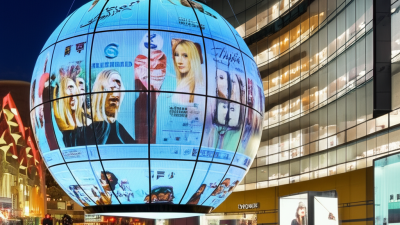
As businesses seek novel ways to engage customers, the Flexible Transparent LED Film Screen provides a unique solution. These screens can be integrated into windows and storefronts, merging advertisements with the architectural design. This versatility is appealing to a wide array of industries, from retail to entertainment.
However, despite their advantages, concerns about durability and cost remain. Critics argue that while the technology is promising, it is not yet a universal solution. As manufacturers attempt to balance innovation with practicality, the quest for a perfect product continues. The journey toward optimal performance in Flexible Transparent LED Film Screens is ongoing, revealing both potential and challenges.
China's Leading Manufacturers of Flexible Transparent LED Film Screens
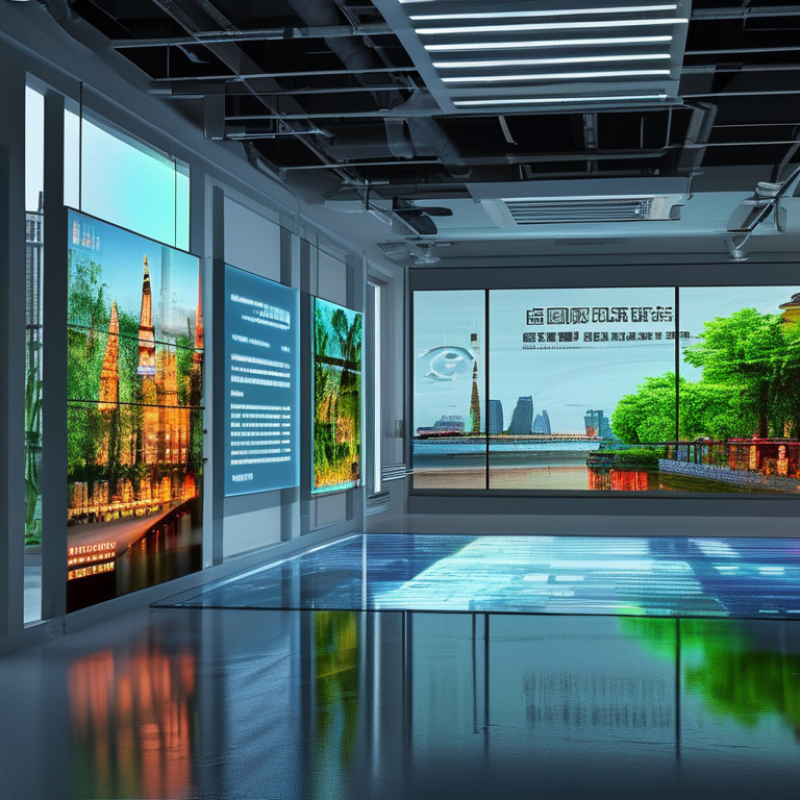
China has emerged as a leader in flexible transparent LED film screen technology. These innovative screens allow for stunning visuals while maintaining transparency. They can be integrated into various settings, from retail spaces to public displays. The ability to create captivating advertisements or immersive experiences has transformed engagement in many industries.
Leading manufacturers in China focus on advanced research and development. Their expertise in materials and design contributes to the effectiveness of these screens. Users often seek high brightness and durability. However, achieving the perfect blend of clarity and flexibility remains a challenge. Some screens may struggle in bright sunlight, impacting visibility.
These manufacturers prioritize quality and reliability but still face criticism. Some users report issues with installation and service support. While flexibility is a standout feature, there’s room for improvement. Developers work to enhance user experience and address these concerns. Continuous innovation is vital to maintain leadership in this evolving market.
Market Growth Trends for China’s Flexible Transparent LED Screen Industry
The growth of the flexible transparent LED screen industry in China is notable. This technology allows for innovative designs in advertising and retail space. The market is expanding rapidly as businesses seek creative ways to engage customers. Applications range from shop windows to large display walls, blending technology with aesthetics.
Current trends indicate a surge in investment. Many companies are exploring new manufacturing techniques to improve efficiency. However, challenges persist. Issues like high production costs and limited consumer awareness often hinder growth. Educating potential customers about the benefits of these displays can drive demand.
In recent years, sustainability has become a focal point. Companies are looking at eco-friendly materials and practices. Yet, the industry must also address durability concerns. Flexible screens need to withstand different environments while maintaining performance. Continuous research and development are critical for overcoming these obstacles and capitalizing on market potential.
Technical Innovations in Flexible Transparent LED Film Technology
The emergence of flexible transparent LED film technology marks a significant innovation in display solutions. These screens are lightweight and adaptable, making them suitable for various applications. Their design allows for seamless integration into different environments, offering a unique visual experience. Imagine a bustling retail space where products are beautifully showcased through a transparent display. However, the implementation of this technology also presents challenges.
While the stunning visuals are impressive, the durability of the films can be a concern. Many early iterations lacked resilience against environmental factors. Rigorous testing is essential to ensure they withstand conditions like humidity and temperature changes. Moreover, the efficiency of energy consumption is a crucial aspect. Although these films can enhance user engagement, their operational cost must be evaluated. Are they economically feasible for widespread use?
As professionals explore further innovations in this field, additional aspects need attention. Enhanced color accuracy and resolution are critical to meet consumer expectations. The technology must continue to evolve to address limitations while maintaining the high standards required in diverse industries. Flexibility in design is a strong advantage, but how can developers balance this with performance reliability? These are questions that will shape the future of flexible transparent LED screens.
China Top Flexible Transparent LED Film Screen Solutions
| Dimension |
Specification |
Performance |
Applications |
| Thickness |
0.3 mm |
High Transparency (85%) |
Retail Displays |
| Weight |
1.2 kg/m² |
Energy Efficient |
Window Displays |
| Flexibility |
Curved and Bendable |
Vivid Color Saturation |
Event Stages |
| Resolution |
1920 x 1080 |
High Refresh Rate (60Hz) |
Advertising |
| Lifespan |
50,000 hours |
Weather Resistant |
Public Transport |
Applications and Use Cases of Flexible Transparent LED Film in China
In China, flexible transparent LED film screens are gaining traction in various applications. Retail environments leverage this technology to create captivating displays. Stores use these screens for advertising on windows without obstructing views. Reports indicate that the retail market for transparent LED screens could reach USD 1.5 billion by 2025.
Events and exhibitions utilize flexible transparent LED screens to enhance visual experiences. These screens can wrap around structures, providing a 360-degree view. A recent survey showed that 70% of event organizers prefer transparent displays for their versatility and aesthetic appeal. The immersive nature of these screens engages customers effectively.
Tip: Consider the placement of your transparent LED screens. Positioning them near high-traffic areas can enhance visibility and engagement.
As the technology evolves, challenges remain. Durability and brightness under various lighting conditions are crucial considerations. Adapting to local climates and ensuring longevity could become significant obstacles. With ongoing innovation, flexible transparent LED screens can transform spaces profoundly, but careful implementation is key.
Tip: Always test your screens in real-world conditions before full deployment. This provides insights into performance and potential adjustments needed.
Comparative Analysis of Costs: Flexible Transparent LED Screens vs. Traditional Displays
Flexible transparent LED screens are gaining popularity in various sectors. Their unique ability to maintain visibility while displaying vibrant images can transform spaces. A recent industry report shows that the market for these screens is expected to grow at a compound annual growth rate (CAGR) of 25% over the next five years. This growth highlights the increasing interest in innovative display technology.
However, costs remain a critical factor for many businesses. Traditional displays often have a lower initial investment but can incur higher maintenance expenses over time. For instance, flexible transparent LED screens might have a higher upfront cost, with estimates ranging from $1,500 to $3,000 per square meter. In contrast, conventional LCD screens can range from $800 to $1,200 per square meter. Understanding these cost dynamics is essential for making informed investment decisions.
Despite the potential benefits, there are challenges. Questions about image clarity in bright sunlight and durability in various environments linger. Reports suggest that while these LED screens are robust, they may require specific installation conditions to function optimally. As the technology matures, these concerns may be addressed, making high-quality displays more accessible across different industries.