Leave Your Message

China Top Car Mounted Transparent Screen Manufacturer?

Choosing a China Top Car Mounted Transparent Screen Manufacturer requires more than comparing prices and product photos. It demands practical evaluation of optical performance, installation quality, production control, and after-sales support. A reliable supplier should explain its display technology clearly, including transparency, brightness, viewing angle, heat resistance, and power requirements. These details affect performance during bright daytime driving and low-light conditions.

A professional manufacturer should provide samples, technical drawings, testing records, and installation guidance before mass production. Look for experience with vehicle environments, vibration protection, cable management, and secure mounting structures. The Car Mounted Transparent Screen must not obstruct the driver’s view or interfere with essential controls. Compliance with applicable vehicle safety, electromagnetic compatibility, and regional requirements should remain part of the purchasing discussion.

Real evaluation takes time.

Factory visits, video inspections, and independent sample testing can reveal differences hidden in brochures. Ask how the company handles dead pixels, adhesive failure, temperature changes, and warranty claims. Some suppliers appear strong online but offer limited engineering support after delivery. That risk deserves attention. Even an experienced buyer can overlook installation conditions or user visibility preferences. Therefore, this guide examines manufacturers through evidence rather than marketing language, helping readers compare capabilities with greater confidence. The strongest supplier may not be the cheapest or the most famous. It should be the partner that communicates honestly, documents its process, and improves the product when early testing exposes weaknesses.
China Top Car Mounted Transparent Screen Manufacturer?

What Is a Car-Mounted Transparent Screen?

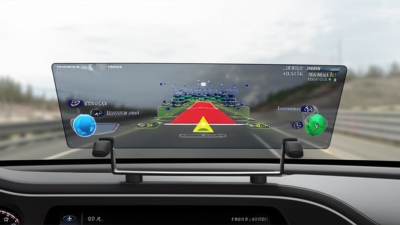
A car-mounted transparent screen is a display designed to show information while allowing light and background objects to remain visible. It usually uses transparent LED, OLED, or projection-based technology. Unlike a conventional monitor, it does not create a solid visual barrier across the window or windshield.

The screen can display route guidance, vehicle status, advertising content, or emergency messages. Its value depends on brightness, contrast, viewing angle, and surface quality. In daylight, weak brightness makes images disappear. At night, excessive brightness may distract drivers. Careful calibration matters.

Installation also requires more than attaching a panel. Engineers must check vibration, heat, rain exposure, wiring, and power consumption. The mounting position should preserve the driver’s clear field of view. Local vehicle and road-safety rules must guide the final design.

The concept sounds simple.

From a manufacturing perspective, transparent screens need consistent pixels, reliable sealing, and stable connections. Small defects can become obvious against bright skies or dark roads. Quality inspection should include long operating periods, temperature changes, and repeated vehicle movement.

I would not treat transparency as automatic safety. Reflections, glare, and delayed content can still cause problems. A dependable product needs realistic road testing, clear operating limits, and maintenance instructions that ordinary users can understand.

How Do Car-Mounted Transparent Screens Work?

How Do Car-Mounted Transparent Screens Work?

A car-mounted transparent screen usually uses a fine LED mesh or transparent display film. Tiny light-emitting units form images while leaving part of the glass visible. When powered, the screen controller receives video from a media player or vehicle system. It then adjusts each pixel’s brightness and color. Dark areas often remain visually open, while bright areas appear clearly on the window.

The display needs more than a panel. A practical installation includes a control box, power converter, protective housing, and secure mounting brackets. Light sensors can reduce brightness at night and improve readability during daylight. Some systems also monitor temperature and voltage. Weather sealing matters because rain, dust, vibration, and car washing can damage exposed electronics. The viewing angle changes with distance, glass tint, and sunlight.

The technology is not flawless. A screen may look sharp in a workshop but appear faint under direct summer sun. Reflections can also distract drivers or reduce rear visibility. For this reason, qualified technicians should check the vehicle structure, electrical load, and local road regulations before installation. Content should remain visible without blocking required lamps, number plates, or safety windows. A reliable manufacturer should provide test data, installation instructions, and maintenance guidance, not only attractive product images. Even careful designs need review after real driving, because vibration and changing weather reveal problems that indoor testing can miss.

What Features Define a Leading Chinese Manufacturer?

China Top Car Mounted Transparent Screen Manufacturer?

A leading Chinese manufacturer combines optical engineering with practical vehicle experience. The screen should remain clear in bright sunlight, rain, and dim parking areas. High transmittance matters, but so do contrast, color stability, and viewing angles. A strong supplier tests panels under heat, vibration, dust, and repeated temperature changes. Engineers should also explain mounting limits, power needs, and display lifespan in plain language. Factory visits, sample reviews, and traceable inspection records can reveal more than polished brochures. No supplier gets every batch perfect. What matters is how quickly problems are found and corrected.

Reliable production depends on disciplined quality control. Look for incoming material checks, assembly testing, brightness measurement, and aging tests before shipment. A capable team should support customized sizes, vehicle interfaces, protective layers, and installation guidance without making unrealistic promises. Experience is visible in details, such as stable connectors, clean cable routing, and mounts that resist road vibration. Independent testing and documented quality systems add authority. Still, one successful sample proves little. A small pilot order is wiser than trusting impressive claims.

How Are These Screens Designed, Tested, and Installed?

China Top Car Mounted Transparent Screen Manufacturer?

A reliable car-mounted transparent screen begins with the vehicle, not the display. Engineers measure roof curves, mounting points, cable routes, and available power. They select lightweight panels with clear gaps between LED units. This helps preserve airflow and reduces visual blockage. Polycarbonate covers, sealed connectors, and reinforced brackets support outdoor use. Small details matter.

Testing should imitate real driving conditions. Technicians check brightness in direct sunlight, night glare, temperature changes, rain, vibration, and repeated braking. They also inspect power stability during engine startup. A screen may pass a workshop test and still loosen on rough roads. That uncomfortable possibility deserves attention. Load testing should examine wind pressure and bracket fatigue over time. Independent inspection records make the manufacturer’s claims more trustworthy.

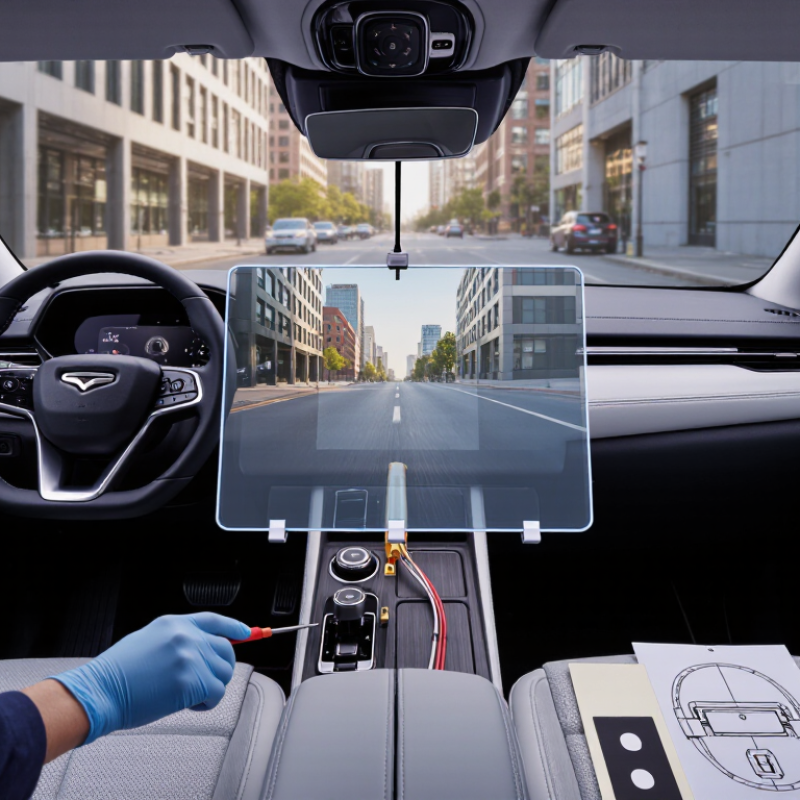
Installation requires careful alignment and controlled wiring. Installers should protect painted surfaces, secure every cable, and leave access for maintenance. The display must not block the driver’s view, lamps, plates, or safety equipment. Local vehicle and road-use requirements also need verification before operation. After installation, technicians test brightness, communication, emergency shutdown, and waterproofing again. The best supplier provides drawings, test reports, installation guidance, and replacement procedures. Even then, field feedback remains valuable. Real roads reveal problems that polished factory demonstrations sometimes miss.

Which Industries Use Car-Mounted Transparent Screens?

China Top Car Mounted Transparent Screen Manufacturer?

Car-mounted transparent screens serve several industries with strong outdoor communication needs. Advertising agencies use them for moving campaigns near shopping districts, exhibitions, and sports venues. The screen keeps the vehicle visible while displaying bright, readable messages. Retail businesses can promote seasonal offers during local events and peak shopping hours.

Tourism companies use these screens for route information, attraction schedules, and multilingual notices. Real estate teams may display property images while visiting developing neighborhoods. Event organizers also use mobile screens near entrances, parking areas, and temporary venues. Public service groups can share approved traffic updates or emergency guidance, but every message requires proper authorization. The viewing angle matters. Poor installation may create glare, unreadable text, or distracting reflections.

Tips: Choose high-contrast content, large lettering, and short messages. Test visibility in direct sunlight and evening conditions. Secure the display firmly before every trip. Check local road, advertising, and privacy requirements. Do not show private personal data.

Transparent screens are not perfect. Rain, dust, vibration, and changing light can reduce performance. From practical installation experience, content often fails before the hardware does. Long sentences become difficult to read from a distance. Regular inspections, brightness adjustments, and driver feedback improve reliability. Industry users should measure audience response instead of assuming visibility means effectiveness.