How to Choose and Install a Transparent Spherical Screen for Your Space
As the demand for immersive visual experiences continues to rise, the use of transparent spherical screens has emerged as a cutting-edge solution for both commercial and residential spaces. According to a recent market research report, the global market for transparent displays is projected to reach $3.9 billion by 2025, with a significant portion attributed to innovations in screen technology such as Transparentsphericalscreen. This type of display not only enhances the aesthetic appeal of any environment but also adds a layer of interactivity that traditional screens cannot offer.
The unique design and functionality of the Transparentsphericalscreen enable it to blend seamlessly into various settings, from retail spaces to art galleries, providing a captivating way to engage audiences. With the capability of showcasing high-definition content while maintaining visibility through the screen, these installations lead to a more dynamic interaction between viewers and their surroundings. As architectural designs evolve to incorporate more transparent technologies, understanding how to choose and install these screens effectively becomes essential for maximizing their impact and functionality.
By assessing factors such as size, resolution, and installation requirements, individuals and businesses can ensure that their chosen transparent spherical screens meet their specific needs while enhancing the overall user experience. The trend towards transparent technology is not just a fleeting phase; it is a testament to the growing integration of digital and physical environments, paving the way for a new era of visual communication.

Understanding Transparent Spherical Screens and Their Benefits
Transparent spherical screens have emerged as a groundbreaking technology in the display and advertising sectors, offering unique benefits that cater to a variety of applications. These innovative screens provide a versatile combination of transparency and vibrant visuals, making them ideal for environments where space is limited but high-impact presentations are necessary. According to a recent industry report by MarketsandMarkets, the transparent display market is projected to reach USD 3.3 billion by 2024, growing at a CAGR of 27.7%. This growth is driven by increased demand from sectors such as retail, entertainment, and corporate installations looking to enhance customer engagement while preserving an open and airy atmosphere.
The primary advantage of transparent spherical screens lies in their ability to seamlessly blend digital content with the environment. This characteristic allows businesses to create immersive experiences by overlaying information on physical objects, effectively captivating their audience's attention without completely obstructing views. Furthermore, these screens can be used for interactive installations, allowing users to engage directly with the displayed content, thus creating memorable brand interactions. The dual use of these screens not only enhances aesthetic appeal but also increases functionality, making them an advantageous choice for forward-thinking organizations aiming to leverage cutting-edge technology in their spaces.
How to Choose and Install a Transparent Spherical Screen for Your Space
| Dimension |
Value |
Benefit |
| Diameter |
2m - 10m |
Versatile size options for various spaces |
| Resolution |
1920 x 1080 to 8K |
Enhanced visual experience with high clarity |
| Weight |
20 kg - 200 kg |
Easier installation options depending on support |
| Material |
Acrylic, Polycarbonate |
Durable and lightweight for long-term use |
| Viewing Angle |
180 degrees |
Allows for immersive viewing from multiple positions |
Factors to Consider When Choosing a Transparent Spherical Screen
When selecting a transparent spherical screen, there are several key factors to consider to ensure the screen meets your specific needs. First, the screen’s size and curvature should be tailored to the space in which it will be installed. Larger screens may enhance the immersive experience, but they must fit well within the dimensions of the room, ensuring that viewing angles remain optimal. Furthermore, consider the distance from which the screen will be viewed; this can significantly affect the size and resolution required for the best visual experience.
Another critical aspect is the screen's transparency level and material quality. Different environments may require varying degrees of transparency, impacting light transmission and visibility. High-quality materials can improve image clarity and durability while reducing glare, which is essential for environments with varying lighting conditions. Additionally, evaluate the screen's compatibility with existing technology, such as projectors or digital displays, to ensure seamless integration into your setup. Taking these elements into account will help you select a transparent spherical screen that not only enhances your space aesthetically but also elevates the viewing experience.
Step-by-Step Guide to Measuring Your Space for Installation
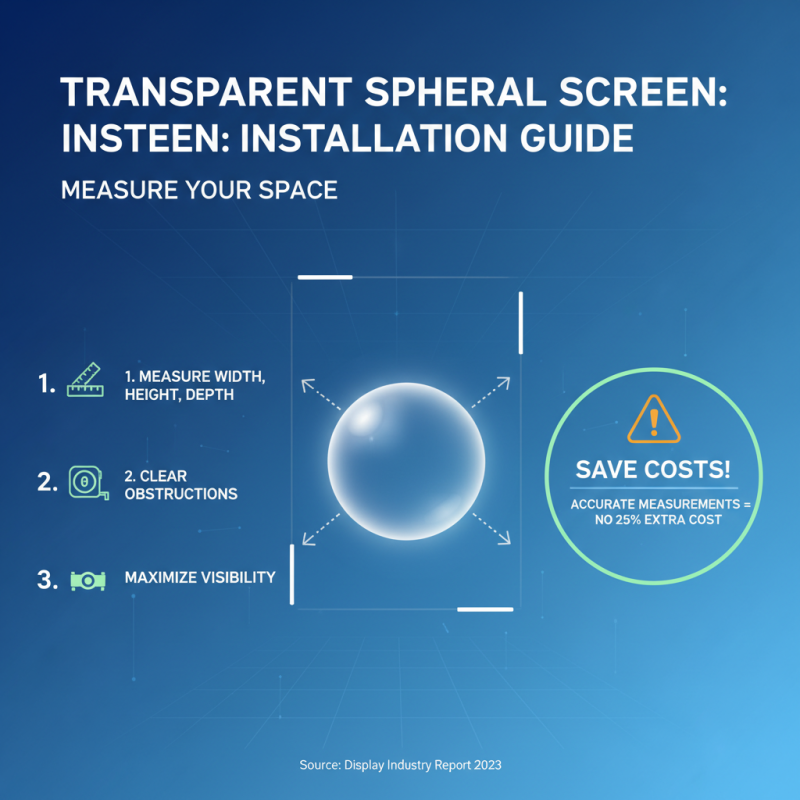
When considering the installation of a transparent spherical screen, proper measurement of your space is crucial to ensure compatibility and aesthetics. Start by measuring the width, height, and depth of the area where the screen will be installed. According to the Display Industry Report 2023, a misleading measurement can result in up to a 25% increase in installation costs due to additional adjustments or material wastage. Aim for a free wall space clear of obstructions to maximize visibility and projector performance.
Tip: Use laser measuring tools for greater accuracy. Unlike traditional measuring tapes, laser tools can provide precise measurements and eliminate the possibility of human error, especially in complex areas. Additionally, consider the viewing distance; a general recommendation is to position the screen at least 1.5 times its diagonal size away from the audience for optimal visual experience.
Next, assess the ceiling height and surrounding elements. The transparent spherical screen may need to be mounted at a specific height to avoid reflections and shadows, which may distort the viewing experience. According to industry standards, placing the screen approximately 6-8 feet above the floor typically yields the best results. Be mindful of lighting conditions as well; ambient light can significantly affect screen performance, so plan accordingly to ensure your space is adequately prepared.
Tip: Create a mock-up of the screen using cardboard cutouts to visualize its placement before installation. This can help you identify any potential problems with space or viewing angles and refine your measurements for the actual installation.
Best Practices for Installing a Transparent Spherical Screen
When installing a transparent spherical screen, careful consideration of location and environment is crucial for optimal performance. Selecting a space with minimal ambient light and potential obstructions will enhance the screen's visual clarity. For indoor settings, positioning the screen away from direct sunlight ensures that the images remain vibrant and undistorted. Additionally, make sure the area has sufficient distance from walls and other structures that could interfere with the screen's projection or viewing angle.
The installation process should be conducted with precision to maximize functionality. Begin by securing the necessary mounting hardware that can support the screen’s weight and dimensions. For best results, utilize a professional installation team if you are unfamiliar with the mounting process. Ensuring proper alignment is essential; the screen must be installed at an optimal height and angle to provide an immersive viewing experience. Regular maintenance checks, including cleaning the screen surface and inspecting connections, will keep the technology performing at its best while extending its lifespan.
Tips for Maintaining and Caring for Your Transparent Spherical Screen
Maintaining a transparent spherical screen involves several key practices that ensure longevity and optimal performance. According to a recent industry report by the Professional AV Alliance, the most significant factor in screen maintenance is regular cleaning. For transparent screens, dust and fingerprints can obscure visibility and detract from the viewer experience. It is recommended to use microfiber cloths and specialized cleaning solutions that are pH balanced to avoid damaging the screen's coating, as harsh chemicals can lead to discoloration or degradation over time.
In addition to cleaning, proper environmental control is essential for preserving the integrity of your screen. The ideal conditions include a stable temperature range of 20-24°C and humidity levels around 50%. Fluctuations in these parameters can lead to warping or other physical distortions, compromising the quality of the projection. The Transparent Display Market is expected to grow significantly, with projections indicating a compound annual growth rate (CAGR) of about 39% through 2027, highlighting the importance of maintenance in preserving such valuable investments for various applications, from retail environments to exhibitions.
Lastly, be mindful of the positioning of the screen. Ensuring that it is not exposed to direct sunlight for prolonged periods can prevent unwanted glare and fading. If the screen is in a high-traffic area, regular inspections for scratches or damages are crucial. The same report emphasizes that addressing maintenance issues promptly can enhance the screen’s performance lifespan by up to 25%, ensuring your investment not only looks stunning but also functions effectively over the years.