How to Choose the Best Flexible LED Film Screen for Your Event Needs
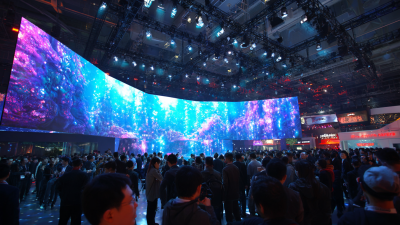
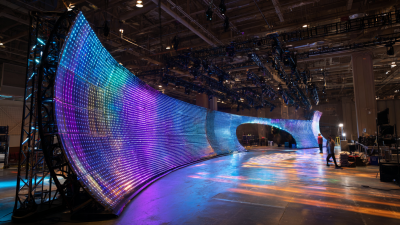
The rise of visual technologies in event planning has been unprecedented, with the global LED screen market projected to reach approximately $25 billion by 2025, according to industry reports. A significant segment of this market is occupied by the Flexible LED Film Screen, which offers unmatched versatility and creativity for event organizers. These innovative screens can be easily adapted to different shapes and sizes, thus enhancing the overall aesthetic appeal of various venues—from corporate conferences to outdoor festivals.
As events continue to demand more immersive and engaging experiences, the adoption of Flexible LED Film Screens is expected to increase. Studies show that events utilizing advanced visual technologies can improve audience engagement by up to 75%, making the selection of the right display solution critical. With an array of options available, understanding the unique features and benefits of Flexible LED Film Screens is essential to meet diverse event needs. This guide aims to navigate the complexities of choosing the best Flexible LED Film Screen, ensuring that your event not only meets expectations but exceeds them in delivering a memorable experience.

Understanding Flexible LED Film Screens and Their Benefits
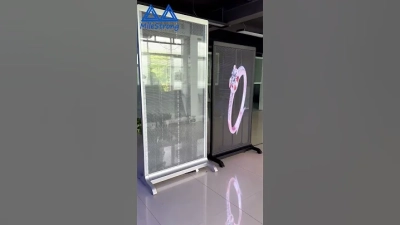
Flexible LED film screens are becoming increasingly popular for various events due to their innovative design and adaptability. These screens are ultra-thin, lightweight, and can be shaped to fit any environment, making them an ideal choice for exhibitions, concerts, and corporate functions. According to a recent industry report, the global market for flexible LED displays is expected to grow at a CAGR of 16.5% from 2023 to 2028, highlighting their rising demand and versatility.
One of the standout benefits of flexible LED film screens is their ability to deliver high-quality visual experiences, even in unconventional settings. The flexibility in design allows for creative installations that engage audiences in a way traditional screens cannot replicate. Additionally, these screens offer excellent brightness and color accuracy, with some models achieving peak brightness levels exceeding 5,000 nits, according to market analysis. This ensures visibility in various lighting conditions, from outdoor festivals to indoor conferences.
Tips: When selecting a flexible LED film screen, consider the resolution you need. Higher resolution options provide sharper images, which is crucial for events with high visual demands. Furthermore, assess the screen's adaptability to various shapes and configurations to match your event's theme. Finally, check the durability of the materials used, as higher-quality screens are better suited to withstand different environmental factors.
Key Factors to Consider When Choosing a Flexible LED Film Screen
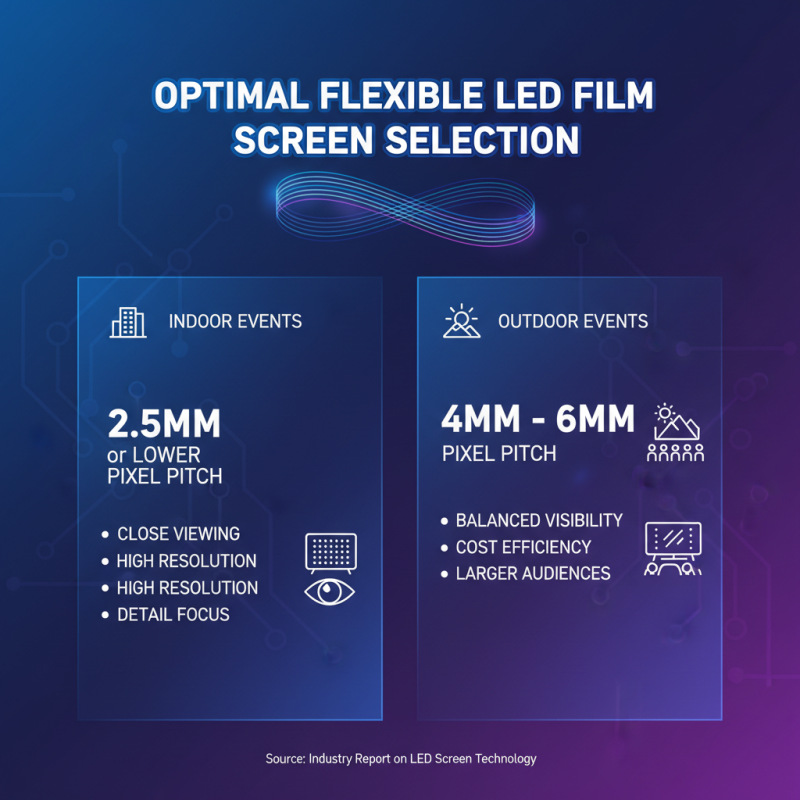
When selecting a flexible LED film screen for your event, several key factors must be taken into account to ensure optimal performance and audience engagement. One of the most critical aspects is the screen’s resolution and pixel pitch. According to a recent industry report, screens with a pixel pitch of 2.5mm or lower are ideal for close viewing distances, often required in indoor settings. In contrast, outdoor applications might be better suited with a pixel pitch of around 4mm to 6mm, balancing visibility with cost efficiency.
Another important consideration is the screen's brightness and contrast ratio. Events held in varying lighting conditions require adaptable screens; therefore, a brightness rating of at least 5000 nits is generally recommended for outdoor events, as highlighted by a study from the Digital Signage Federation. Furthermore, durability and flexibility are essential for event logistics. Many flexible LED film screens are designed to withstand transport stress and environmental factors, proving ideal for events that involve moving the setup frequently. Assessing the weight and ease of installation will also play a significant role in your decision-making process, ensuring that setup and teardown can proceed smoothly without excessive labor.
Evaluating Different Types of Flexible LED Film Screens Available
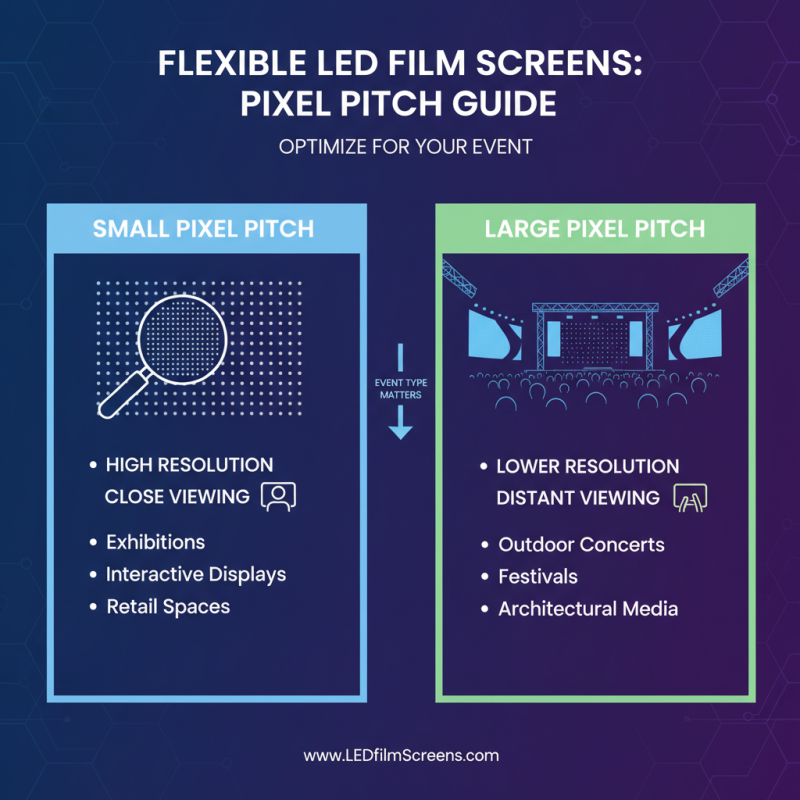
When evaluating different types of flexible LED film screens, it's crucial to consider the specific requirements of your event. One of the primary factors is the pixel pitch, which influences the resolution and image clarity. A smaller pixel pitch provides higher resolution, making it suitable for events where close viewing is expected, such as exhibitions or interactive displays. Conversely, a larger pixel pitch may suffice for events viewed from a distance, such as outdoor concerts or festivals.
Another important aspect is the screen's adaptability to various environments. Look for screens that offer high flexibility in terms of shape and size, enabling you to create unique configurations that fit your venue perfectly. Additionally, consider the brightness and contrast ratio; these factors determine how well the screen performs under different lighting conditions. Choosing a screen with adjustable brightness and excellent color reproduction will ensure your visuals stand out, regardless of the ambiance.
Comparing Costs and Budgeting for Your Event Needs
When planning an event, budgeting for a flexible LED film screen is crucial to ensure that you meet both aesthetic and functional needs while keeping costs manageable.
According to a report by the International Association of Venue Managers, the cost of LED displays can range from $10 to $30 per square foot, significantly impacting your overall budget.
Event planners must consider not just the initial rental or purchase price but also installation, manipulation, and maintenance costs, which can add another
25-30% to the total expenditure.
Moreover, it's essential to evaluate the specific requirements of your event to determine the best screen size, resolution, and additional features.
A study by Events Industry Council indicates that 45% of event budgets are allocated to audiovisual and technology needs.
This percentage underscores the importance of meticulous budgeting, as underestimating these costs can result in a shortfall that compromises the event's quality.
Using interactive calculators or consulting with AV specialists can provide more tailored estimations based on the projected audience size and venue specifications,
leading to a more effective allocation of funds and a successful event experience.
Best Practices for Setting Up and Using Flexible LED Film Screens
When setting up a flexible LED film screen for your event, one of the best practices is to ensure you have a clear understanding of your venue's layout. Start by assessing the space where the screen will be displayed, taking into account factors such as audience size, viewing distances, and lighting conditions. This helps determine the optimal placement and size of the screen. Avoid placing the screen in areas where direct sunlight or other bright lights can wash out the image, as this can diminish visibility for your audience.
Another important consideration is the technical setup of the flexible LED film screen. Make sure to check the equipment for compatibility with your video sources, whether it's a laptop, media player, or live feed. Additionally, testing the connections and video quality prior to the event is crucial; any technical glitches could disrupt the flow of your program. Pay attention to the power supply as well, ensuring that it meets the screen's requirements and is safely managed to prevent any hazards. Creating a seamless setup not only enhances the viewer's experience but also ensures that your event runs smoothly.
How to Choose the Best Flexible LED Film Screen for Your Event Needs - Best Practices for Setting Up and Using Flexible LED Film Screens
| Feature |
Description |
Best Practice |
| Resolution |
Higher resolution offers clearer images. |
Choose a screen with resolution matching your event's visual requirements. |
| Brightness |
Measured in nits, higher brightness is better for outdoor events. |
Opt for a brightness level suitable for your venue's lighting conditions. |
| Flexibility |
Screen should easily conform to various shapes and surfaces. |
Assess design needs and ensure that the screen can adapt accordingly. |
| Setup Ease |
Speed and simplicity of installation and disassembly. |
Prioritize models known for their user-friendly setup process. |
| Cost |
Budget impact and value for features offered. |
Evaluate total cost of ownership beyond initial purchase price. |
| Durability |
Ability to withstand various environments. |
Invest in screens designed for the specific conditions of your events. |