How to Choose the Best Transparent Underwater Screen for Your Aquarium
When setting up an aquarium, one often overlooks the importance of a Transparent Underwater Screen, which can significantly enhance the overall aquatic environment. As Dr. Emily Lin, a renowned aquatic engineer, points out, “A well-chosen transparent underwater screen not only beautifies the tank but also provides essential visibility for both fish and viewers.” This statement underscores the necessity of making an informed choice when selecting a screen that seamlessly integrates with the natural habitat of the aquatic life.
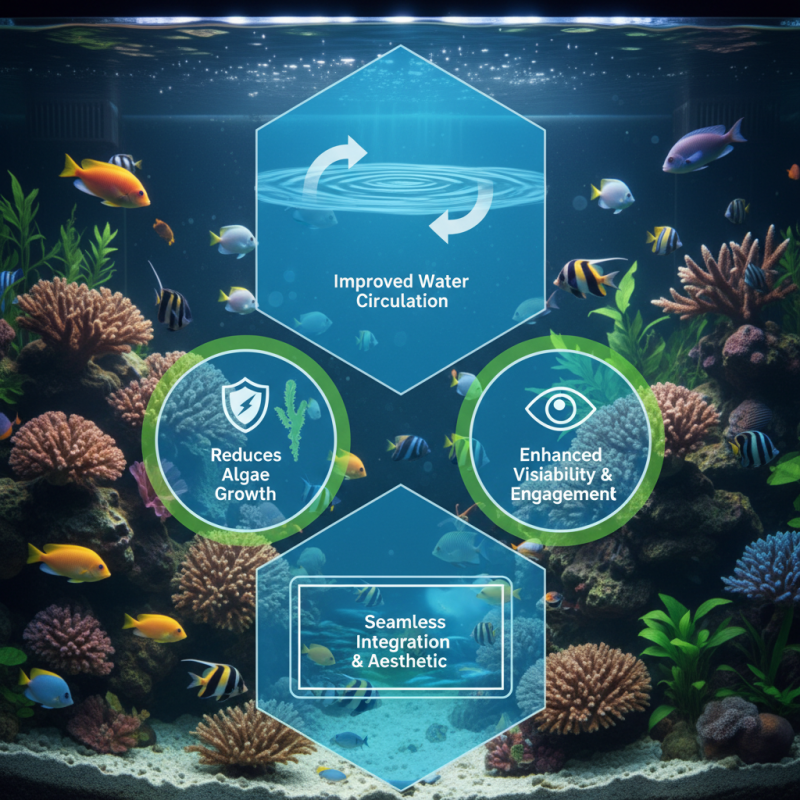
The market offers a variety of Transparent Underwater Screens, each boasting unique features and benefits. As pet owners or aquarium enthusiasts, understanding the specific needs of your aquatic ecosystem is crucial. The right screen can improve water circulation, reduce algae growth, and create a more engaging experience for observers. In this guide, we will explore the key factors to consider when choosing the best Transparent Underwater Screen for your aquarium, ensuring that it complements both the aesthetic and functional aspects of your aquatic environment.
Understanding the Importance of a Transparent Underwater Screen
When setting up an aquarium, the choice of a
transparent underwater screen
is often overlooked but is vital for the overall health and aesthetics of an aquatic environment.
Transparent underwater screens not only provide essential filtration and support aquatic life but
also enhance the visual appeal of the aquarium. According to a report by the
Marine Conservation Society,
maintaining water clarity and quality is fundamental, as it impacts the light penetration and,
consequently, the growth of photosynthetic organisms such as algae and aquatic plants.
This highlights that a transparent screen
plays a crucial role in supporting the aquatic ecosystem's balance.
Moreover, transparent screens help in creating safe habitats for fish, shielding them from
potential threats while ensuring they receive the necessary light for their survival. Studies
indicate that aquariums with well-maintained transparent barriers can see up to a
20% increase in fish activity levels due to
decreased stress and improved visibility. The importance of choosing the right screen becomes
apparent when considering these factors, as the efficacy of the aquarium all hinges on how
well these transparent screens are designed to maintain an optimal environment for life below
the water's surface.
Types of Transparent Underwater Screens Available in the Market
When selecting a transparent underwater screen for your aquarium, it's essential to understand the different types available in the market. Transparent screens are primarily designed to enhance the visual appeal of aquariums while providing necessary functionality. One common type is the acrylic screen, which offers exceptional clarity and durability. Acrylic screens are lightweight and have excellent resistance to shattering, making them a popular choice for both fresh and saltwater tanks.
Another option is the glass underwater screen. Glass provides unparalleled clarity and scratch resistance, making it ideal for larger aquariums where visibility is key. However, glass screens are heavier and can be prone to breakage if not handled carefully. In addition to these materials, some manufacturers offer mesh screens that allow for water circulation while diffusing light. These mesh options can be beneficial for certain aquatic environments, as they prevent algae buildup and provide a more natural habitat for fish and plants. By understanding these types, you can make an informed choice that best fits your aquarium’s needs.
How to Choose the Best Transparent Underwater Screen for Your Aquarium
This chart illustrates the transparency percentages of different types of transparent underwater screens available in the market. Acrylic, glass, polycarbonate, and PVC are common materials used for aquarium screens, each offering varying levels of transparency suitable for different aquarium setups.
Key Features to Consider When Choosing an Underwater Screen
When selecting the best transparent underwater screen for your aquarium, there are several key features you should consider to ensure that it meets both your aesthetic preferences and the health of your aquatic environment. First and foremost, clarity is crucial. The screen should be made from high-quality materials that offer excellent transparency, allowing for unobstructed viewing of your fish and aquatic plants. Look for screens that are designed specifically for underwater use, as they will resist fogging and maintain their clarity over time.
Another important aspect to consider is the size and fit of the screen. It should be tailored to the dimensions of your aquarium, effectively covering areas as needed while allowing for easy installation and removal. Additionally, consider the design of the screen and its ability to filter sunlight.
A well-designed screen can help to provide shade for your fish and plants, reducing algae growth and creating a more balanced ecosystem. Lastly, evaluate the durability of the material. A sturdy, scratch-resistant screen will withstand the rigors of an aquatic environment, ensuring long-lasting performance and minimal maintenance.
Comparative Analysis of Materials Used in Underwater Screens
When selecting the best transparent underwater screen for your aquarium, a thorough understanding of the materials used can significantly enhance your decision-making process. The primary materials employed in underwater screens include acrylic, tempered glass, and polycarbonate, each offering unique advantages and disadvantages.
Acrylic is favored for its lightweight nature and excellent clarity, making it ideal for larger aquariums where weight can be a concern. Additionally, acrylic screens are resistant to shattering, which adds a layer of safety in environments with active aquatic life. However, they can be prone to scratching and may require more maintenance to keep them looking pristine.
Conversely, tempered glass is renowned for its durability and scratch resistance, providing a sleek and polished look. It holds up well against the rigors of underwater environments and maintains clarity over time. Nevertheless, tempered glass can be heavier and more challenging to install in larger setups. Polycarbonate, while less common, combines some of the benefits of both acrylic and glass, offering impact resistance and good optical clarity, but may not provide the same level of scratch resistance as tempered glass. Each material has its suitability depending on the specific needs of the aquarium setup, so weighing these factors can lead you to the best choice for your underwater viewing experience.
How to Choose the Best Transparent Underwater Screen for Your Aquarium - Comparative Analysis of Materials Used in Underwater Screens
| Material |
Transparency (%) |
Durability (Years) |
Weight (kg/m2) |
Cost (USD/m2) |
| Acrylic |
92 |
10 |
6 |
50 |
| Polycarbonate |
88 |
15 |
8 |
70 |
| Glass |
90 |
20 |
12 |
80 |
| Fiberglass |
85 |
12 |
5 |
60 |
Maintaining and Cleaning Your Transparent Underwater Screen
Maintaining and cleaning your transparent underwater screen is essential to ensure clarity and enhance the aesthetic appeal of your aquarium. Over time, algae, debris, and minerals can accumulate on the screen, obscuring the view and potentially harming aquatic life. Regular maintenance helps prevent these issues, ensuring both your fish and plants thrive in a clean environment.
One effective tip for cleaning your underwater screen is to create a schedule for maintenance, ideally once a week. Use a soft cloth or sponge to gently wipe down the surface, avoiding harsh chemicals that could harm aquatic life. Additionally, consider using a mixture of vinegar and water to eliminate stubborn algae or mineral deposits. Always rinse the screen thoroughly with fresh water after cleaning to remove any residue.
Furthermore, it’s vital to monitor the water conditions in your aquarium. Maintaining optimal levels of pH, nitrate, and phosphate can reduce the growth of algae, minimizing the frequency of cleaning required. Regular water changes and ensuring proper filtration not only benefit your aquatic inhabitants but also keep your transparent underwater screen looking pristine.