How to Choose the Best Transparent Underwater Screen for Your Needs?
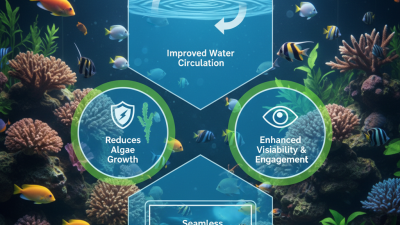
Choosing the best Transparent Underwater Screen can be challenging. With many options available, it's vital to know what suits your specific needs. These screens not only enhance underwater visibility but also add an aesthetic touch to your aquatic setup.
Understanding the features of a Transparent Underwater Screen is essential. Consider factors such as size, clarity, and durability. The right choice can make a significant difference in your underwater experience. Not all screens perform equally in various water conditions. Reflecting on your requirements is crucial. You may find that what looks appealing may not meet practical needs.
Many users overlook the importance of user reviews and expert recommendations. They can provide insights into long-term performance. A Transparent Underwater Screen that excels in one environment may fail in another. Research and careful selection are key steps in this process. Don't rush to make a decision. Take the time to ensure your choice aligns with your expectations.

Understanding Transparent Underwater Screens: A Brief Overview
Transparent underwater screens offer a fascinating way to view aquatic environments. They allow people to enjoy and interact with underwater settings without physical barriers. These screens are used in aquariums, research labs, and even in art installations. Their unique design attracts attention and sparks curiosity.
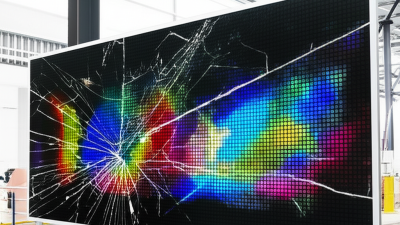
Understanding the technology behind these screens is essential. They typically rely on specialized glass or acrylic materials. When light passes through, it creates stunning visual effects. However, the quality can vary based on the installation and environmental conditions. It's important to note that the clarity of the display can be affected by water quality and lighting conditions. Sometimes, a high-quality screen may still have limitations due to external factors.
Choosing the right screen involves careful consideration of several factors. Depth, light levels, and intended use all play a role. An underwater screen might look great in one setup but struggle in another. Always assess your specific environment before making a decision. Each choice brings its challenges. Learning from past installations can help inform future decisions, ensuring a better fit for your needs.
How to Choose the Best Transparent Underwater Screen for Your Needs?
| Model |
Size (inches) |
Resolution (pixels) |
Waterproof Rating |
Weight (lbs) |
Average Price ($) |
| Model A |
15 |
1920 x 1080 |
IP68 |
5.5 |
450 |
| Model B |
17 |
2560 x 1440 |
IP67 |
6.0 |
600 |
| Model C |
20 |
3840 x 2160 |
IP66 |
7.5 |
800 |
| Model D |
24 |
1920 x 1080 |
IP69 |
8.0 |
950 |
Key Features to Consider When Selecting an Underwater Screen
When selecting a transparent underwater screen, consider several key features. The size is crucial. A larger screen can provide a better viewing experience, but it may also be harder to install.
Think about your setup. Will it fit your space?
The clarity of the screen matters too. Look for a screen that maintains high visibility in water. Some options tend to distort images, leading to a frustrating user experience.
Testing different screens can help you determine which one suits your needs best.
Durability should also be a priority. Underwater screens face harsh conditions. If a screen can't withstand temperature changes or saltwater, it might not be worth the investment.
Lastly, think about the ease of maintenance. Screens that trap debris will require more cleaning.
Reflect on these aspects to make an informed choice.
Determining the Right Size and Shape for Your Needs
Choosing the right size and shape for your transparent underwater screen is crucial. It directly impacts your viewing experience and overall enjoyment. Consider the dimensions of the area where you will install the screen. A larger screen may offer a more immersive experience, but it could overwhelm a small space. Conversely, a smaller screen may not project the same level of presence.
When selecting the shape, think about how it complements your environment. Curved designs can create a sense of flow, while rectangular shapes may fit better against walls. Reflect on the visual balance in your space. A cumbersome screen may disrupt the aesthetics.
Tips: Measure your space accurately. Account for any obstructions. Always visualize the screen in place before making a purchase. Additionally, consider your intended use. Will it be for entertainment or educational purposes? This decision can greatly influence the size and shape you choose. Think about any adjustments you might need for lighting conditions. A well-placed screen should ensure maximum visibility without glare.
Avoid rushing the selection process. Take your time to explore different options. Engaging with professionals can also offer valuable insights about your choices. Consider current trends but prioritize your unique needs.
Comparison of Different Sizes and Shapes of Transparent Underwater Screens
The chart above illustrates user preference scores for various sizes of transparent underwater screens. As the size of the screen increases, the preference score tends to rise, indicating that larger screens are generally more favored by users for underwater applications.
Evaluating the Durability and Maintenance Requirements
When selecting a transparent underwater screen,
durability and maintenance
are key. A report from the Marine Technology Society indicates that screens are exposed to harsh underwater environments.
Constant exposure to saltwater, sunlight, and pressure
can deteriorate materials. It's essential to choose materials that resist corrosion and UV damage.
Research shows that polycarbonate screens have a lifespan of five to seven years
if properly maintained, but factors like water quality can influence longevity.
In terms of maintenance,
routine inspections are vital.
Regularly checking for scratches or signs of wear can extend the screen's life. Some studies suggest that screens with protective coatings require less frequent maintenance.
However, these coatings can wear off over time, necessitating more frequent evaluations.
A transparent underwater screen can be quite versatile, but upkeep can be overlooked. Users should create a maintenance schedule and keep a detailed log of inspections.
While many products promise durability,
the real test lies in real-world conditions. Screens can fade or develop algae buildup, which may not always be easy to clean.
Therefore, understanding the maintenance needs
is crucial when choosing a transparent underwater screen.
Overlooking these details may lead to unexpected costs down the line.
Comparing Cost and Quality Across Different Brands
Choosing the right transparent underwater screen is crucial for effective oceanic exploration. Various brands offer different price ranges, which can affect your decision. A recent industry report indicated that screens priced between $200 to $500 often balance quality and affordability well.
When evaluating cost and quality, consider factors like clarity, durability, and functionality. Research shows that high-quality screens tend to last longer, reducing long-term costs. However, cheaper options may lead to replacements sooner, which could negate any initial savings. The material used in construction plays a significant role too. Stronger materials often enhance longevity.
Tips: Always read user reviews for insights on durability and performance. Look for warranty policies that protect your investment. Consider how often you'll use the screen; frequent users might benefit from spending more upfront on a quality product. It's essential to question whether the highest price guarantees better performance or if a mid-range model can meet your needs. Balancing quality with personal use cases is key in making the right choice.