How to Choose the Best Transparent Film Led Guardrail Screen?
In today's digital landscape, the demand for high-quality visual displays is ever-growing. One innovative solution is the Transparent Film Led Guardrail Screen. This technology offers a seamless blend of functionality and aesthetics, making it ideal for various applications. As cities become more populated, the need for effective communication in crowded spaces increases. Thus, choosing the right Transparent Film Led Guardrail Screen becomes crucial.
When selecting a screen, consider factors like transparency level and brightness. These elements not only impact visibility but also the overall user experience. A transparent screen can maintain the integrity of the environment while delivering stunning visuals. However, not all screens on the market meet quality standards. It's essential to look for reputable brands that prioritize durability and performance.
Potential buyers often overlook specific details. For instance, installation and maintenance requirements are important considerations. Some screens may be difficult to install or require frequent upkeep. Failing to address these aspects can lead to frustration. By understanding the benefits and limitations of Transparent Film Led Guardrail Screens, you can make a more informed choice. This will ultimately enhance your project’s success and user engagement.
Understanding the Basics of Transparent Film LED Guardrail Screens
Transparent film LED guardrail screens have gained popularity in recent years. They offer effective display solutions while allowing visibility. Understanding their basic functionalities is crucial before choosing the right one.
These screens utilize light transmission technology. They project bright images and messages. At the same time, they maintain transparency. This feature allows passengers to see through without obstruction. Their versatility makes them suitable for various environments, such as retail stores, exhibitions, and public transport systems.
Tip: Consider the environment where the screen will be installed. Different settings may require specific brightness levels. Ensure that the transparency of the screen matches your visibility needs.
Another aspect to reflect on is installation requirements. Some screens might require professional setup. DIY installations can lead to misalignment, affecting the visual appeal and functionality.
Tip: Assess your technical skills before attempting installation. Seek professional help if necessary to avoid costly mistakes.
Finally, prioritize durability and maintenance. Different materials may offer varying levels of weather resistance. Regular maintenance extends the life of the guardrail screen and keeps it functioning optimally.
Tip: Plan a maintenance schedule to ensure consistent performance.
Key Specifications to Consider for Transparency and Brightness
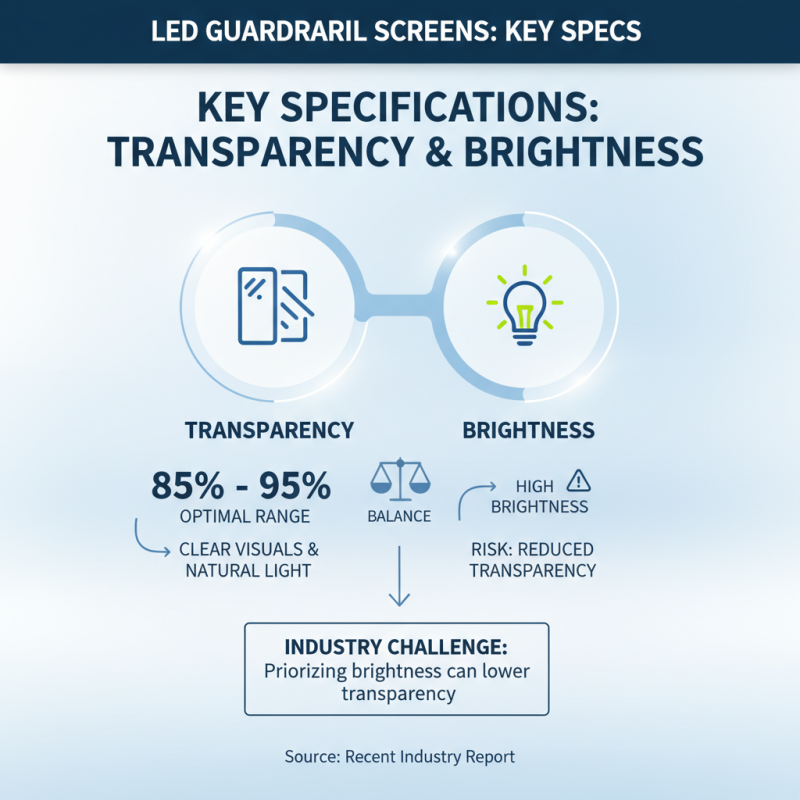
When selecting a transparent film LED guardrail screen, transparency and brightness are critical specifications. According to a recent industry report, optimal transparency levels range between 85% and 95%. This high transparency ensures that visuals remain clear without obstructing natural light. However, achieving this balance can be challenging, as producers sometimes prioritize brightness at the expense of transparency.
Brightness levels should ideally be above 2,000 nits for outdoor environments. This level guarantees that the screen remains visible even under direct sunlight. It's worth noting that some screens boast higher brightness ratings but may sacrifice color accuracy. Colors can appear washed out without proper calibration. Experts suggest seeking screens with adjustable brightness settings to adapt to various ambient light conditions.
Installation factors can also influence performance. Poor installation compromises both brightness and transparency. Ensure that the screen is positioned correctly for optimal viewing angles. Look for user reviews and expert assessments, as real-world experiences provide valuable insights. The interplay of these specifications is complex and requires careful consideration to avoid pitfalls.
Comparing Material Types: Acrylic vs. Polycarbonate for Durability
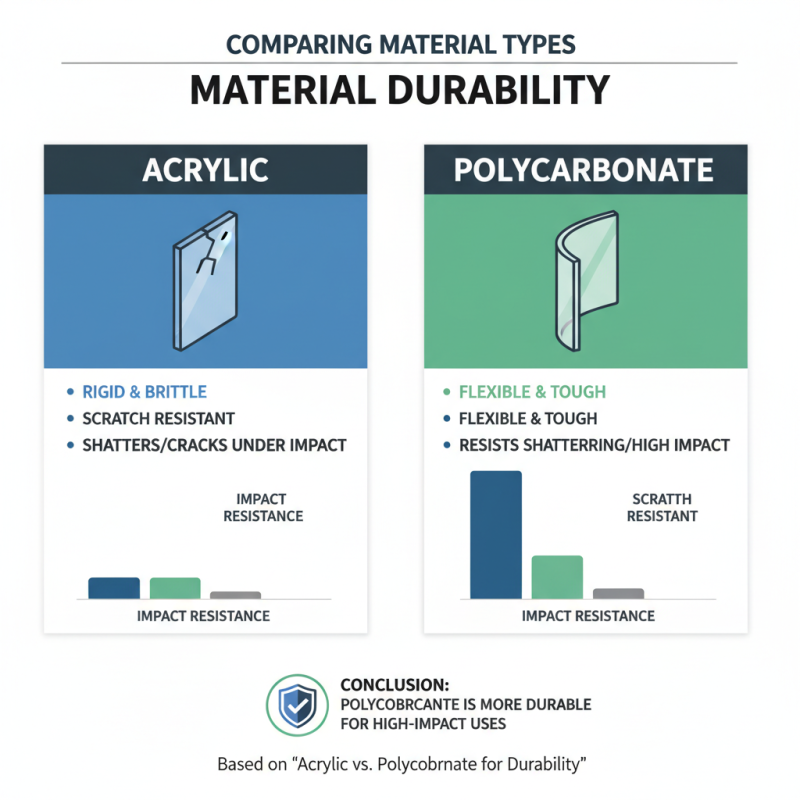
When choosing the right material for a transparent film LED guardrail screen, durability is crucial. Two popular options are acrylic and polycarbonate. Both materials have distinct characteristics that influence their performance and longevity.
Acrylic is lightweight and offers good clarity, making it an attractive choice. However, it scratches easily and may not withstand severe impacts. On the other hand, polycarbonate is significantly tougher. It resists both scratches and impact, making it ideal for high-traffic areas. The trade-off is that polycarbonate can be heavier and may cost more upfront.
Choosing between these materials often requires weighing your specific needs. For instance, if you need high clarity and are in a secure environment, acrylic might suffice. If your installation faces constant wear, polycarbonate shines. Each option has its pros and cons, inviting careful consideration about what truly matters for your application.
Evaluating Installation Options: Fixed vs. Mobile Guardrail Screens
When evaluating installation options for transparent film LED guardrail screens, one must consider fixed versus mobile setups. Fixed guardrail screens offer stability and durability in high-traffic areas. According to a recent report, fixed installations reduce maintenance costs by about 25% compared to mobile options. However, installation can be more complex and time-consuming, especially in challenging environments.
Mobile guardrail screens provide versatility. They can be repositioned as needed, making them ideal for events or temporary setups. A survey indicated that 65% of users prefer mobile designs for their adaptability. But these options may incur higher long-term costs due to frequent repositioning and potential damage.
Choosing between fixed and mobile depends on specific needs. Both options have unique advantages and potential drawbacks. Consider the location, budget, and purpose carefully. It's essential to weigh all aspects to ensure the choice aligns with your requirements and goals.
How to Choose the Best Transparent Film Led Guardrail Screen? - Evaluating Installation Options: Fixed vs. Mobile Guardrail Screens
| Feature |
Fixed Guardrail Screens |
Mobile Guardrail Screens |
| Installation Ease |
Requires professional installation |
Can be set up by users easily |
| Cost |
Higher initial investment |
More affordable and flexible |
| Portability |
Fixed in place |
Easily movable |
| Durability |
Long-lasting and robust |
Durability varies by model |
| Usage Scenarios |
Best for permanent installations |
Ideal for events and dynamic settings |
| Maintenance |
Less frequent maintenance required |
Regular checks suggested due to movement |
Assessing Cost-Effectiveness and ROI in Transparent LED Screens
When choosing a transparent film LED guardrail screen, understanding cost-effectiveness and ROI is essential. These screens can enhance visibility while allowing natural light. The price of transparent LED screens varies. Factors like size, resolution, and installation affect costs. It's vital to analyze your budget carefully.
Tips for evaluating ROI: consider the lifespan of the screen. Many screens last up to 100,000 hours. Higher initial costs may offer better long-term savings. Also, evaluate how the screen can boost customer engagement. Sales may increase as a result of its eye-catching display.
Consider potential hidden costs. Installation might require structural modifications. Keep maintenance in mind; certain screens may need more upkeep. Understanding these factors helps in decision-making. Always weigh both the financial and visual impacts of your choice to ensure effectiveness.