How to Choose the Best Transparentsphericalscreen for Your Needs?
Choosing the right Transparentsphericalscreen can be challenging. Many options are available on the market, and each design offers unique features. It’s crucial to assess your specific needs before making a decision.
Consider factors such as the screen size, resolution, and the environment in which you will use it. Do you need vibrant colors, or is durability your priority? The clarity of the image is essential. You want clear visuals for presentations or entertainment.
Don’t forget to reflect on your budget. High-quality Transparentsphericalscreens can be expensive. Sometimes, a less costly option meets your needs just as well. Balancing quality with affordability requires careful thought. Keep in mind that no choice is perfect. What works for one person might not suit another.
Understanding Transparentsphericalscreens and Their Applications
Transparentspherical screens are gaining popularity in various industries. They offer a unique blend of visibility and creativity. These screens allow users to project images while maintaining a three-dimensional feel. Artists, advertisers, and educators often utilize them to capture attention.
Understanding the applications of transparentspherical screens is crucial. In retail, they enhance product displays and create immersive experiences. When strategically placed, these screens can leave a lasting impression. Venues like museums and galleries benefit from their ability to engage audiences effectively. However, selecting the right screen can be tricky. Not every screen fits every need. Factors like size, resolution, and installation environment matter immensely.
Not all screens are perfect. Some may not deliver the expected clarity in bright settings. Others might struggle with content adaptability. It’s important to assess each screen's capability against your specific needs. Reflecting on previous experiences can guide your choice. Taking time to analyze product specifications is wise. Experimenting with different setups might also unlock new possibilities.
Comparison of Different Types of Transparent Spherical Screens
This bar chart compares the brightness levels of various types of transparent spherical screens, illustrating their potential availability and performance metrics when selecting the best option for display needs.
Key Features to Consider When Selecting a Transparentsphericalscreen
When selecting a transparent spherical screen, it’s crucial to assess key features that align with your requirements. Start by evaluating the size. A larger screen may enhance visibility but can also be overwhelming in small spaces. Consider the resolution too. High-definition screens provide clear images, yet they might be pricier. You need to strike a balance between cost and quality, which can be tricky.
Next, think about brightness levels. If the screen will be used in well-lit environments, an option with high brightness is essential. Pay attention to the screen's viewing angle as well. Limited angles can lead to a subpar experience for viewers positioned off-center. Look for models that support wide viewing angles, but sometimes those come at a higher price.
Durability is another important feature. A fragile screen may not withstand frequent use. Research different materials that balance clarity and longevity. Some may struggle with scratches, while others can fade over time. Reflect on how you'll be using the screen. Will it face heavy wear? Consider these factors carefully to ensure your choice meets your specific needs.
Evaluating Size and Resolution for Your Specific Needs
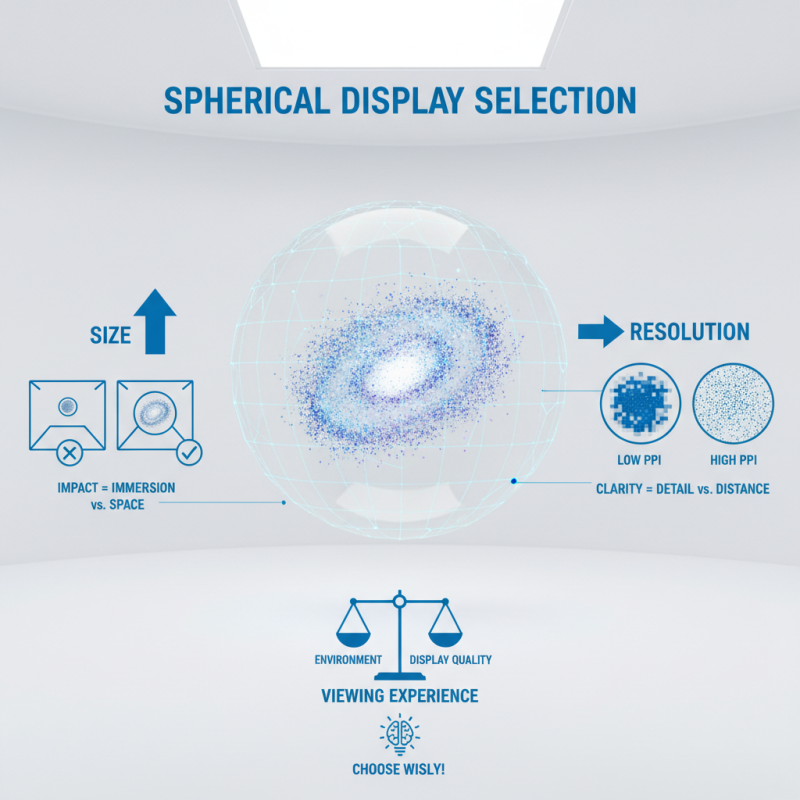
When selecting a transparent spherical screen, evaluating size and resolution is crucial. The screen's size directly impacts your viewing experience. A larger screen can create immersive visuals but may require more space. Consider the environment where it will be used. A small room may not accommodate a large screen comfortably, making it harder to appreciate the display quality.
Resolution is equally important. Higher resolution means clearer images, but it can also strain your budget. Think about your primary use cases. Will you focus on detailed presentations or vibrant videos? Balancing size and resolution can be tricky. An oversized screen with low resolution can lead to a disappointing experience. Alternatively, a smaller screen with high resolution might suffice for more intimate settings.
Pay attention to viewing distance as well. If you sit too close to a low-resolution screen, the pixels become visible. Conversely, a high-resolution screen could lose detail if viewed from too far away. It’s essential to find a harmonious balance. Test different options if possible. This hands-on approach can highlight what feels right for you. Reflect on how each choice impacts your overall satisfaction. What might seem perfect on paper may not meet your real-world expectations.
Comparing Material Types and Durability in Transparentsphericalscreens
When choosing a transparentspherical screen, material type and durability are crucial factors. Different materials offer various levels of clarity and sturdiness. Common options include acrylic, polycarbonate, and glass. Acrylic is lightweight and cost-effective but may scratch easily. Polycarbonate provides high impact resistance but can be more expensive. Glass, while offering excellent clarity, is heavy and breaks more easily.
Tip: Consider the environment where you will use the screen. Will it have high foot traffic or exposure to moisture? This can help determine the right material for your needs.
Durability plays a significant role in usability. A screen that can withstand everyday wear and tear will save money and hassle in the long run. It's essential to research user reviews for insights into longevity. Remember, not all products are built to last, so evaluate carefully.
Tip: Always check warranty options. A solid warranty reflects the manufacturer’s confidence in their product. It’s a sign that the product is designed to endure.
How to Choose the Best Transparentsphericalscreen for Your Needs? - Comparing Material Types and Durability in Transparentsphericalscreens
| Material Type |
Durability Rating |
Weight (kg/m²) |
Cost ($/m²) |
Recommended Use |
| Acrylic |
8/10 |
2.5 |
20 |
Indoor Displays |
| Polycarbonate |
9/10 |
3.0 |
25 |
Outdoor Use |
| Glass |
10/10 |
6.0 |
35 |
Premium Installations |
| PVC |
6/10 |
1.5 |
15 |
Temporary Displays |
Assessing Budget and Cost-effectiveness for Transparent Display Solutions
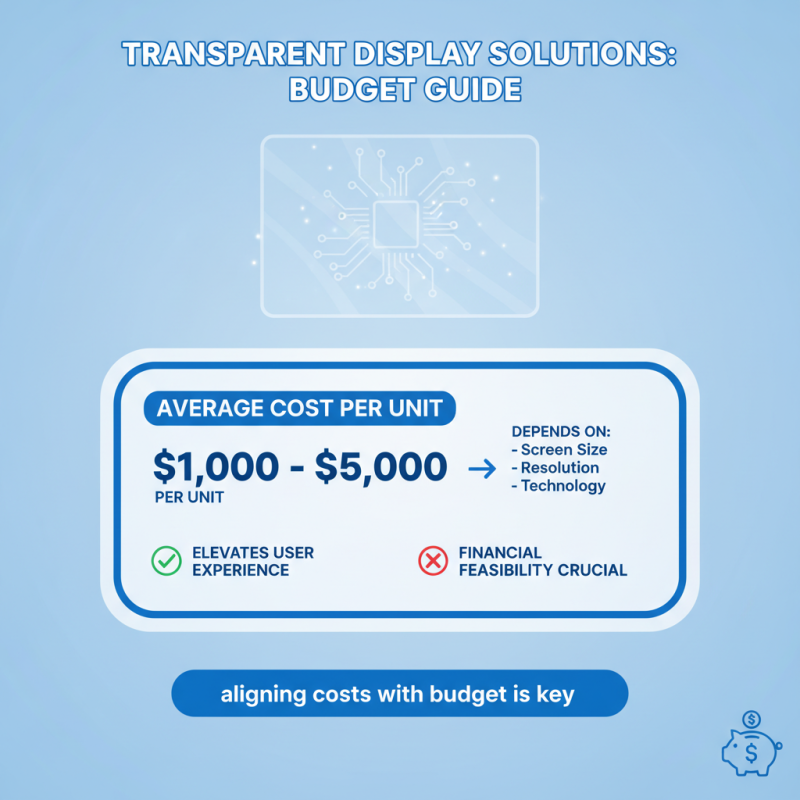
When considering a transparent display solution, budget plays a crucial role. Recent studies reveal that the average cost for advanced transparent screens ranges from $1,000 to $5,000 per unit. This variability largely depends on screen size, resolution, and technology. Businesses must evaluate how these costs align with their overall budget. Investing in transparent displays can indeed elevate user experiences, but financial feasibility cannot be overlooked.
Cost-effectiveness is another important aspect to analyze. Research indicates that transparent displays can boost customer engagement by up to 60%. However, this engagement is not guaranteed. Companies must assess if the potential increase in sales justifies the high initial investment. Additionally, energy consumption can affect long-term costs. Transparent screens often have higher power requirements, impacting the overall financial picture.
It’s essential to consider maintenance costs. Transparent displays may require specialized technicians for repairs. This could lead to unforeseen expenses that strain your budget further. Prospective buyers should conduct a thorough cost-benefit analysis before proceeding with their purchase. Evaluating all these factors can lead to more informed decisions about transparent display solutions.