How to Choose a Flexible Transparent Irregular Display Screen?
In today’s tech-driven world, the "Flexible Transparent Irregular Display Screen" has emerged as a groundbreaking innovation in visual technology. Renowned expert, Dr. Emma Chen, emphasizes, "Innovation in displays is about creating opportunities for new forms of interaction." Choosing the right display screen can be challenging due to the variety of options available.
When considering a Flexible Transparent Irregular Display Screen, several factors come into play. The material used greatly influences the screen's durability and clarity. Flexible screens have unique properties, allowing them to adapt to different surfaces. This flexibility opens new possibilities for design and functionality. However, not all manufacturers prioritize quality.
Additionally, assessing the screen's transparency is crucial. A great display should balance visibility and clarity, ensuring it does not compromise the viewer's experience. The irregular shape adds a layer of complexity, making it essential to consider installation and usage scenarios. Finding the right fit may require careful evaluation. Embracing the potential of these screens involves an understanding of their limitations as well.

Understanding the Basics of Flexible Transparent Irregular Display Screens
Flexible transparent irregular display screens are revolutionizing visual technology. They offer unique design possibilities, making them highly sought after. According to recent industry reports, the global market for flexible displays is expected to reach $50 billion by 2025. This growth highlights the demand for innovation and adaptability in display technology.
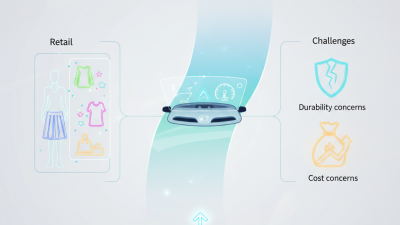
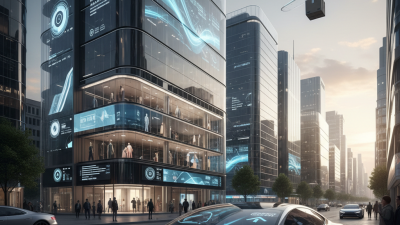
These screens are not only flexible but also allow for transparency. This dual functionality opens doors to various applications. Architects can integrate them into buildings for interactive facades, while retailers use them for eye-catching product displays. However, engineers face challenges, such as ensuring durable materials that maintain clarity and color accuracy. The compromise between flexibility and durability often leads to unexpected issues.
Understanding the basics of these screens is crucial. Users should consider factors like resolution, viewing angles, and brightness levels. Reports suggest that nearly 70% of consumers prioritize resolution over other features. While flexibility is enticing, it should not come at the cost of image quality. Balancing these aspects is vital for delivering a satisfying user experience. Implementing better technology can help address these shortcomings.
Key Features to Consider When Choosing Display Technology
When selecting a flexible transparent irregular display screen, consider several key features. The clarity and brightness of the display are crucial. For instance, a screen with at least 1000 nits brightness ensures visibility even in well-lit environments. Additionally, a high resolution is necessary for sharp images. Look for screens with at least 1920 x 1080 pixels.
Another critical feature is the aspect ratio. Irregular displays often come in unique shapes. A flexible screen can fit around corners or be part of an art installation. Make sure the aspect ratio suits your design needs. Factors like refresh rate also matter. A higher refresh rate enhances motion clarity, especially in dynamic content.
Tips: Assess your space before buying. Plan how the display will integrate with your environment. Also, consider the technology behind the screen. OLED displays offer vibrant colors but may have burn-in issues. Remember, the wrong choice can lead to poor viewer experiences. Balancing aesthetics and functionality is key.
Evaluating Performance Criteria for Display Quality and Visibility
When selecting a flexible transparent irregular display screen, evaluating performance criteria is critical. Start with brightness levels. A brighter display enhances visibility, especially in well-lit environments. Contrast ratio matters too. It defines the range between the darkest and lightest parts of an image. High contrast adds depth, making images stand out.
Color accuracy is another vital criterion. Screens should reproduce colors faithfully for the best user experience. Check for the color gamut and how well the screen adheres to standard color profiles. Remember, some screens may look vibrant but may not represent true colors.
**Tips:** Always test the display under different lighting conditions. This reveals how well it performs in various settings. Also, consider the viewing angle. A great screen should maintain clarity from multiple perspectives. Don't forget to reflect on your specific needs. What works for one application may not suit another.
Exploring Design Compatibility and Installation Options
When considering a flexible transparent irregular display screen, design compatibility is crucial. It should harmonize with your space. Think about the colors and shapes surrounding it. Can the screen complement or clash with existing decor? Take time to visualize how it fits in. The arrangement of furniture can affect the overall aesthetic. Look for flexibility in design.
Installation options for these screens vary. Some might need specialized mounting systems. Be sure to check the required hardware. It's essential to assess the wall or surface where the display will be installed. Ensure it's sturdy enough to support the screen's weight. Measure everything precisely. Mistakes in measurements can lead to frustration.
Setting up the screen requires planning. Consider potential glare from windows or lights. This can impact visibility. It's also wise to think about accessibility. Can people interact easily with the screen? During the installation phase, take a moment to step back and reflect. Reflect on how users will engage with the display.
Assessing Budget Constraints and Long-Term Value
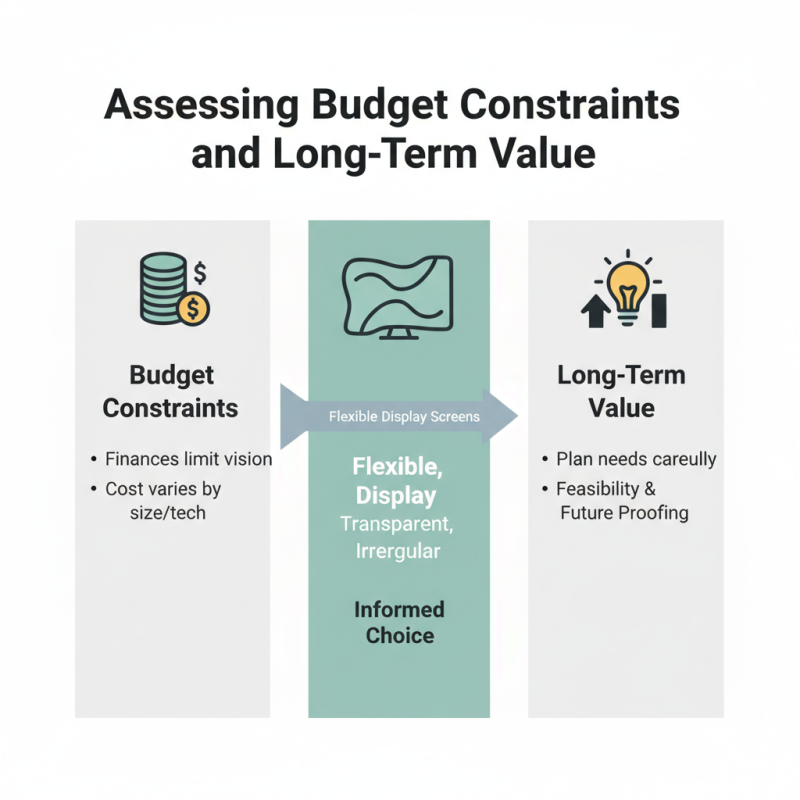
When choosing a flexible transparent irregular display screen, budget constraints play a significant role. You may have a vision, but finances often dictate what’s feasible. Consider your budget carefully. Flexible screens can vary widely in cost, influenced by size and technology. Planning for your needs is essential.
Tips: Always account for installation costs. Sometimes, hidden expenses arise. A budget of $2000 might not cover everything. Explore financing options. Investing in high-quality displays may be wise in the long run. It can reduce maintenance and replacement costs later.
Long-term value is crucial. A cheaper screen may seem appealing upfront but could cost more over time. Durability and functionality matter. If a low-cost option breaks quickly, you’ll spend more on replacements. Think about warranties and customer support. These factors contribute to the overall value. It’s not just about the initial price. Reflect on how often you plan to use the screen and the type of environments it will face.