Curved Screen Innovations at 2026 Canton Fair for Global Buyers?
At the upcoming 2026 Canton Fair, innovations in Curved Screen technology are set to capture global buyers' attention. From April 15 to May 5, the fair will feature advancements in manufacturing and electronics. Curved Screens are becoming increasingly popular in various applications, including televisions, monitors, and digital signage. These screens provide immersive experiences that flat screens cannot match.
AI-powered search and navigation tools will enhance the buyer experience. They will enable quick identification of suppliers meeting international standards. This efficiency is crucial in the expansive 1.55 million square meter exhibition space. However, potential buyers must critically assess not only the innovation but also the environmental impact of these technologies.
The importance of Curved Screen innovations can't be understated, but buyers should remain cautious. Are these new technologies supporting sustainability, or are they just another fleeting trend? Engaging with the latest trends at this event can drive growth, yet reflection on the broader implications is essential. Transitioning to Curved Screens may require significant investment, both financially and environmentally.

Curved Screen Technology: An Overview of Current Trends
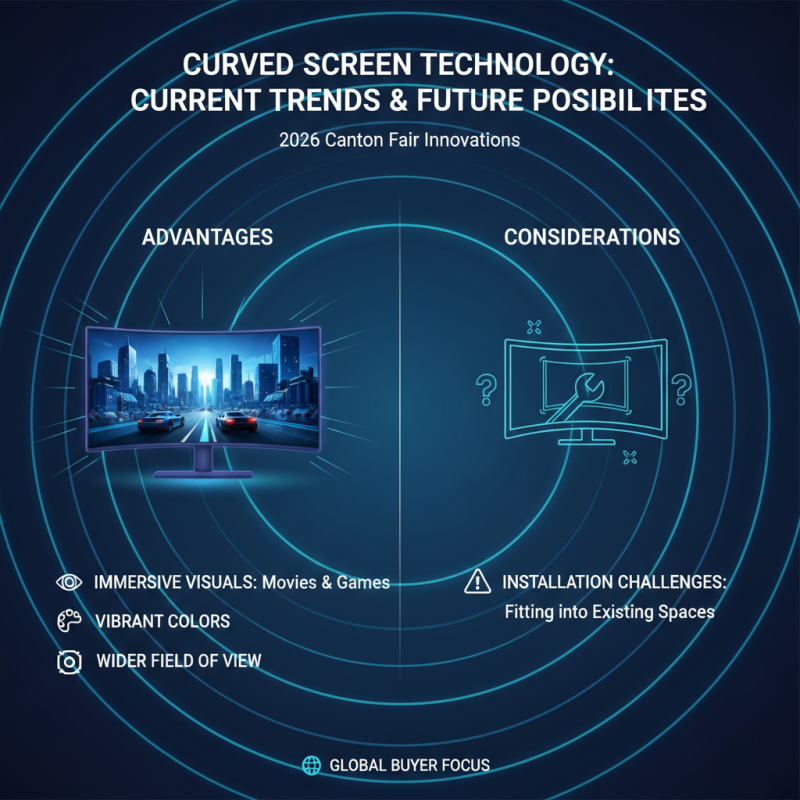
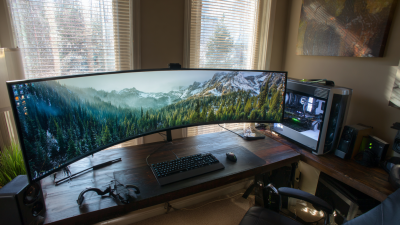
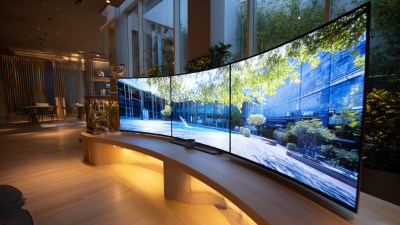
At the 2026 Canton Fair, curved screen technology showcases new possibilities for global buyers. This innovative display format captures attention with its sleek design. Curved screens offer immersive visuals, bringing movies and games to life. The vibrant colors and wider field of view enhance user experiences. However, potential buyers need to consider installation issues. Fitting these screens into existing spaces can be challenging.
Current trends highlight the shift towards affordability and accessibility. Manufacturers are focusing on producing cost-effective options without compromising quality. Despite advancements, there is a concern about reliability in the long run. Many users report issues with screen durability. Frequent repairs or replacements could impact overall satisfaction.
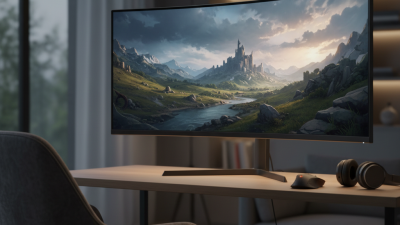
Another trend is the growing popularity in smart home integration. Curved screens can seamlessly blend into living spaces. They serve as art pieces when not in use. Nevertheless, users should reflect on their practical applications. Are these aesthetics worth the investment? In a rapidly evolving tech landscape, staying informed is crucial for making wise choices.
Significance of Curved Screens in the Global Market
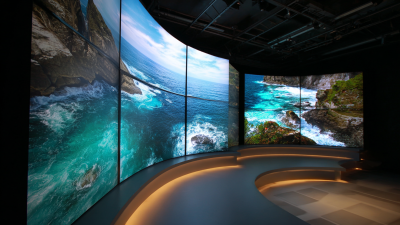
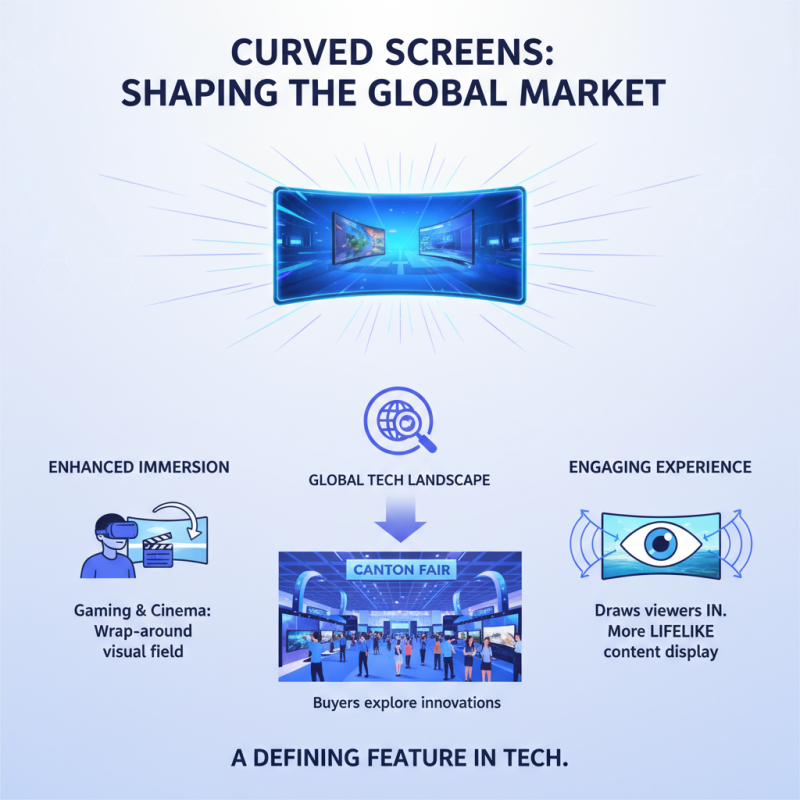
Curved screens have become a defining feature in the tech landscape. Their unique shape enhances immersion in various applications, from gaming to cinema. Buyers flock to platforms like the Canton Fair to explore these innovations. Curved screens create a more engaging experience. They draw viewers in by wrapping around their field of vision. This makes displaying content feel more lifelike.
However, there are challenges. Some users feel curved screens may not be suitable for every setting. In a brightly lit room, reflections can distract. Additionally, the ergonomic benefits are not universally accepted. Not everyone finds them comfortable for long viewing periods. There is room for improvement in sizing and viewing angles too. Buyers look for versatility. They want options that can fit comfortably in different environments.
Despite these challenges, the significance of curved screens is undeniable. They can reshape how we consume media. As technology evolves, innovations will continue to emerge. The global market anticipates exciting developments. Buyers are eager to see what the future holds. Curved screens are a testament to progress, inviting us to rethink our digital interactions.
Innovative Display Features Showcased at the 2026 Canton Fair
The 2026 Canton Fair is set to showcase groundbreaking innovations in curved screen technology. These displays promise to revolutionize how we interact with visual content. Recent industry reports indicate a growing demand for immersive viewing experiences, with a projected market growth of 15% annually. This surge is driven by an increasing consumer preference for high-quality displays.
Curved screens offer unique advantages. They provide a wider field of view, enhancing immersion. However, the technology still faces challenges. For instance, issues like viewing angle distortion and production costs need addressing. Industry analytics reveal that only 30% of users report a significant improvement in their experience with curved displays. More research is necessary to understand consumer preferences.
At the fair, global buyers can expect to see various applications of curved technology beyond televisions. Gaming monitors and interactive displays are gaining traction. Yet, the question remains: can these innovations meet user expectations? It’s vital for manufacturers to strike a balance between functionality and cost-effectiveness. The fair will be a critical platform for dialogue on these pressing issues in the display technology sector.
Comparative Analysis: Curved Screens vs. Traditional Screens
Curved screens are gaining traction in the market. A recent report by the market research firm, Display Supply Chain Consultants, notes that curved screen sales are projected to grow by 25% between 2024 and 2026. This surge reflects a significant shift in consumer preference towards more immersive viewing experiences.
Comparatively, traditional flat screens show slower growth rates. According to the same report, they are expected to grow only by 10% in the same timeframe. Curved screens offer enhanced depth perception and a wider field of view. Users report a more engaging experience, especially while gaming or watching movies. However, some users find curved screens more challenging to mount due to their shape. This could deter potential buyers.
Price remains a factor in this transition. Curved screens generally come with a higher price tag. A study by Statista indicates that, as of 2023, about 30% of consumers expressed willingness to pay extra for curved screens. However, others question if the benefits outweigh the costs, especially for casual users. These insights reveal a complex market landscape where innovation meets skepticism.
Curved Screen Innovations at 2026 Canton Fair for Global Buyers
| Feature |
Curved Screens |
Traditional Screens |
| Viewing Angle |
Wider and immersive |
Narrower |
| Screen Curvature |
Ranging from 1000R to 1800R |
Flat (0R) |
| Design Aesthetics |
Modern and sleek |
Traditional and functional |
| Price Range |
Higher |
Lower |
| Use Cases |
Gaming, Multimedia |
Office, General Use |
| User Experience |
Enhanced Immersion |
Standard Viewing |
Future Implications of Curved Screen Innovations for Buyers
Curved screen innovations are reshaping the market landscape. Data from industry reports suggest that the global curved display market will reach $36 billion by 2026. This growth is driven by advancements in technology and design. Buyers must consider how these innovations can enhance user experiences in various sectors.
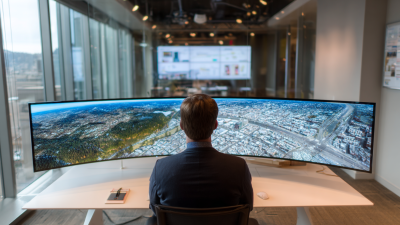
The appeal of curved screens lies in their immersive nature. They can offer a wider field of view. This can be beneficial for gaming, entertainment, and even professional applications. However, there are challenges. Not all users appreciate the viewing angles. Some report discomfort during prolonged use. Buyers should weigh these factors carefully.
Future implications are significant. Curved screens can integrate new functionalities too. Reports indicate that touch-sensitive curved displays are on the rise. This opens avenues for unique interactions. Yet, durability remains a concern. Fragility of screens may deter some potential customers. This aspect warrants attention in product development discussions.
Trends in Curved Screen Innovations at 2026 Canton Fair