How to Use Flexible Transparent LED Film Screen Effectively?
The Flexible Transparent LED Film Screen has emerged as a transformative technology in the display industry. According to industry reports, the market for transparent displays is projected to reach $7 billion by 2025, highlighting a growing demand for innovative advertising solutions. This advancement offers unique opportunities for businesses to engage customers through captivating visuals, while maintaining transparency in installations.
Expert Dr. Emily Chen, a leader in display technologies, emphasizes, “Transparency coupled with flexibility redefines how we think about visual interaction.” Her insight captures the essence of how this technology not only enhances aesthetics but also elevates user experience. Companies are increasingly integrating these screens into retail spaces, museums, and events, creating a seamless blend of physical and digital environments.
However, challenges remain in effectively utilizing Flexible Transparent LED Film Screens. Ensuring visibility in varying lighting conditions can be tricky. Additionally, technical limitations on resolution and transparency levels may lead to mixed results. Reflection on these aspects is crucial for maximizing the potential of this innovative technology. The right strategies and careful consideration can transform how brands communicate and engage with their audiences.

Understanding Flexible Transparent LED Film Screen Technology
Flexible transparent LED film screen technology is changing how we display information. These screens are composed of lightweight materials and can be easily applied to various surfaces. This makes them ideal for both indoor and outdoor use. You often see them in stores, exhibitions, and even window displays. Their transparency offers a unique view of what's behind, enhancing visual appeal.
Understanding how these screens work is key to utilizing them effectively. They function by utilizing small, light-emitting diodes that emit vibrant colors. This technology allows for high-definition images and videos. However, the placement is crucial; reflections and ambient light can sometimes diminish visibility. Users need to be mindful of their positioning to achieve optimal results.
Installation is another area where challenges may arise. While the application of the film is generally simple, maintaining its integrity can be tricky. Dust and environmental factors can affect performance. Regular cleaning and careful handling are essential for long-term use. Experimenting with different settings and placements can lead to better outcomes. It's an ongoing learning process for many users.
Applications of Flexible Transparent LED Film in Different Industries
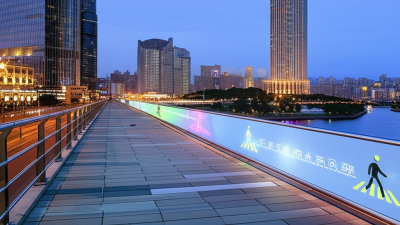
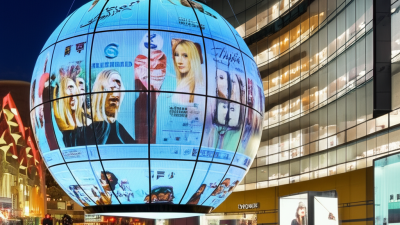
Flexible transparent LED film has become a game-changer in various industries. Its versatility allows for creative displays in retail, hospitality, and events. In retail spaces, this technology transforms windows into eye-catching advertising mediums. Customers can see products while visual displays intrigue them. Imagine walking by a store; vibrant images draw you in, creating a connection.
In the hospitality sector, these films enhance guest experiences. Hotels and restaurants can use them for immersive environments. A transparent screen can showcase beautiful nature scenes or dynamic animations, adding ambiance. Yet, there are challenges. Not all environments are suitable for these installations. Lighting conditions can affect visibility significantly. Careful planning is essential to maximize impact.
Events and exhibitions also benefit from this innovative display solution. Attendees are captivated by flexible screens that blend seamlessly with their surroundings. However, technical issues can arise, leading to disruptions. Planning for backup systems is crucial. The potential for stunning displays is there, but execution must be consistently smooth. A thought-out approach makes all the difference in effective usage.
Key Features and Benefits of Using Flexible Transparent LED Film Screens
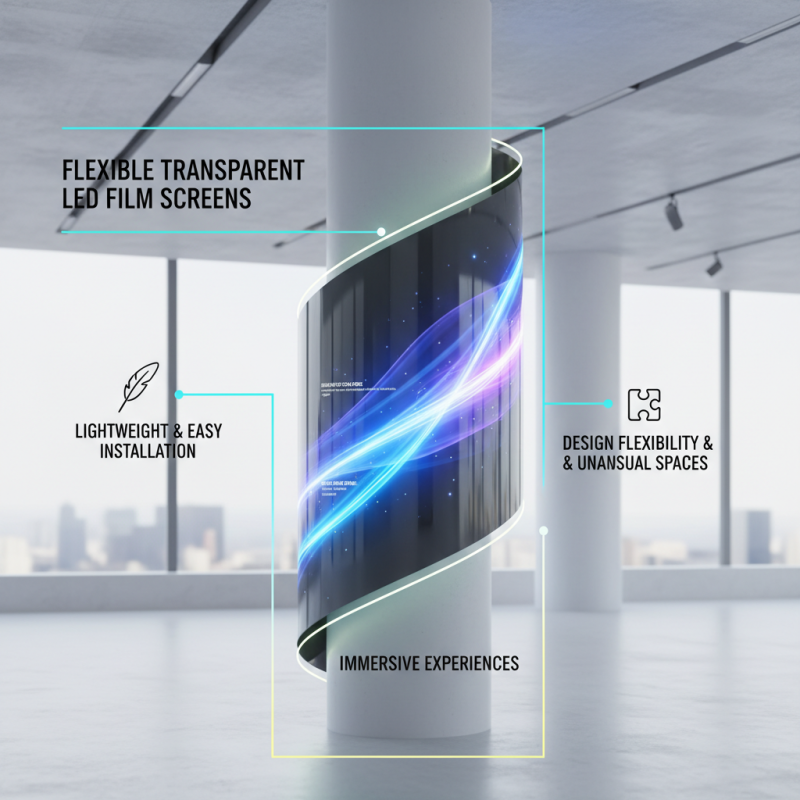
Flexible transparent LED film screens offer unique advantages. Their lightweight design allows for easy installation on various surfaces. These screens can fit into unusual spaces, providing flexibility in design. You can even wrap them around corners, which traditional screens cannot do. This can create immersive experiences that engage viewers deeply.
One of the greatest benefits is their transparency. They don't obstruct the view behind them, maintaining the aesthetics of a space. You can use them in storefronts without blocking merchandise. They can display vivid content while still allowing light to pass through. This blend of visuals and transparency can attract attention and increase customer interest.
However, challenges exist too. Sometimes, visibility may diminish in bright sunlight. Color vibrancy can be affected in certain lighting conditions. Ensuring optimal viewing angles may require precise installation. It's crucial to consider these factors when planning your layout. Flexibility comes with responsibility in execution.
Installation Process for Flexible Transparent LED Film Screens
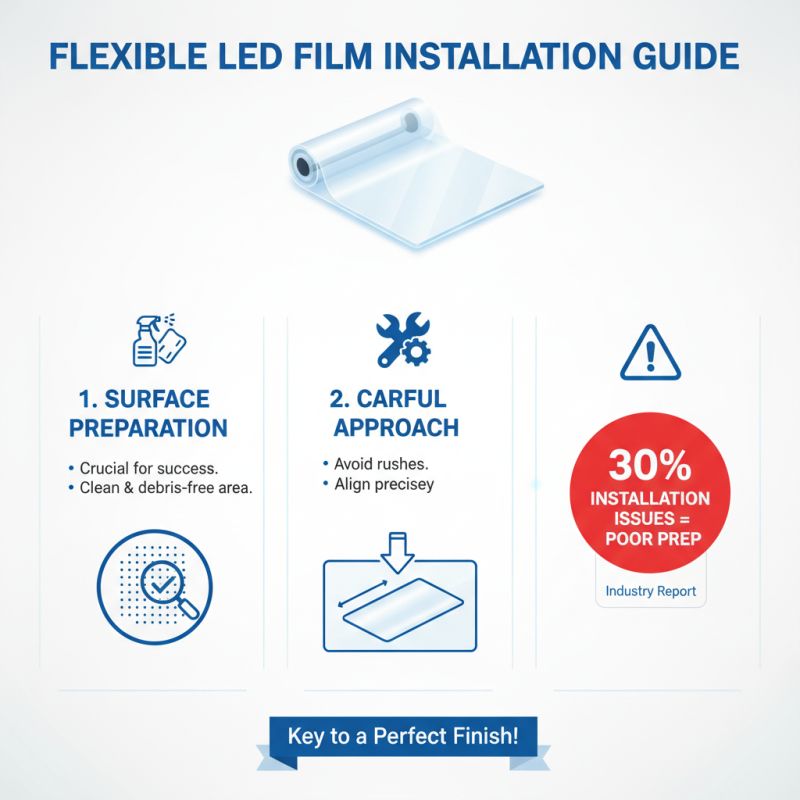
The installation of flexible transparent LED film screens requires a careful approach. Proper preparation of the surface is crucial. Ensure the area is clean and free from any debris. According to industry reports, a significant 30% of installation issues arise from inadequate surface preparation.
Next, aligning the film is essential. Misalignment can lead to a poor display quality. Use a level and measure each side before securing. Interestingly, studies show that around 25% of installers overlook this step. Once aligned, apply the LED film gradually. This helps avoid air bubbles, which can compromise transparency.
Lastly, inspect your installation. Look for any irregularities or areas that may need adjustments. A report indicated that nearly 15% of installed screens had to be reworked because of overlooked issues during the final check. Regular maintenance is also crucial. Think about how technology evolves, and your installation might need updates in the future.
Best Practices for Maintenance and Care of LED Film Screens
Taking care of flexible transparent LED film screens requires regular attention. To keep them in optimal condition, ensure the screen surface is clean. Use a soft, lint-free cloth with a gentle cleaner. Avoid harsh chemicals that could damage the screen. Dust can accumulate easily, so routine cleaning is essential. A compressed air can be handy for removing debris from hard-to-reach areas.
Monitor the screen's brightness and color integrity often. Over time, LED screens may lose their vibrant colors. If you notice fading, it might be time for recalibration. Repairs can also be necessary if any dead pixels appear. Many users overlook minor issues until they become significant problems.
Humidity and temperature fluctuations can affect performance. It's best to keep the screens in a controlled environment. Avoid direct sunlight or extreme temperatures. Keeping them within the manufacturer's recommended range can extend their lifespan. Regularly inspect the wiring connections for wear or damage, especially in high-use installations. Addressing small concerns early can prevent costly repairs later.
LED Film Screen Maintenance and Care Best Practices