How to Use Transparent Guardrail Display Screen Effectively?
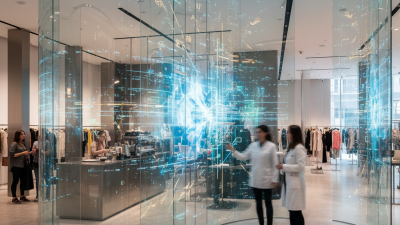
The Transparent Guardrail Display Screen is revolutionizing how information is shared and experienced in public spaces. This innovative technology allows visuals to be displayed while maintaining transparency, enabling viewers to absorb essential information without obstructing their view. It's perfect for museums, transportation hubs, and retail environments.
However, effectively using the Transparent Guardrail Display Screen requires careful planning. Many users overlook the importance of placement and content. If positioned poorly, it can hinder the viewer's experience rather than enhance it. Equally, not every image or video works well with this format. It’s crucial to select visuals that are complementary to the background.
Moreover, many realize the potential of the Transparent Guardrail Display Screen only after installation. This often leads to missed opportunities for engagement. To maximize its effectiveness, a thoughtful approach to design and usage is key. Explore the balance between visibility and aesthetic appeal, ensuring your screen serves its purpose while captivating the audience.
Understanding Transparent Guardrail Display Screens
Transparent guardrail display screens have revolutionized the way we present information in public spaces. These screens offer a unique blend of visibility and spectacle. They allow viewers to see through while maintaining an eye-catching display. This combination can be highly effective in attracting attention.
Understanding the technology behind transparent guardrail display screens is crucial. These screens use advanced LED technology to create vibrant images. They can display animated visuals or static messages, making them versatile for various environments. However, placement is key. If positioned poorly, the impact can be diminished. Background elements might interfere with the content, leading to confusion.
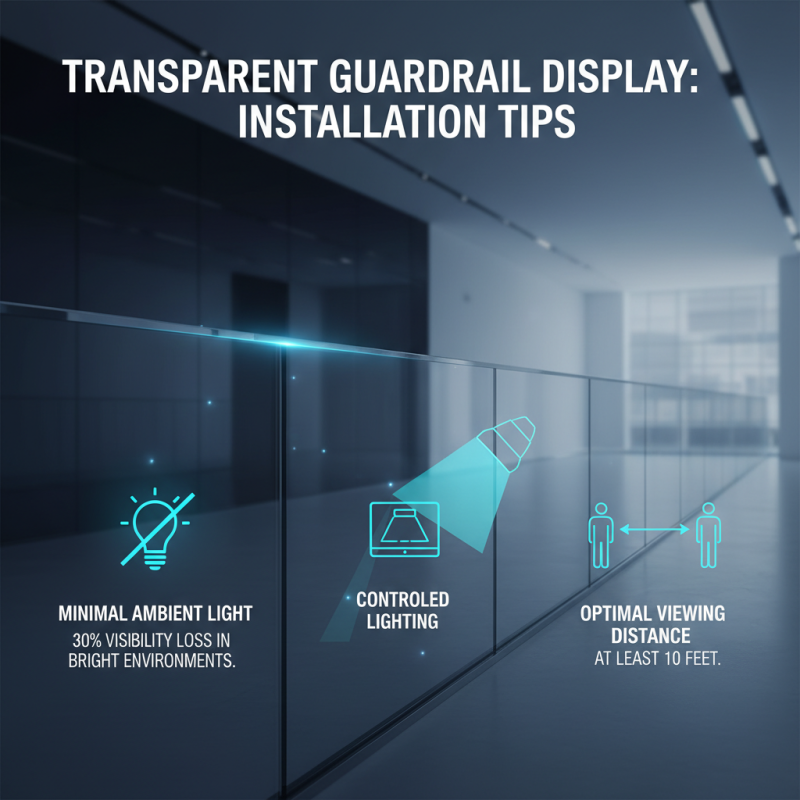
Another consideration is the lighting. Bright ambient light can wash out the images. Testing different settings is essential to find the best visibility. Users often overlook this aspect, leading to frustrating experiences. Taking the time to assess location and lighting can significantly enhance the effectiveness of the displays. The journey of mastering this technology involves trial and error, which can be both challenging and revealing.
Benefits of Using Transparent Guardrail Display Screens
Transparent guardrail display screens offer numerous benefits for various applications. These screens provide a unique way to present information while maintaining visibility. They are particularly beneficial in crowded spaces where traditional displays might obstruct views. The blend of functionality and aesthetics makes them an excellent choice for businesses aiming to attract attention without compromising safety.
One clear advantage is their ability to enhance branding. Companies can showcase their logo or messages without completely blocking the surrounding area. It helps in creating a connection between the brand and the audience. High visibility combined with the transparent design can capture customer interest effectively.
Tips:
Ensure that the content displayed is relevant and engaging. Keep visual designs simple and striking to avoid overwhelming viewers. Regularly update the content to maintain interest and reflect any changes in promotions or events. Also, consider the lighting in the area. Poorly lit environments can diminish the screen's effectiveness.
These screens can also raise questions. Are they distracting? Some people might find bright displays hard to ignore. It’s essential to evaluate the placement carefully. Transparent guardrail display screens should enhance, not hinder, the overall experience. With thoughtful consideration and effective design, they can serve as powerful communication tools.
Key Features to Consider When Choosing a Display Screen
When choosing a transparent guardrail display screen, several key features come into play. Luminosity is crucial. A bright screen captures attention better, especially in well-lit areas. Studies show that displays with over 1,500 nits significantly enhance visibility, making messages more impactful.
Another important factor is resolution. High-definition screens provide clarity and detail. Displays with Full HD or 4K resolutions allow for sharper images and vivid colors. A study by industry analysts reveals that clear visuals can increase engagement by up to 60%.
Consider the viewing angle too. Some screens offer a wider angle, accommodating diverse audience placements. However, not all designs prioritize this feature. Users should assess how a display performs at different angles. Also, think about durability. A display exposed to elements needs weather-resistant features. Research indicates that durability can reduce maintenance costs by 30% over time.
Evaluating these features can be daunting. Priorities may vary based on specific use cases. Understanding how these factors align with operational needs is essential for optimal display performance.
Best Practices for Maintenance and Usage
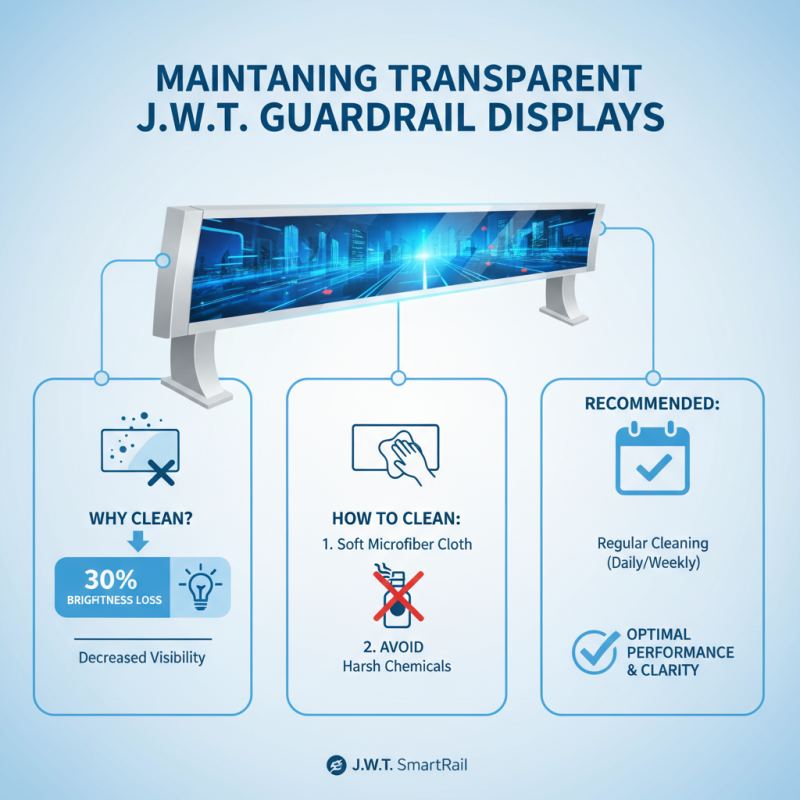
Maintaining a transparent guardrail display screen is crucial for optimal performance. Regular cleaning is necessary to prevent dust buildup. Studies have shown that screens may lose up to 30% of brightness if not cleaned regularly. Using a soft microfiber cloth is recommended. Avoid harsh chemicals that can damage the screen. Many operators overlook this aspect, leading to decreased visibility.
Usage practices also play a key role. Positioning the screen at the right angle can enhance the viewing experience. Research indicates that an angle of 30 degrees can improve visibility by 25%. Many users might be inclined to place the screen straight up, but that can lead to glare. Inadequate spacing from light sources can further affect visibility, making it vital to consider the environment in which the screen is placed.
Monitoring the display's performance is essential. A significant number of screens may exhibit issues after a few months. Regular software updates are often neglected, leading to security vulnerabilities. Users should establish a routine check for updates, as failure to do so can result in lagging performance. These overlooked factors can lead to a frustrating experience for viewers.