Why Choose Flexible Led Film Screen for Your Business Needs?
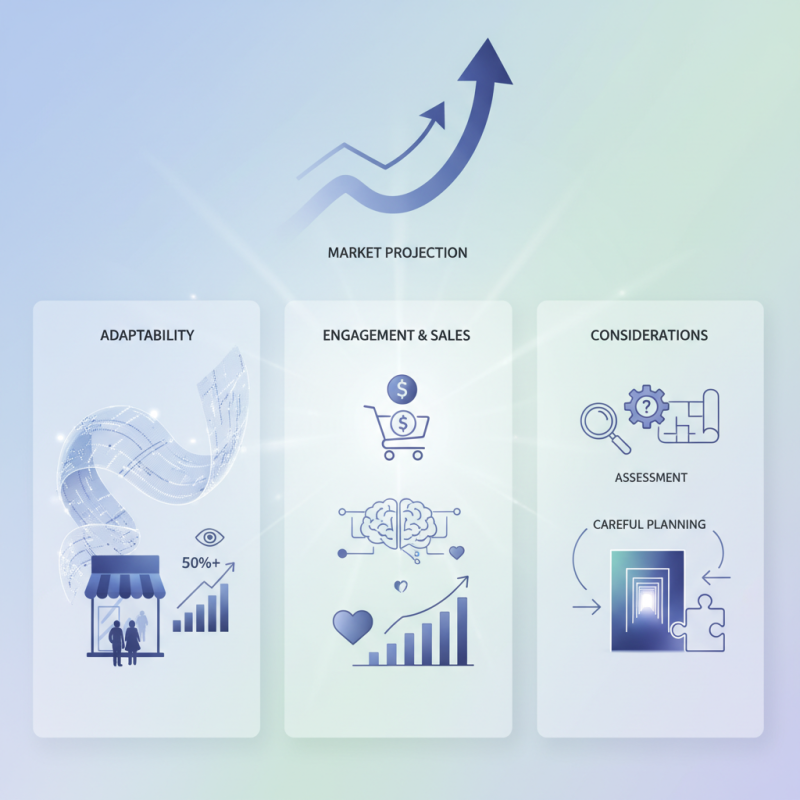
In today’s rapidly evolving digital landscape, businesses constantly seek innovative solutions to captivate their audience. The Flexible LED Film Screen has emerged as a game-changer in visual technology. According to a recent report by MarketsandMarkets, the global LED display market is projected to reach $30 billion by 2025, emphasizing the increasing demand for versatile display solutions.
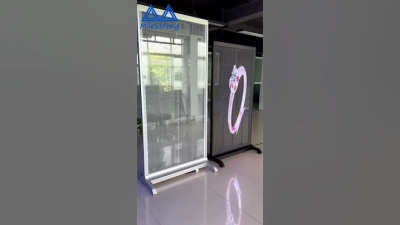
Flexible LED Film Screens offer unparalleled adaptability, allowing businesses to create eye-catching displays that conform to various shapes and sizes. This characteristic is especially valuable in retail environments, where customer attention is crucial. A study by Grand View Research indicates that over 50% of consumers are influenced by visual merchandising. Thus, utilizing these screens can significantly enhance customer engagement and drive sales.
Moreover, while Flexible LED Film Screens present exciting opportunities, companies must consider integration challenges. Not every installation will yield immediate success. Businesses should assess their unique needs and environment before making a commitment. Ultimately, the value of Flexible LED Film Screens lies in their ability to transform ordinary spaces into immersive experiences, but careful planning is essential for optimal results.
Benefits of Flexible LED Film Screens for Dynamic Advertising Solutions
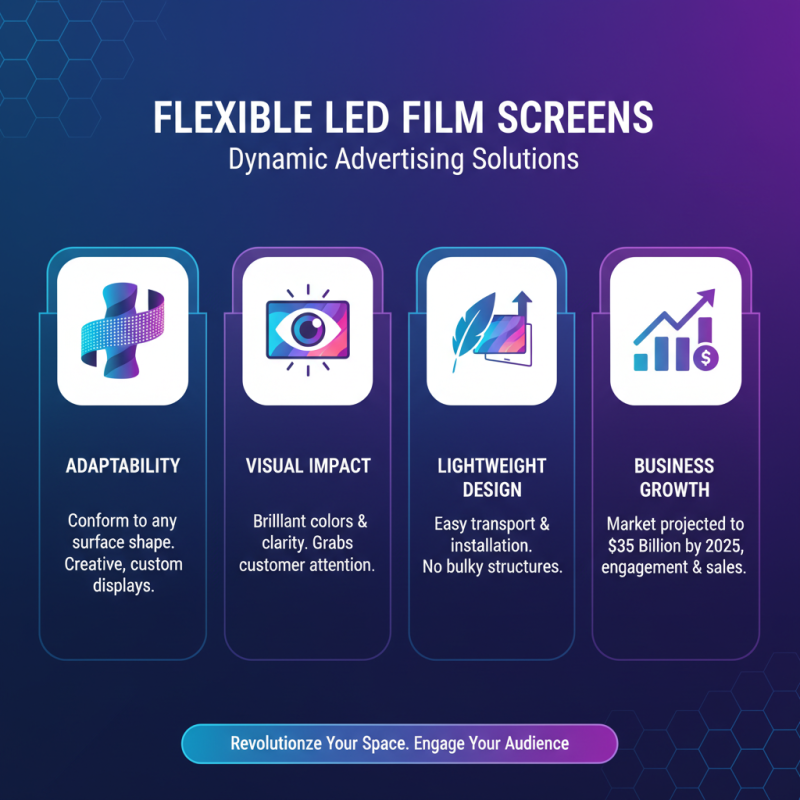
Flexible LED film screens are revolutionizing advertising solutions for many businesses. According to industry reports, the global digital signage market is projected to reach $35 billion by 2025. Flexible LED film screens play a significant role in this growth due to their adaptability and visual impact. With a lightweight design, they can wrap around surfaces, enabling creative displays that draw attention. This flexibility allows businesses to transform their spaces, making them more engaging for customers.
One of the key benefits of these screens is their high-resolution imagery. Reports indicate that high-quality visuals can boost brand recall by up to 80%. The brightness and color vibrancy of flexible LED screens enhance dynamic content, making advertisements more effective. Businesses can easily change messages, allowing for real-time marketing strategies. However, some companies face challenges in integrating these technologies smoothly. Aligning content with the target audience remains crucial.
Moreover, flexible LED screens can consume less energy than traditional displays, which is appealing for sustainability-conscious businesses. A study found that energy-efficient designs could reduce operational costs by up to 30%. Despite these advantages, some businesses may hesitate to invest. It’s essential to assess long-term benefits against initial expenses. Balancing innovation with budget constraints is key to leveraging technology effectively.
Cost Efficiency: Comparing Flexible LED Film Screens to Traditional Displays
In today's digital landscape, businesses are constantly seeking ways to enhance their visual communication. Flexible LED film screens offer an innovative alternative to traditional displays. These screens are lighter and thinner, allowing for creative installations. They can easily be curved or shaped, fitting various architectural designs. This adaptability makes them appealing for any business looking for a modern edge.
Cost efficiency is a major concern for many companies. Traditional displays often come with high installation and maintenance costs. In contrast, flexible LED film screens require less hardware and can lead to savings on installation expenses. Their energy efficiency also contributes to lower operational costs. However, initial investments may still add up. Businesses must assess their long-term plans to ensure that the switch is financially viable.
Employing flexible LED film screens can create a more dynamic customer experience. Their vibrant colors and high resolution stand out, grabbing attention. On the downside, businesses must ensure they have the right technical support to manage these systems. Failure to do so could lead to missed opportunities. Investing in this technology demands a thoughtful approach to maximally benefit from its potential.
Cost Efficiency: Comparing Flexible LED Film Screens to Traditional Displays
High-Resolution Quality: Enhancing Visual Impact for Business Promotions
High-resolution flexible LED film screens are revolutionizing business promotions. They deliver stunning visual quality that captivates audiences. Unlike traditional displays, these screens adjust to any shape or size, providing versatility. The vivid colors and sharp details enhance brand messaging. Customers remember what they see, making visual impact crucial.
A memorable promotion often hinges on engaging visuals. Businesses can showcase products in vibrant detail. The flexibility of LED screens allows for dynamic content. Imagine a screen wrapping around a pillar, catching every passerby’s attention. Such displays create an immersive experience, drawing people in. However, it is important to find the right fit for your setting. Not all installations are straightforward. Consider environment and lighting carefully.
Investing in high-resolution screens requires thought. They can be costly, and not every business has the budget. Therefore, researching options is vital. Are the benefits worth the investment? Balancing high-quality visuals with practical costs is essential. Ultimately, the goal is to enhance visibility and engage customers effectively.
Why Choose Flexible LED Film Screen for Your Business Needs?
| Feature |
Description |
Benefits |
Ideal for |
| High-Resolution Quality |
Promotes clarity and sharpness in visuals. |
Captures audience attention effectively. |
Trade Shows, Retail Displays |
| Flexibility |
Can be easily bent or shaped to fit different environments. |
Versatile design for various application needs. |
Event Spaces, Unique Installations |
| Durability |
Built with robust materials to withstand usage. |
Reduces replacement costs. |
Outdoor Advertising, Long-term Installations |
| Energy Efficiency |
Uses less power compared to traditional displays. |
Lower energy bills. |
Corporate Offices, Shopping Malls |
| Easy Installation |
Quick to set up with minimal tools required. |
Saves time for businesses. |
Retail Shops, Market Stalls |
Market Trends: The Increasing Adoption of Flexible LED Technology
The market for flexible LED technology is booming. Businesses are increasingly recognizing the value of adaptability in display solutions. Flexible LED screens can fit almost any space. Their lightweight and malleable design allows for creative installations. Companies can tailor their advertising to suit a variety of environments. This adaptability is a huge draw for many businesses.
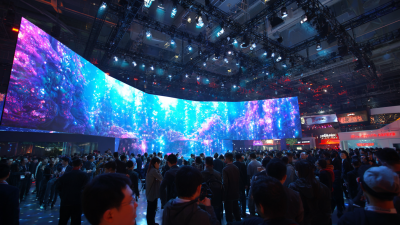
One notable trend is the rise of immersive experiences. Flexible LED screens can create dynamic visuals. They can wrap around pillars or even across ceilings. This capability enhances customer engagement and makes a lasting impression. However, with this innovation comes the challenge of ensuring quality. Some businesses struggle with installation and maintenance. Finding skilled professionals is often necessary to manage this technology effectively.
Flexibility in design leads to cost-effective solutions. However, some may overlook the long-term investment aspect. While initial costs can be high, the return on investment is significant. The ability to update content easily saves time and resources. As more companies adopt flexible LED screens, it’s essential to reflect on the balance between innovative design and practical execution.
Durability and Maintenance: A Long-Term Investment for Businesses
When considering long-term investments, the durability of your signage is crucial. Flexible LED film screens provide a robust solution, often lasting over 100,000 hours. Reports suggest that these screens can withstand harsh weather conditions, making them ideal for outdoor applications. They resist fading and damage from UV exposure, unlike traditional materials. This durability translates to lower replacement costs over time.
Maintenance is another vital factor. LED technology requires minimal upkeep. According to industry data, maintenance costs can drop by as much as 50% compared to conventional displays. Regular inspections can extend the life of these screens, but they rarely need bulb replacements or complex repairs. Businesses can thus allocate resources more efficiently, focusing on growth rather than constant maintenance.
Investing in flexible LED films leads to significant long-term savings. While initial costs may be higher, the return on investment often justifies the price. Companies report increased customer engagement and higher sales figures due to improved visibility. Flexibility in usage further enhances their appeal, allowing businesses to adapt their messaging with ease. However, it’s essential to weigh these benefits against potential challenges in implementation and technology integration.