Best Flexible LED Film Screen Solutions for Global Buyers?
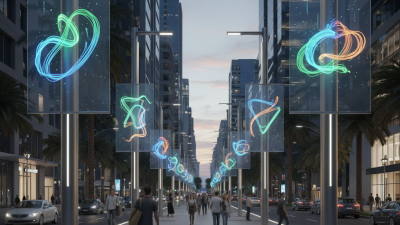
The demand for Flexible LED Film Screens is rapidly growing. A recent market analysis by TechNavio predicts a CAGR of 15% from 2023 to 2028. This growth indicates a rising interest among global buyers for innovative display solutions. Flexible LED Film Screens offer unmatched versatility. They are lightweight, thin, and adaptable, making them ideal for various applications such as events, advertising, and public installations.
Industry expert Dr. John Chen emphasizes, “The future of display technology lies in flexibility and creativity.” His insight highlights the evolving nature of this market. Buyers are seeking solutions that not only deliver high-quality visuals but also fit unique spaces. The ability to install these screens in unconventional areas is a significant advantage.
While the technology has advanced, challenges remain. Ensuring durability and maintaining color accuracy in different lighting conditions are areas requiring improvement. As the industry evolves, continuous innovation will be key to meeting consumer expectations. Balancing cost, quality, and energy efficiency is vital for buyers navigating the Flexible LED Film Screen market.
Overview of Flexible LED Film Screen Technology
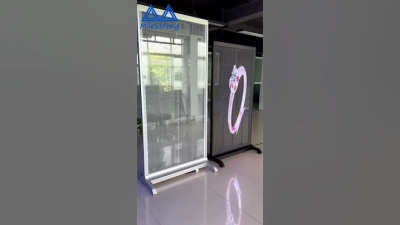
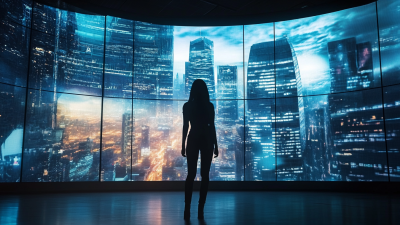
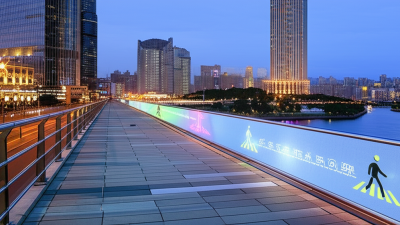
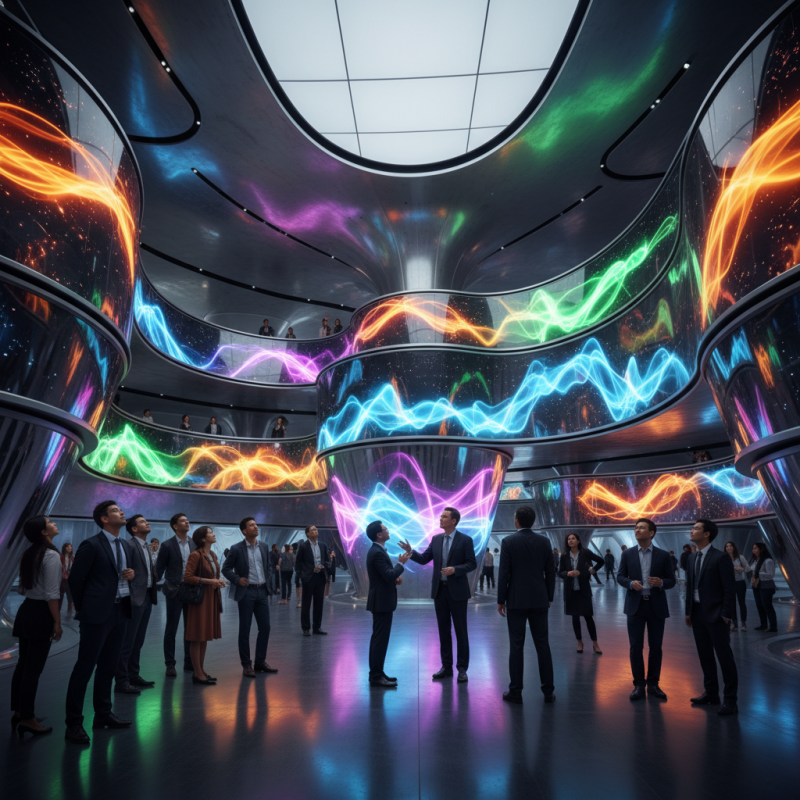
Flexible LED film screens are revolutionizing the display technology landscape. These screens offer versatility and lightweight designs, making them suitable for various applications. They can bend and conform to different surfaces, enabling creative installations that were once impossible. Their thin profile allows for seamless integration into any environment.
Technological advancements in flexible LED films have improved their brightness and color reproduction. Users can expect vibrant visuals that enhance the viewing experience. However, despite these benefits, durability is a concern. Flexible screens may not withstand extreme conditions as traditional displays do. Additionally, installation processes can be complex, requiring careful handling.
Market growth indicates rising interest in flexible LED solutions. Many industries, from retail to entertainment, are exploring these adaptable screens. As competition increases, it is essential for buyers to assess quality and reliability. Not all products are created equal, and careful selection is key to maximizing benefits.
Key Features of Flexible LED Film Screens
Flexible LED film screens are revolutionizing visual displays. Their lightweight design allows for easy installation and adaptability in various environments. Unlike traditional screens, these film screens can conform to different shapes, making them perfect for creative applications. This flexibility enhances spatial creativity and allows users to design unique installations.
One key feature of flexible LED film screens is their high resolution. This ensures vivid images and clarity, even at close viewing distances. Additionally, they offer excellent brightness and contrast. As a result, colors appear vibrant, enhancing overall visual experiences. Durability is another critical aspect. These screens are often made from high-quality materials that withstand environmental factors.
Despite their strengths, challenges exist. Installation can be tricky, requiring skilled technicians to achieve optimal results. Moreover, maintenance is essential to preserve performance. Without regular check-ups, screens can suffer from wear and tear. Users must acknowledge these aspects and be prepared for potential issues to fully benefit from this innovative technology.
Best Flexible LED Film Screen Solutions for Global Buyers
Top Manufacturers of Flexible LED Film Screens Worldwide
The flexible LED film screen market is rapidly evolving. According to a recent industry report, the global market is expected to reach $1.5 billion by 2025. This growth is driven by rising demand for versatile display solutions in advertising and entertainment.
Top manufacturers in the flexible LED screen sector are innovating continuously. They are focusing on enhanced resolution and lighter materials. This creates screens that are easier to install and transport. However, the technology remains costly for many potential buyers. Some organizations struggle to justify the investment despite the advantages flexible LED screens offer.
Another challenge is the durability of these screens. While they perform well indoors, exposure to outdoor elements affects their longevity. It raises questions about the long-term value for users. Feedback from current users indicates a need for improvements in waterproofing and resilience. These factors are key as the market continues to expand, presenting both opportunities and challenges for manufacturers and buyers alike.
Best Flexible LED Film Screen Solutions for Global Buyers
| Region |
Screen Size (inches) |
Resolution (pixels) |
Brightness (nits) |
Flexibility (curvature radius) |
Weight (kg/m²) |
| North America |
55 |
1920x1080 |
1000 |
1.5 m |
3.5 |
| Europe |
65 |
3840x2160 |
1200 |
1.2 m |
4.0 |
| Asia-Pacific |
75 |
2560x1440 |
800 |
1.0 m |
3.8 |
| Latin America |
32 |
1280x720 |
600 |
1.8 m |
2.5 |
| Middle East & Africa |
85 |
3840x2160 |
1500 |
1.3 m |
5.0 |
Comparison of Flexible LED Film Screen Solutions
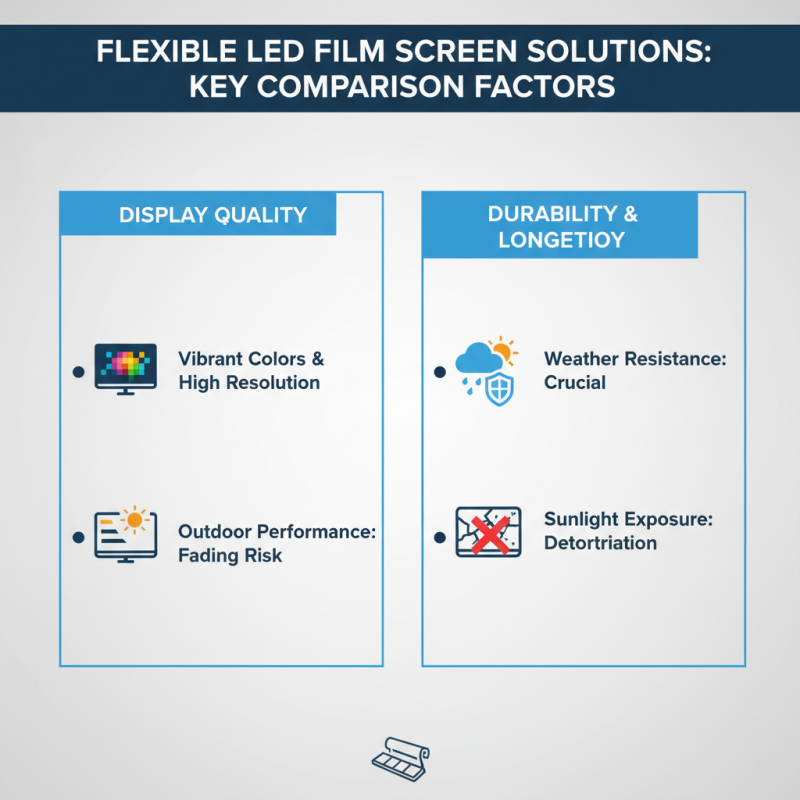
When exploring flexible LED film screen solutions, various factors come into play. One key consideration is the display quality. Many options boast vibrant colors and high resolution. However, not all screens perform well in outdoor settings. Weather resistance is crucial for longevity. Some models fade in sunlight, leading to unsatisfactory results.
Another vital aspect is installation flexibility. Lightweight designs are often easier to set up. This can be a game changer for event planners. Yet some screens are more challenging to connect and integrate than anticipated. Potential buyers should evaluate user reviews for real-world insights.
Moreover, durability and maintenance cannot be overlooked. While many screens are touted as durable, wear can occur more quickly than expected. Regular maintenance may be required. Some options allow for easy repair, while others may need complete replacement. When investing, buyers should understand the trade-offs between budget and quality.
Guidelines for Choosing the Right Flexible LED Film Screen
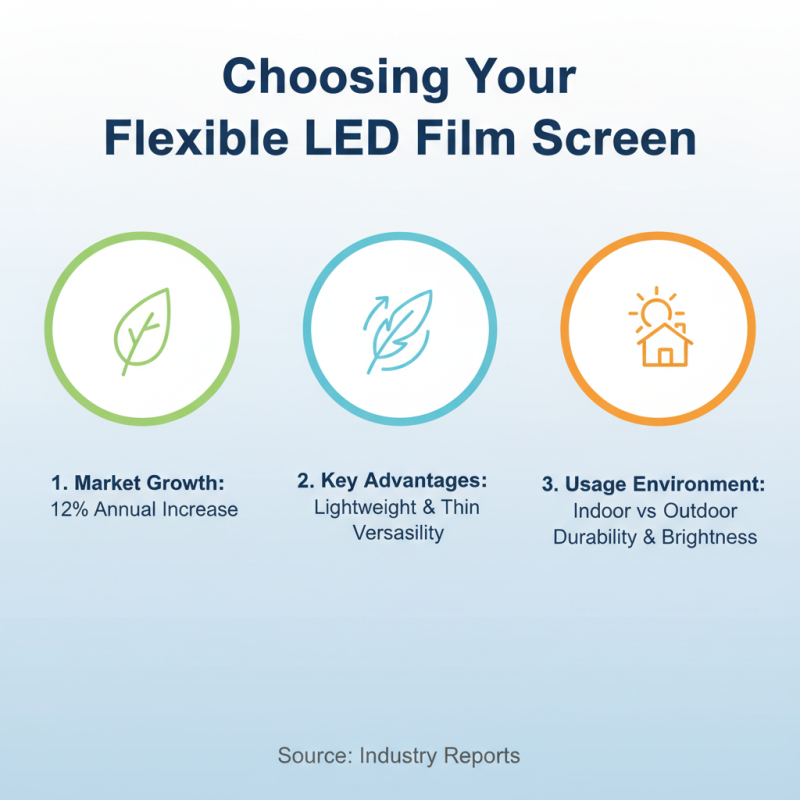
When considering flexible LED film screens, buyers must focus on several key factors. The market is growing rapidly; recent reports indicate an annual growth rate of 12% in the LED display sector. The lightweight and thin nature of flexible LED film significantly contributes to its versatility, making it ideal for various applications. However, potential buyers should consider where these screens will be deployed. Indoor versus outdoor use can affect durability and brightness requirements.
Brightness is a critical metric. The average brightness for outdoor displays often exceeds 5,000 nits, while indoor applications can operate effectively at lower levels. A mismatch here could lead to poor visibility or even pixel burnout. Additionally, resolution matters. High pixel density offers clearer images but can drive up costs. Buyers should think about their primary use case. A live event may require different specifications than a retail display.
Wattage and energy consumption also deserve attention. More efficient screens can reduce long-term operating costs. However, flexibility can sometimes mean compromises. Screens that are ultra-flexible may not deliver the same brightness or durability as their more rigid counterparts. Research shows that it’s normal for manufacturers to balance flexibility with performance limitations. Understanding these nuances will better equip global buyers to make informed purchases.