Best Flexible Transparent Display Module Innovations and Uses?
The rise of the Flexible Transparent Display Module marks a significant leap in technology. These innovative displays blend seamlessly into our environments. Their ability to maintain transparency while providing vivid visuals opens new possibilities across various industries.
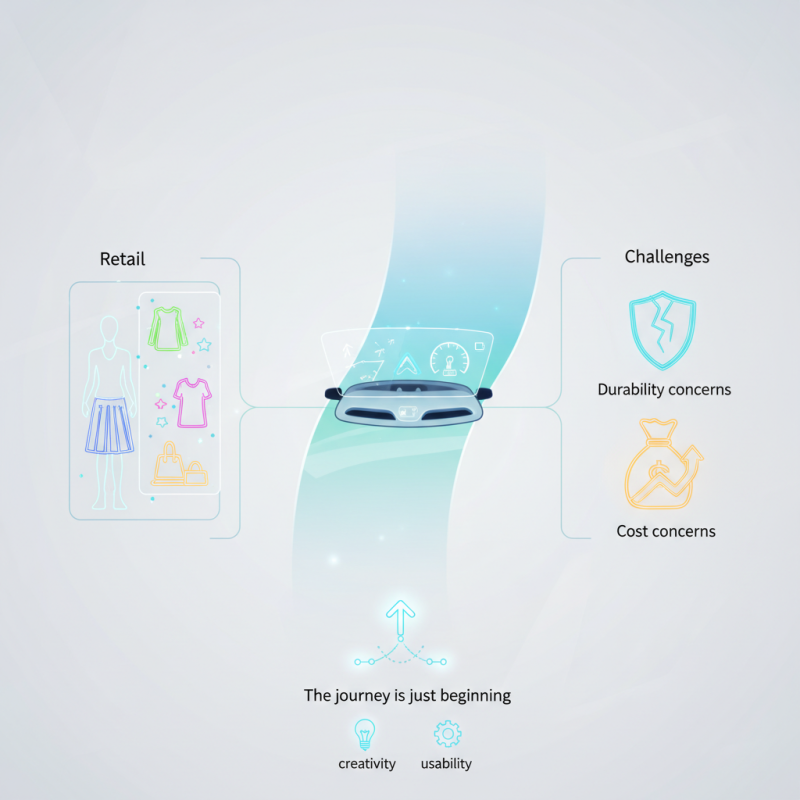
Consider retail spaces that want to enhance customer interaction. A Flexible Transparent Display Module can showcase products without obscuring the view. This technology is not just about aesthetics; it's about changing how we communicate ideas. However, challenges remain. Durability and cost are still concerns for widespread adoption.
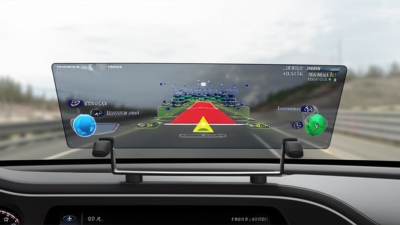
Using these displays in vehicles could redefine safety and information access. Drivers could see essential information without compromising visibility. Yet, the practicality of implementation requires careful consideration. As we explore these innovations, it’s essential to balance creativity with usability. The journey of Flexible Transparent Display Module technology is just beginning.
Overview of Flexible Transparent Display Technology
Flexible transparent display technology is evolving rapidly. This innovation integrates transparency into display functionality. The global market for flexible displays is projected to reach $30 billion by 2025, according to industry reports. This opens new avenues for applications across various sectors.
In architecture, flexible displays can transform windows into interactive interfaces. Imagine buildings featuring dynamic visuals, improving user engagement. In automotive industries, such displays show critical information on windshields. This enhances safety and driving experience. However, challenges exist, such as ensuring durability and visibility in bright sunlight.
Retail environments are another promising area. Flexible displays can wrap around products, providing real-time data. Digital signage becomes more engaging and informative. Yet, the costs and technological hurdles still need addressing. Developing standards for production is essential for scalability. These factors must be reflected upon as the industry moves forward.
Best Flexible Transparent Display Innovations and Uses
Key Innovations in Flexible Transparent Display Modules
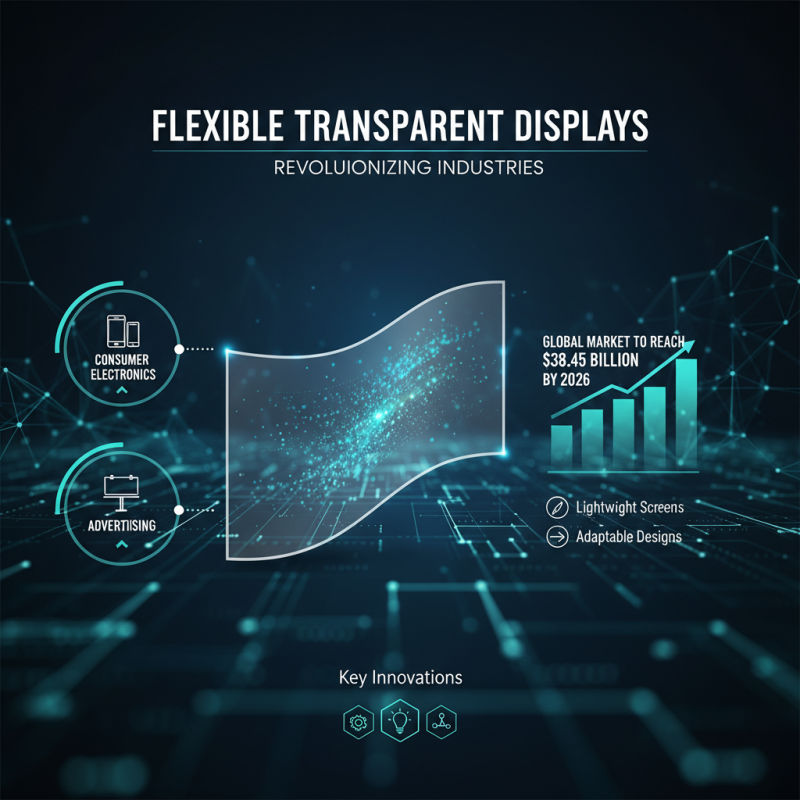
Flexible transparent display modules are revolutionizing various industries. These innovations combine flexibility with transparency, attracting attention in consumer electronics and advertising. According to recent industry reports, the global flexible display market is projected to reach $38.45 billion by 2026. This growth stems from increased demand for lightweight and adaptable screens.
Key innovations in these modules include advanced manufacturing techniques such as OLED and microLED. These technologies allow for vivid color reproduction while maintaining the lightweight nature of displays. Transparent displays find applications in retail, automotive, and augmented reality. For instance, retailers use these modules to create immersive advertising experiences, blending physical products with engaging digital content.
**Tip:** Explore augmented reality applications. Transparent displays can enhance user experiences by overlaying information in real time.
Yet, challenges remain. Manufacturing these displays is complex. Achieving uniform transparency and flexibility is crucial for success. Manufacturers face hurdles in maintaining low production costs while ensuring quality.
**Tip:** Test different prototypes. Iterative design processes are vital to overcoming technical challenges.
Applications of Flexible Transparent Displays in Various Industries
Flexible transparent displays are revolutionizing multiple industries. Their unique ability to blend functionality with aesthetics opens new horizons. In retail, these displays enhance customer experiences. A report from MarketsandMarkets indicates that the flexible display market is expected to grow to over $46 billion by 2025. This growth reflects the increasing adoption of flexible displays for advertising purposes.
In the automotive sector, flexible transparent displays serve as advanced HUDs (Heads-Up Displays). They provide vital information without obstructing the driver’s view. A study highlights that around 15% of vehicles will incorporate this technology by 2026. Yet, the challenge lies in achieving optimal visibility under varying lighting conditions.
Healthcare applications are also emerging. Hospitals utilize these displays for real-time monitoring. Surgical teams can access critical information without needing to look away. However, the integration process must address concerns about data accuracy and response time. The potential is enormous, but these concerns merit careful consideration.
Challenges and Limitations of Flexible Transparent Display Technologies
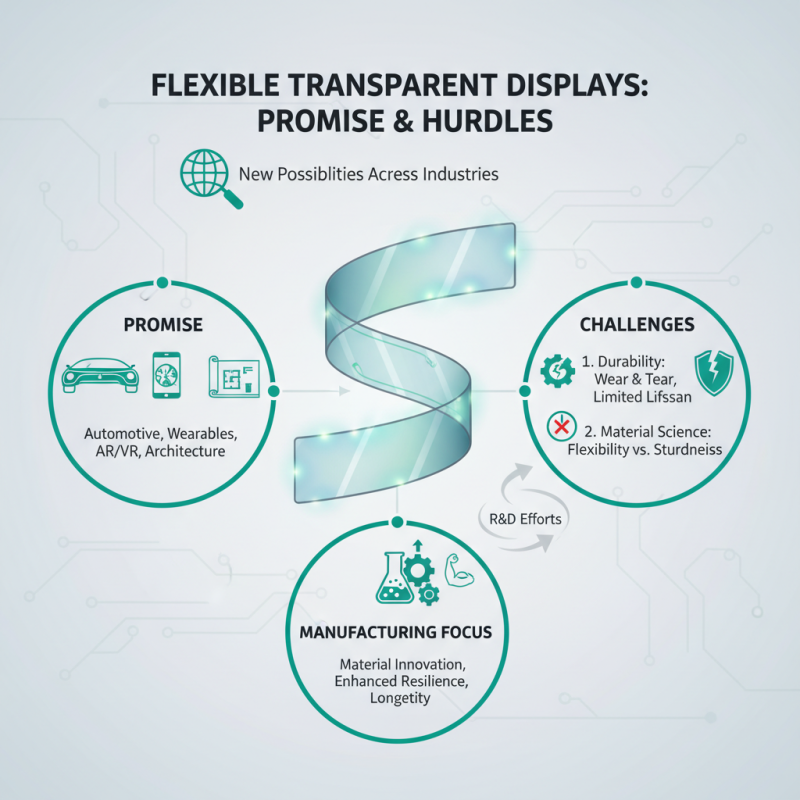
Flexible transparent display technologies promise new possibilities across various industries. However, they face several challenges. One primary issue is durability. These displays often suffer from wear and tear, which limits their lifespan. Manufacturers aim to improve materials to enhance resilience. Yet, finding the right balance between flexibility and sturdiness remains daunting.
Another challenge is visibility. Brightness and color accuracy can diminish when viewed at an angle. This limitation restricts their application in environments with variable lighting. To make these displays suitable for outdoor use would be a significant breakthrough.
Moreover, production costs are high. While considerable advancements have been made, scaling up production can be expensive. Companies must invest heavily to bring these technologies to the market affordably. Until more cost-effective solutions arise, flexible transparent displays may struggle for widespread adoption.
Future Trends in Flexible Transparent Display Innovations
Flexible transparent displays are captivating innovations in the tech world. They combine functionality with aesthetics, allowing for new applications in various industries. A recent report from Grand View Research predicts that the market for flexible displays could reach $1.2 billion by 2027. This growth indicates a strong trend toward versatile design solutions.
One intriguing area is smart glass technology. It enables windows that can switch from transparent to opaque. The energy efficiency potential is significant. However, the initial installation cost remains a barrier for many. Various sectors, including architecture and automotive, see the benefits, but widespread adoption still faces challenges.
Another promising trend is in retail. Interactive displays can attract customers in novel ways. These displays can integrate augmented reality, providing immersive experiences. According to a report from MarketsandMarkets, the demand for transparent displays in retail could grow at a rate of 32% over the next five years. However, achieving the right balance between clarity and interactivity requires further refinement. Many designs still lack the seamless touch capabilities users expect. This provides room for improvement.
Best Flexible Transparent Display Module Innovations and Uses - Future Trends in Flexible Transparent Display Innovations
| Innovation |
Description |
Applications |
Future Trends |
| Transparent OLED |
A display technology that allows light to pass through while displaying images. |
Retail displays, architecture, and vehicle dashboards. |
Integration with AR applications and smart city projects. |
| Flexible LCD |
A lightweight and bendable display option with high resolution. |
Wearable technology, smartphones, and automotive displays. |
Advancements in screen flexibility and durability for broader uses. |
| E-paper Displays |
Reflective display technology that mimics the appearance of ink on paper. |
Digital signage, electronic shelf labels, and e-readers. |
Increased adoption in advertising and reducing power consumption. |
| MicroLED Technology |
Displays composed of tiny LED elements that self-illuminate. |
High-end televisions, smart home devices, and wearable screens. |
Miniaturization for flexible surfaces and enhanced display capabilities. |