What is a Flexible Transparent Display Module and its Benefits?
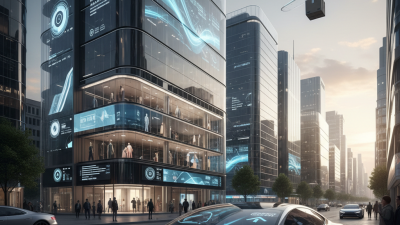
The emergence of the Flexible Transparent Display Module marks a significant innovation in the display technology sector. Experts like Dr. Emily Chen, a leading figure in advanced display research, highlight its potential: “This technology will redefine how we interact with our environments.” The Flexible Transparent Display Module combines flexibility with transparency, allowing it to be integrated into various surfaces and environments, from smartphones to smart windows.
This module's benefits are substantial. It opens up new avenues for design and functionality. Imagine a window that not only lets light in but also displays information. The transparency allows natural light while integrating digital content seamlessly. However, challenges remain. The production costs can be high, and long-term durability needs more research. Balancing performance and affordability is crucial in its widespread adoption.
Incorporating Flexible Transparent Display Modules into everyday life requires careful consideration. Potential applications are exciting, yet practicality must guide innovation. As the industry advances, experts will continue to debate the implications. This technology may offer groundbreaking solutions, but it is not without its hurdles.

What is a Flexible Transparent Display Module?
A flexible transparent display module represents a cutting-edge advancement in display technology. It blends innovative materials with design flexibility. Manufacturers create these modules using organic light-emitting diodes (OLEDs) and other lightweight materials, enabling screens to bend and wrap around surfaces. This technology allows displays to be integrated into various environments, such as smart windows or wearable devices, enhancing interaction with surroundings.
The benefits of these modules are expansive. They provide high visibility while maintaining transparency. This feature allows users to view displayed content without obstructing their view. Additionally, the lightweight nature contributes to the overall portability of devices. However, challenges remain in perfecting durability and image clarity. Users have reported issues with external glare under bright lighting conditions, which limits usability. Continuous improvements and testing are crucial to address these concerns and enhance performance.
Key Components of Flexible Transparent Display Technology
Flexible transparent display technology is on the cusp of revolutionizing various industries. This innovation allows displays to be both bendable and see-through. One of the key components driving this technology is organic light-emitting diodes (OLEDs). OLEDs contribute to flexible designs while maintaining high performance. According to a report by Markets and Markets, the global OLED market is projected to reach $49.9 billion by 2026, growing significantly.
Another crucial element is the use of advanced substrates. These substrates are made from materials like polyimide, which offer superior flexibility and transparency. Their ability to withstand bending without losing functionality is pivotal. Data from IDTechEx suggests that the flexible display market could see a compound annual growth rate (CAGR) of over 20% in the next five years.
However, developing cost-effective manufacturing processes remains a challenge. Currently, producing these displays on a large scale involves complexities that can inflate costs. Industry experts are studying ways to enhance production efficiency without sacrificing quality. Addressing these issues is crucial for future adoption in consumer electronics and automotive sectors. The journey of flexible transparent displays is ongoing, with potential benefits and hurdles to navigate.
Advantages of Flexible Transparent Displays in Various Industries
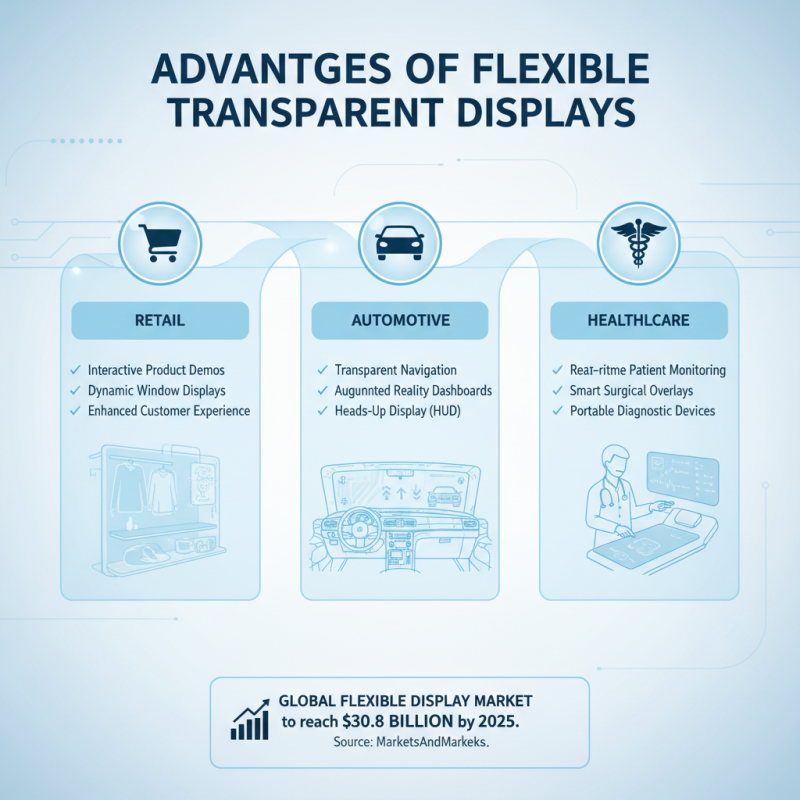
Flexible transparent displays are transforming various industries with their innovative design. In sectors like retail, automotive, and healthcare, these displays offer unique advantages. According to a report by MarketsandMarkets, the global flexible display market is projected to reach USD 30.8 billion by 2025, demonstrating a growing recognition of transparent display technology.
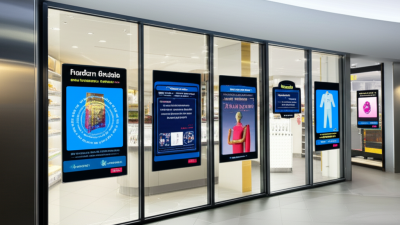
In retail, transparent displays enhance customer engagement. They can showcase products while allowing visibility through the screen. This creates an immersive shopping experience. A study by ResearchAndMarkets revealed that retailers utilizing these displays can increase sales conversion rates by up to 25%. However, the technology still faces challenges like durability and cost which industries must navigate carefully.
In the automotive sector, flexible transparent displays enable heads-up displays directly on windshields. This technology enhances driver safety by minimizing distractions. Meanwhile, the healthcare industry benefits from transparent displays in medical imaging, allowing for better patient diagnosis. Professionals must remain aware of the limitations in resolution and visibility under direct sunlight conditions.
**Tip:** Always evaluate the specific application of flexible displays to ensure a proper fit for your needs. Consider environmental factors that may affect visibility. Understanding the strengths and weaknesses of this technology can help in making informed decisions.
Market Trends and Growth Projections for Transparent Display Modules
The market for transparent display modules is witnessing remarkable growth, driven by the rise of advanced imaging technologies. According to a recent market analysis, the global transparent display market is expected to reach approximately $5 billion by 2028, expanding at a compound annual growth rate (CAGR) of over 20%. This growth reflects increased demand across various sectors, including retail, automotive, and healthcare.
Transparent display modules offer numerous benefits, such as enhanced user interaction and improved aesthetics. They allow digital content to be overlaid on the surrounding environment, creating an immersive experience. Such applications are becoming increasingly popular in advertising. Retailers are using transparent displays to showcase products without obstructing physical spaces. In 2023, transparent displays accounted for over 15% of the total display market share, indicating a significant shift towards innovative display solutions.
Challenges still exist, particularly in terms of cost. The technology to produce high-quality transparent displays remains expensive. This may limit accessibility for smaller businesses. Continuous research and development could help overcome these obstacles, paving the way for broader adoption. Stakeholders must stay informed about these emerging trends and work collaboratively to leverage transparent display technology.
Growth Projections for Transparent Display Modules (2023-2028)
Applications of Flexible Transparent Displays in Consumer Electronics and Beyond
Flexible transparent displays are revolutionizing consumer electronics. These displays can bend and stretch, offering new possibilities for product design. Imagine a smartphone that unfurls into a tablet or a wearable device that seamlessly integrates into clothing. The capabilities are endless.
In consumer electronics, these displays enhance user experiences. The transparent feature allows for augmented reality applications. Users can see digital information overlaying the real world. This technology is already being explored in heads-up displays for vehicles. Efficient use of space without compromising functionality makes this technology appealing.
Tips: When considering the implementation of flexible displays, reflect on potential challenges. For example, the durability of these screens remains a concern. If not properly protected, they might wear out quickly. Another aspect to consider is the impact on battery life. Integrating transparent displays could either enhance or deplete power efficiency.
Beyond consumer gadgets, flexible transparent displays find applications in retail. Digital signage becomes more engaging when it can morph and adapt. Imagine windows that display vibrant advertisements while allowing customers to see inside the store. This brews a connection between brands and consumers. However, it’s crucial to think critically about privacy implications in such public displays.