2026 How to Use Flexible Transparent Display Module for Innovative Designs?
The rise of Flexible Transparent Display Modules marks a significant shift in design possibilities across various industries. These advanced displays allow designers to integrate screens seamlessly into products, creating interactive experiences that were previously unimaginable. From retail environments to automotive applications, the potential is vast.
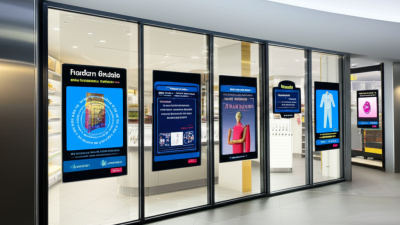
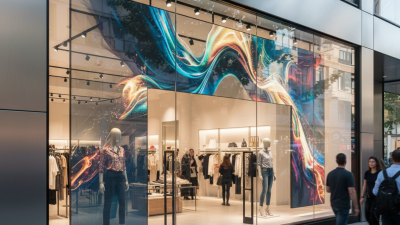
Using Flexible Transparent Display Modules, brands can enhance storytelling. Imagine storefronts that showcase dynamic ads while maintaining visibility inside. Such innovation invites consumers to engage with products on a deeper level. However, achieving this integration requires a thoughtful approach. Designers must consider functionality alongside aesthetics.
Despite the excitement, challenges remain. The technology is still evolving, and navigating its limitations is essential. Ensuring reliable performance without sacrificing flexibility can be daunting. As we embrace this innovative medium, it’s crucial to reflect on both the successes and obstacles of implementation. The journey is just beginning, and the way forward will shape the future of design.

Understanding Flexible Transparent Display Technology
Flexible transparent display technology is transforming the landscape of design innovation. This technology allows displays to bend and adapt seamlessly to various surfaces. Designers can create eye-catching products that integrate screens in unexpected ways.
For instance, imagine a window that also functions as an interactive display. Users could check weather or notifications while enjoying a view.
Understanding the workings of this technology is crucial. Flexible displays use organic light-emitting diodes (OLEDs) or micro-LEDs to create images. These materials allow for lightweight, thin screens that maintain visual clarity. However, the challenge lies in durability. As these screens bend, they may suffer from wear and tear faster than traditional displays. Designers must consider how to protect and prolong the life of their creations.
Developing practical applications requires experimentation and creativity. Designers must rethink how they integrate technology into everyday objects. While the potential is vast, solutions need rigorous testing. Designers might face obstacles in achieving both functionality and aesthetics. The technology is innovative, but it is not without its imperfections. Continuous feedback and iteration will play a vital role in refining these designs.
Potential Applications of Flexible Transparent Displays in Design
Flexible transparent displays are revolutionizing design across various sectors. These displays offer a unique blend of aesthetics and functionality. Designers can create visually stunning products that maintain practicality. For instance, envision a storefront window featuring vibrant graphics, while still allowing clear visibility of the products inside.
Tips: Consider how transparency affects user interaction. Balance visual impact with usability. Ask yourself: does it enhance the experience?
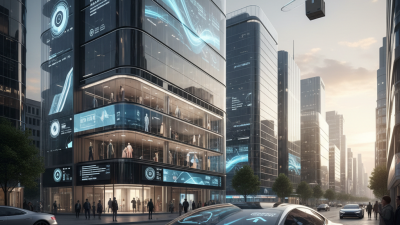
In architecture, transparent displays can be integrated into building facades. They could adjust based on sunlight, providing energy efficiency. Imagine a skyscraper that communicates information while blending with the skyline. This technology invites a new way to engage with urban spaces.
Tips: Experiment with layering effects. Think about how images change when viewed from different angles. Reflection might lead to unexpected surprises in design.
Design Principles for Integrating Flexible Transparent Displays
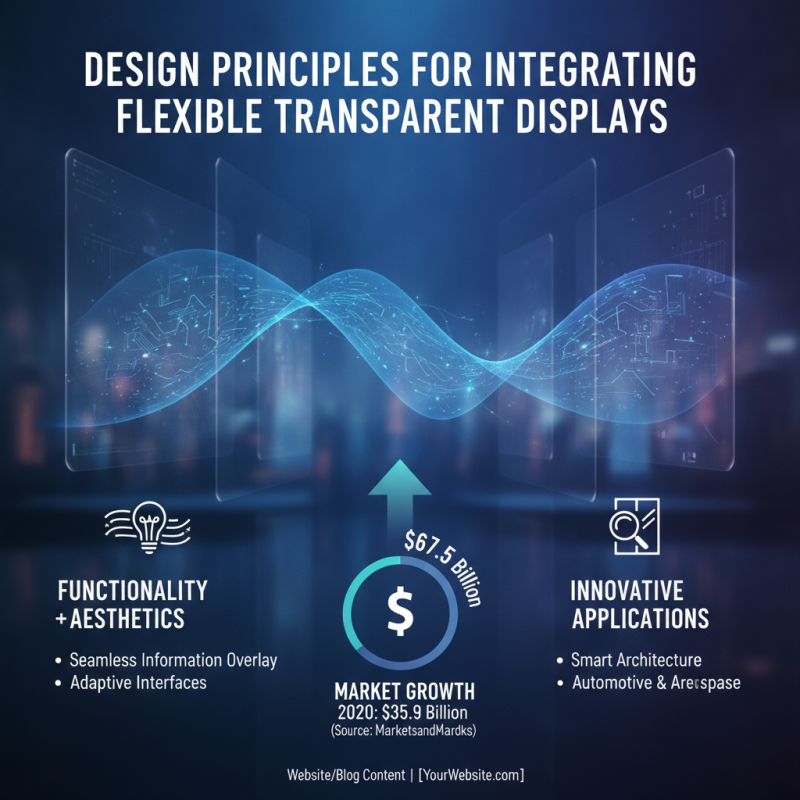
Integrating flexible transparent displays into design projects can be transformative. These displays blend functionality with aesthetic appeal, allowing for innovative applications. According to a report from MarketsandMarkets, the flexible display market is expected to grow from $35.9 billion in 2020 to $67.5 billion by 2025. This showcases the increasing demand for such technologies.
When incorporating flexible transparent displays, consider the design principles. Start by determining the primary purpose of the display. Will it be for information dissemination, advertisements, or artistic expression? Ensuring clarity and visibility is crucial. Keep in mind the surrounding lighting conditions, as they can greatly affect display performance. Balancing transparency and content richness can be challenging but essential.
**Tips:** Experiment with different display placements. Higher visibility often leads to better user engagement. Utilize software to simulate how the display will blend into the overall design. Regularly evaluate user interaction and adjust accordingly. Feedback loops can reveal areas for enhancement. Addressing the limitations of technology can lead to more refined user experiences. Remember, achieving the perfect design is an iterative process.
Challenges in Using Flexible Transparent Displays in Innovative Designs
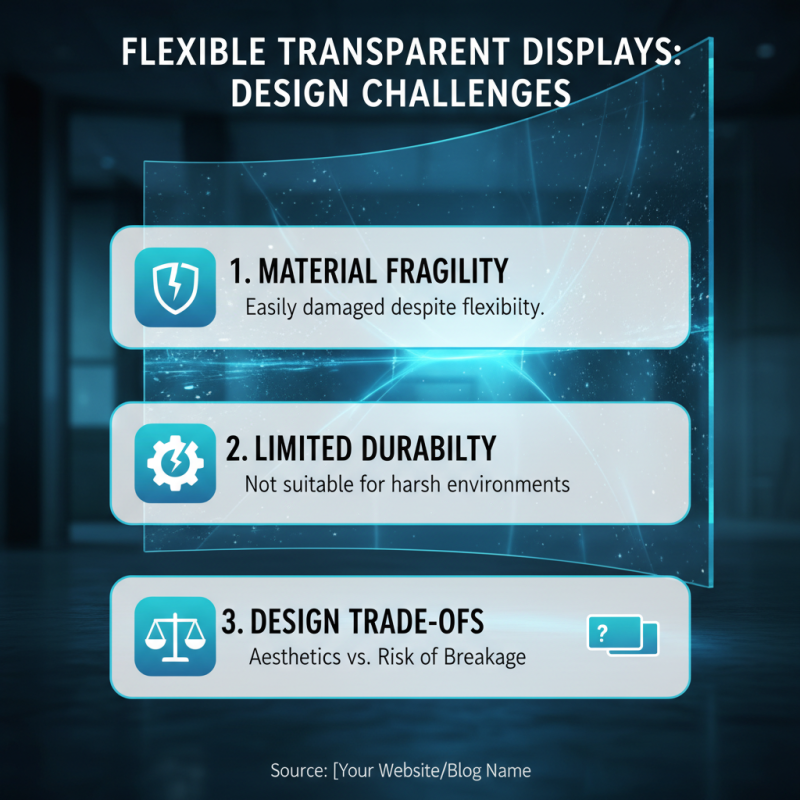
The use of flexible transparent displays offers exciting possibilities in innovative designs. However, several challenges remain. One major issue is the fragility of the materials. Despite their flexibility, these displays can be easily damaged. This fragility limits their applications in environments that demand durability. Designers must weigh the aesthetic benefits against the risk of breakage.
Another challenge is the cost of production. Flexible transparent displays often require advanced manufacturing processes. These processes can be expensive, making the final products pricey. This can hinder widespread adoption. Additionally, the technology for achieving optimal brightness and clarity is still evolving. Often, these displays do not perform as well as traditional options.
Light distribution presents a further concern. Achieving uniform brightness across the display surface is crucial. Designers might find that some areas are significantly dimmer than others, affecting overall aesthetics. Addressing these challenges requires ongoing research and innovation. Open-mindedness and creativity will play key roles in overcoming these obstacles. Effective collaboration among designers, engineers, and manufacturers can pave the way for more robust solutions.
Future Trends in Flexible Transparent Display Innovations
The future of flexible transparent displays is promising. Reports indicate that the market is projected to reach $3.5 billion by 2026. This growth stems from increased interest in innovative applications across different industries.
Flexible transparent displays can revolutionize design in architecture and automotive sectors. Imagine windows that can change opacity with a touch, enhancing privacy and aesthetics. Designers can merge technology seamlessly into environments. Still, challenges exist. Technical limitations and high production costs hinder widespread adoption. Feedback from industry experts suggests that continuous research is vital.
Moreover, user experience plays a crucial role. Feedback loops help designers understand user needs better. Novel applications may not always meet expectations. Companies must remain adaptable, incorporating user insights into future designs. As the industry evolves, maintaining a balance between innovation and practicality will be essential.