Why Choose a Flexible Transparent Irregular Display Screen?
In the rapidly evolving world of display technology, the "Flexible Transparent Irregular Display Screen" stands out as a beacon of innovation. Dr. Emily Chen, a leading expert in display engineering, emphasizes its potential: “This technology reshapes how we think about digital interaction.” With its unique design, this screen offers versatility that traditional displays cannot match. Imagine a screen that wraps around objects or seamlessly integrates into architectural features.
The allure of a Flexible Transparent Irregular Display Screen lies not just in its form, but in its practicality. These screens can adapt to various surfaces, providing captivating visuals while maintaining transparency. However, the implementation of such technology is not without challenges. Concerns about durability and production costs have sparked an ongoing debate among industry experts.
As we explore the advantages of this innovative display technology, it is vital to reflect on its limitations. Are we ready for the potential issues that may arise? The integration of "Flexible Transparent Irregular Display Screen" into our everyday lives could redefine user experience. Yet, understanding the balance between innovation and practicality will be crucial as we move forward.
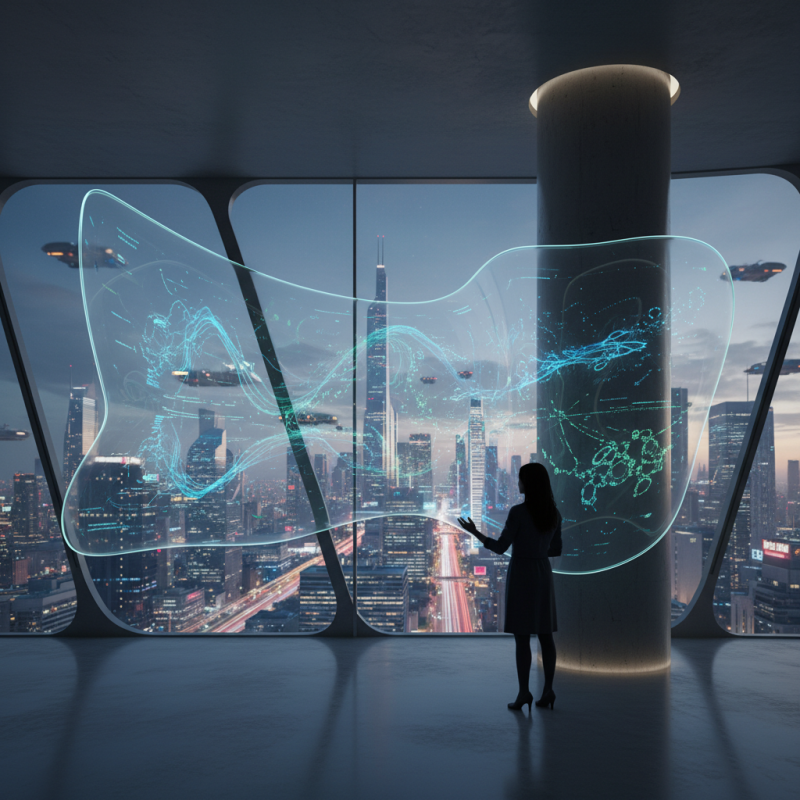
Benefits of Flexible Display Technology in Modern Applications
Flexible display technology is reshaping the way we interact with digital content. According to a report by MarketsandMarkets, the flexible display market is expected to reach $50 billion by 2025, illustrating the growing demand for innovative solutions. Modern applications benefit from this technology by enabling devices that are lightweight and durable. For instance, smartphones, tablets, and wearables now adopt these displays. They offer better screen design options, enhancing user experience.
Moreover, the ability to bend and shape screens opens new frontiers in various sectors. In automotive design, displays are integrated into curved surfaces, providing seamless controls and information access. The medical field is exploring flexible displays for advanced imaging. According to a recent study, 45% of healthcare professionals believe flexible technology can improve patient outcomes.
However, there are challenges. Manufacturing these displays is complex and costly. Issues related to durability and resolution persist, affecting adoption rates. Industry experts agree these problems need tackling before widespread use. Continuous research and development are crucial in overcoming these hurdles. As we move forward, the potential of flexible display technology remains promising, but it's vital to address its imperfections.
Why Choose a Flexible Transparent Irregular Display Screen? - Benefits of Flexible Display Technology in Modern Applications
| Feature |
Description |
Applications |
| Flexibility |
Can be bent or shaped to fit various forms. |
Wearable devices, curved displays. |
| Transparency |
Allows for visibility through the display. |
Retail displays, augmented reality. |
| Lightweight |
Reduces overall device weight. |
Mobile devices, drones. |
| Durability |
More resistant to shock and impact. |
Outdoor signage, industrial applications. |
| Energy Efficiency |
Lower power consumption compared to traditional displays. |
Sustainable technology in smart homes. |
Understanding Transparent Display Screens and Their Unique Features
Transparent display screens are revolutionizing how we interact with technology. These screens allow users to see through them while displaying vivid images and information. A recent market analysis reports that the transparent display market is projected to reach $2.8 billion by 2025. This growth is driven by applications in retail, automotive, and smart homes.
One unique feature of transparent displays is their ability to blend digital content with the physical world. This integration opens up new opportunities for advertising and interactive experiences. For instance, retailers can showcase products while allowing customers to see the store ambience behind the display. However, achieving optimal visibility and transparency remains a challenge. Users often find the color contrast lacking in certain environments.
Moreover, the flexible nature of irregular display screens enhances their usability. They can be curved and shaped to fit various designs, making them ideal for modern architecture. However, durability and manufacturing costs can be barriers. Ongoing development is crucial to address these concerns. The industry must focus on improving screen resilience while reducing production expenses to maximize the technology's potential.
Advantages of Flexible Transparent Irregular Display Screens
Exploring Irregular Display Shapes and Their Advantages
Irregular display screens have become a fascinating topic in modern technology. They stand out with their unique shapes and forms. The beauty of these screens lies in their flexibility and transparency. This allows designers to create displays that fit seamlessly into various environments. They can wrap around objects or conform to architectural features, enhancing the visual appeal of any space.
One advantage of irregular display shapes is their ability to captivate attention. A standard rectangular screen can be quite ordinary. In contrast, a screen with an unusual shape creates intrigue and draws viewers in. However, it’s worth noting that integration can be tricky. Designers must consider how to effectively use the display without overwhelming the overall aesthetic. The balance between innovation and functionality is delicate but essential.
Flexible screens also offer practical benefits. They are lightweight and easy to install. This flexibility means they can adapt to changing environments. Think about a gallery where displays can shift shape based on the artwork. While the technology is impressive, there may be concerns about durability. Irregular shapes might be more prone to damage in certain situations. Striking the right balance between creativity and practicality is crucial for future developments.
Key Industries Benefiting from Flexible Transparent Irregular Displays
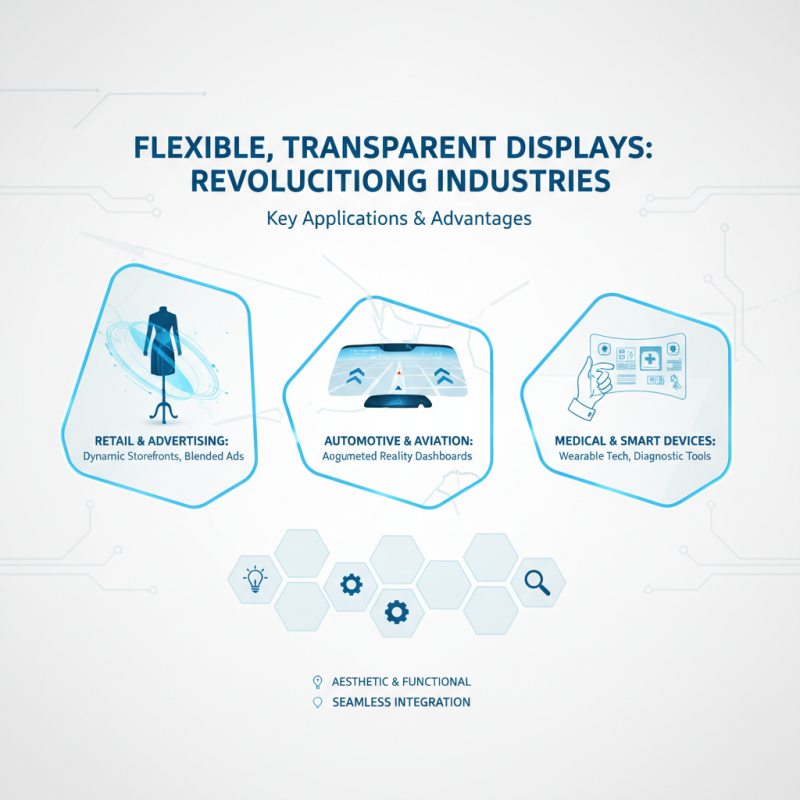
Flexible transparent irregular display screens are revolutionizing various industries. These displays offer unique aesthetic and functional advantages. Their ability to blend into environments makes them popular in retail. Imagine a storefront where products are visible while dynamic advertisements dance across the glass. Customers can see the merchandise without interference.
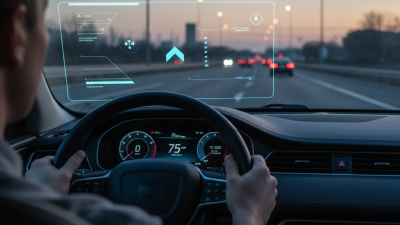
In the automotive sector, these screens are being integrated into vehicles. Picture a dashboard that provides real-time data while maintaining a clear view of the road. Flexibility allows for varying shapes, fitting into unconventional designs. This leads to exciting possibilities but also requires careful design and implementation. There might be challenges in ensuring durability and readability under different lighting conditions.
The architecture industry is exploring these displays too. Imagine buildings that interact with the environment through changing visuals. This can enhance energy efficiency while showcasing digital art. Yet, the technology needs refinement, especially in outdoor scenarios. Weather and temperature could affect performance. The potential is vast, but the journey requires ongoing iteration and feedback from users.
Future Trends in Display Technology: Flexibility and Transparency
The future of display technology is bright, with flexibility and transparency leading the charge. Irregular display screens can adapt to various shapes and surfaces. This adaptability opens doors to creative designs that can transform environments.
Flexibility allows displays to fit into unconventional spaces. Imagine curved screens wrapping around furniture or even walls. Transparent displays can blend seamlessly with surroundings. They can deliver content while maintaining visibility of the environment. This combination creates a unique experience.
Tips for using flexible transparent displays: Consider the lighting. Natural light can enhance the visibility of transparent screens. Placement is key; integrate the display into existing designs. Test different shapes for the best effect. Lastly, remember that not all designs will work perfectly. Embrace the learning process. It’s essential to try new ideas, even if they don’t always succeed. Each attempt brings valuable insights for future innovations.