Flexible Transparent Irregular Display Screen Tips for Innovative Applications?
The emergence of Flexible Transparent Irregular Display Screens marks a significant turning point in display technology. According to industry reports by MarketsandMarkets, the market for flexible displays is projected to reach $36.74 billion by 2024, highlighting a growing demand for innovative applications. These displays offer unique features, enabling designers to create immersive experiences that were previously unimaginable.
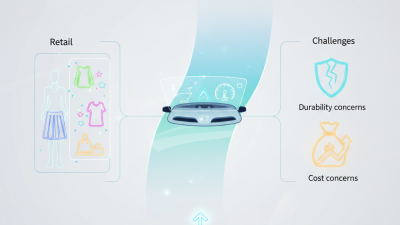
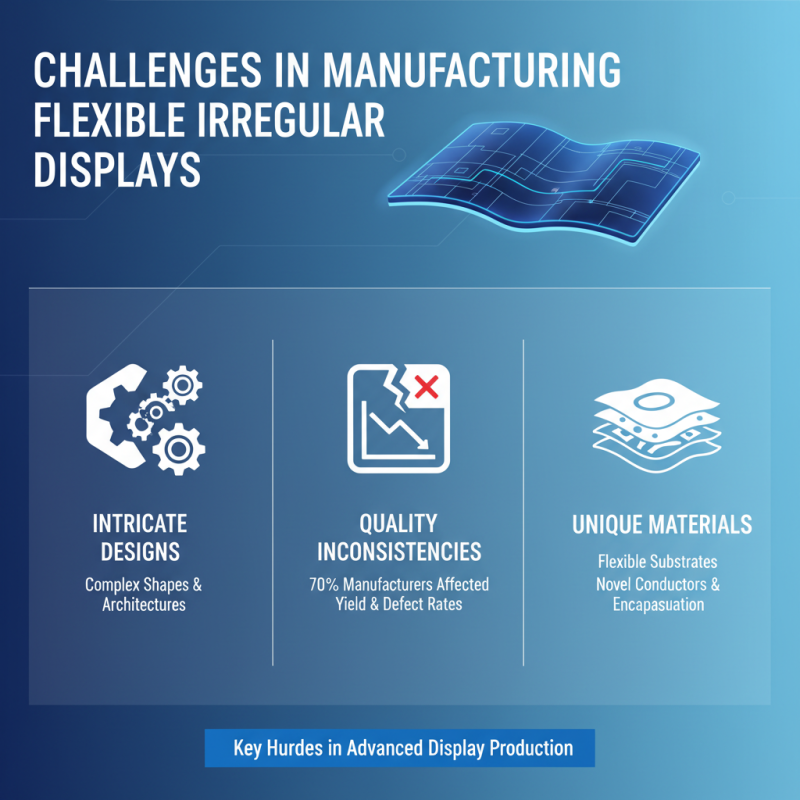
Dr. Emily Chen, a leading expert in display technology, states, “Flexible Transparent Irregular Display Screens will revolutionize how we design interactive environments.” Her insights reflect the industry's belief in the potential of these screens. However, challenges persist. The manufacturing process for such screens remains complex and costly. The need for improved durability and flexibility is evident in ongoing research.
Innovative designs promise to reshape retail, automotive, and entertainment sectors. Yet, the balance between creativity and practicality is crucial. The industry must focus on refining these technologies while ensuring reliability and affordability. Embracing imperfections in design can lead to unique solutions. This calls for careful evaluation and innovation in the use of Flexible Transparent Irregular Display Screens.

Flexible Display Technology: Overview and Market Trends
The flexible display technology is rapidly evolving. It is crucial to understand the current market trends. Manufacturers are exploring irregular designs and transparent materials. These innovations open doors for unique applications across various sectors. The rise in demand for versatile displays is reshaping product design.
Users can benefit from a few tips. Consider the material carefully. Durability and flexibility should be balanced. Think about the target audience. Different demographics might prefer different display features. Innovators should test prototypes extensively. Understanding user interaction can lead to significant improvements.
Furthermore, staying updated with technology advancements is essential. Regularly check industry reports for insights. Networking with professionals in flexible displays can yield great ideas. There’s always room for creativity. Reflect on past projects to identify what worked or didn’t. This iterative approach is vital for successful innovations.
Flexible Transparent Irregular Display Screen Tips for Innovative Applications
| Dimension |
Value |
Description |
| Thickness |
0.2 mm |
Ultra-thin flexible display panel |
| Transparency |
85% |
High transparency for versatile applications |
| Bend Radius |
5 mm |
Flexible enough to bend to various shapes |
| Lifespan |
50,000 hours |
Long-lasting performance for commercial use |
| Color Range |
16.7 million colors |
Vivid color reproduction for immersive experience |
| Market Growth Rate |
15% CAGR |
Projected annual growth for the next 5 years |
Key Materials Used in Flexible Transparent Displays
Flexible transparent displays are at the forefront of innovation. Key materials used in these displays play a crucial role. For instance, organic light-emitting diodes (OLEDs) offer high transparency and flexibility. These materials are essential in applications ranging from wearable devices to automotive displays. Reports indicate that the global flexible display market is projected to reach $41.17 billion by 2026, highlighting the demand for advanced materials.
Another vital component is the substrate. Materials like polyimide (PI) and polyethylene terephthalate (PET) provide durability while maintaining flexibility. The efficiency of these materials dictates the performance of the display. A challenge remains in balancing flexibility with optical quality. Manufacturers often face difficulties in ensuring that shifts in temperature do not degrade performance.
Tips: It’s important to test various material combinations. Explore new polymers for enhanced mechanical strength. Regularly assess material performance under real-world conditions. These steps can mitigate the risks of material failure and improve reliability in innovative applications.
Innovative Applications: Use Cases in Retail and Advertising
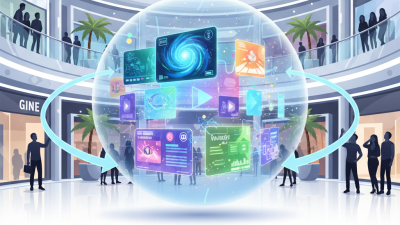
The rise of flexible transparent irregular display screens is transforming retail and advertising landscapes. These innovative screens captivate consumers with their unique designs and functionality. They are not just devices; they create immersive environments that draw attention. Imagine walking into a store where displays change based on consumer interactions. This level of engagement can significantly enhance shopping experiences.
For retailers, the use cases for these displays are vast. They can showcase products dynamically, offer promotions in real-time, or even create ambient visuals that shift with seasonal themes. Such adaptability allows brands to communicate messages more effectively. The irregular shapes further break the monotony, making displays memorable. Retailers should think beyond traditional advertising; integrating interactive elements could foster deeper connections with customers.
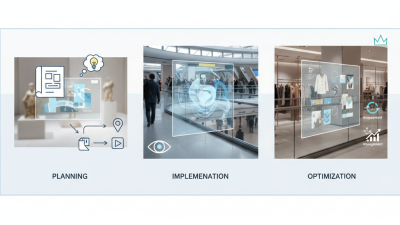
When adopting these technologies, consider practical tips. Start with small installations to gauge audience reactions. Experiment with content relevance. Use data analytics to track engagement. This iterative approach helps in refining the implementation. However, it’s crucial to remember that audience preferences can be unpredictable. Flexibility and adaptability in strategy are essential to evolve with changing consumer behaviors.
Market Projections: Growth and Future of Flexible Display Screens
The market for flexible display screens is growing rapidly. These screens adapt to various shapes and sizes, enhancing user experience. With advances in materials and technology, manufacturers create products that are lighter and more durable. Irregular shapes allow for unique designs in wearable tech and home decor.
Projections indicate a significant surge in demand. The global flexible display market could reach record figures in the next few years. As consumers seek innovation, companies must focus on quality and functionality. However, challenges persist in production costs and material durability. Companies need to balance these issues while meeting consumer expectations.
Research suggests that ergonomics and aesthetics will drive future innovations. Understanding user preferences is essential. Flexible screens have the potential to change how we interact with devices. Yet, there are concerns about reliability and longevity. Moving forward, the industry must address these factors for sustainable growth in flexible display technology.