Why Choose Flexible Transparent Led Film Screen for Modern Displays?
The demand for innovative display technologies is surging. In recent years, the market for Flexible Transparent LED Film Screens has gained significant attention. This technology allows for vibrant visual experiences while maintaining transparency. The global digital signage market is projected to grow to $31.71 billion by 2025, highlighting the rising need for such solutions.
Flexible Transparent LED Film Screens provide unique advantages for modern displays. They can transform windows into dynamic advertising spaces. This not only enhances brand visibility but also preserves the interior ambiance of retail spaces. Major retailers have reported a 25% increase in customer engagement after implementing this technology.
Despite its benefits, adopting Flexible Transparent LED Film Screens can pose challenges. The installation process requires skilled professionals. Additionally, not all buildings can support these screens without structural modifications. Businesses must weigh the technology's advantages against potential costs. As the market evolves, ongoing research will help address these obstacles and optimize performance further.
Benefits of Flexible Transparent LED Film Screens in Modern Displays
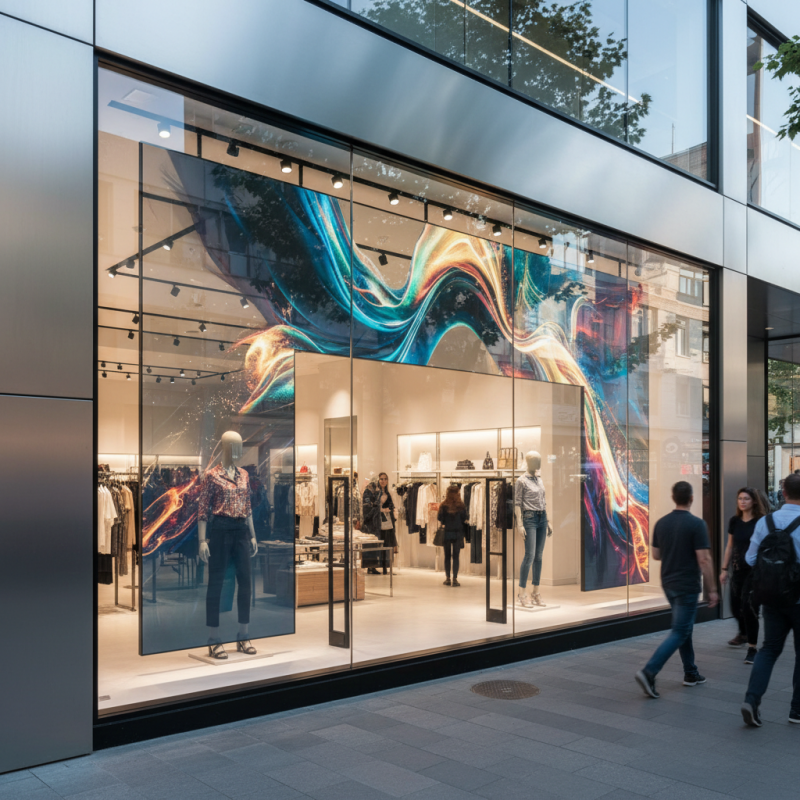
Flexible transparent LED film screens are transforming the world of modern displays. These screens offer a unique blend of visibility and versatility. They can be applied to various surfaces, such as windows or walls, allowing for creative installations. Designers and businesses are drawn to their ability to blend seamlessly into environments, creating eye-catching displays without obstructing views.
One notable benefit is their lightweight nature. This results in easier installation and maintenance. The transparency of the LED film allows natural light to pass through. This is essential in locations like retail spaces, where maintaining ambiance is crucial. However, there are challenges too. If not calibrated correctly, images can lose clarity in bright sunlight. Attention to detail is key for achieving optimal performance.
Durability is another significant aspect. Flexible LED screens are built to last, yet they can be prone to damage if improperly handled. The material can be scratched, affecting display quality. As technology advances, continuous innovation is necessary to address these vulnerabilities and enhance user experience. The potential of flexible transparent LED film screens in modern displays is exciting, yet future progress must navigate existing limitations.
Key Features of Flexible Transparent LED Film Screens
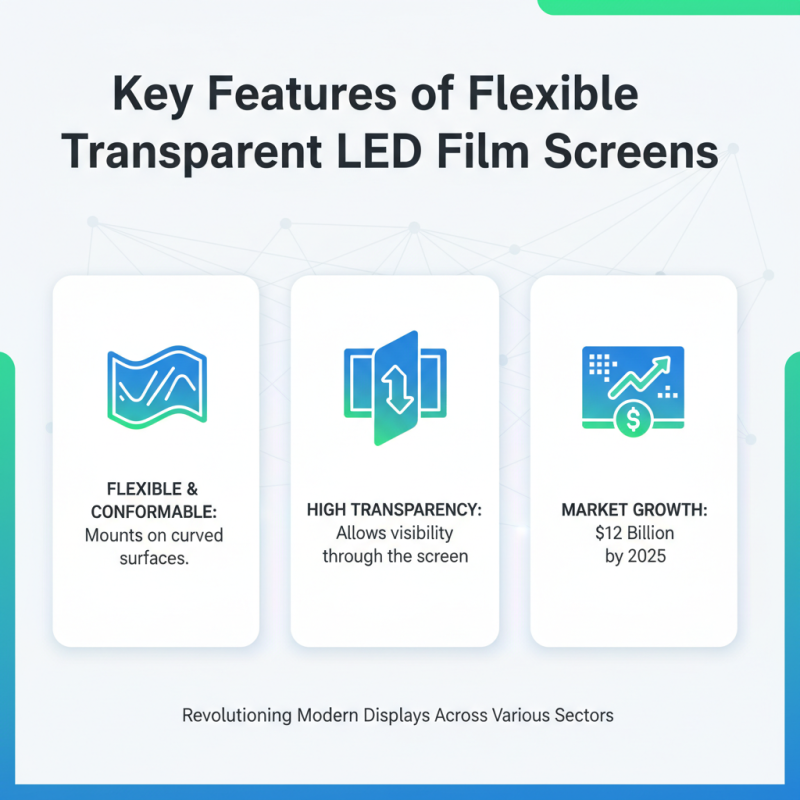
Flexible transparent LED film screens are revolutionizing modern displays. These screens provide a unique blend of flexibility and visibility. According to a recent industry report, the global market for transparent displays is expected to grow to $12 billion by 2025. This growth highlights the increasing demand for innovative display solutions in various sectors.
One key feature is their lightweight design. Weighing significantly less than traditional glass displays, the LED film can be applied to various surfaces. This versatility allows businesses to adapt spaces without heavy installations. Additionally, the brightness of these screens can reach 3,000 nits. This makes them visible in bright environments. However, some users have reported challenges with color accuracy under direct sunlight. It's crucial to consider these factors when choosing the right display.
Moreover, the flexibility of the LED film allows for unique applications. Businesses can create eye-catching displays that bend and shape around objects. A report from an industry analyst noted that creative installations using flexible screens can boost customer engagement by up to 40%. Yet, the complexity of installation may pose challenges for some users. Training and skilled labor can be required to ensure optimal use and performance. Investing in transparent LED technology is undoubtedly promising but comes with its hurdles.
Applications of Flexible Transparent LED Film Screens in Various Industries
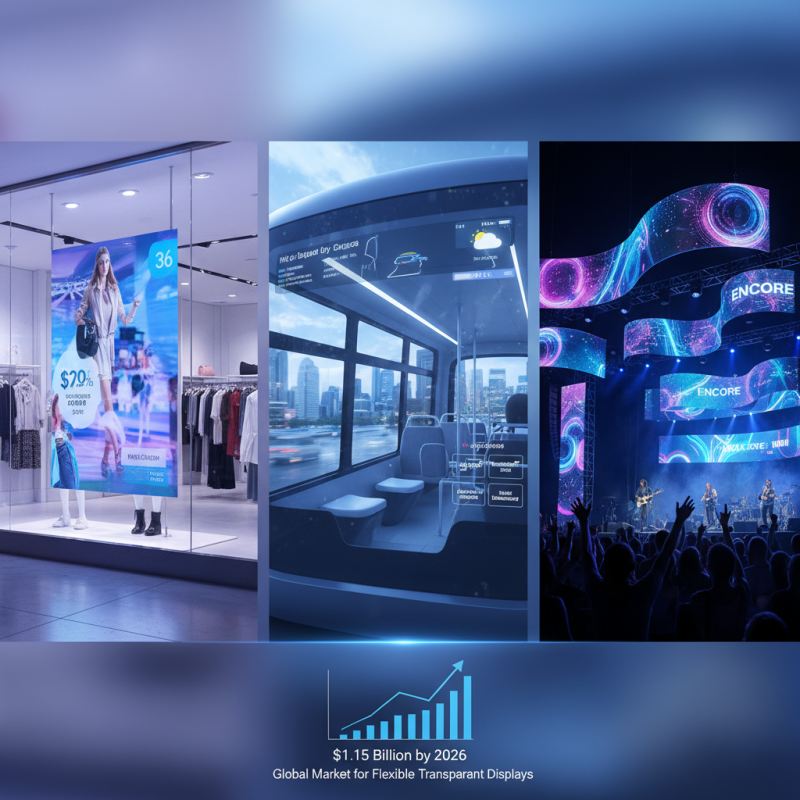
Flexible transparent LED film screens are becoming vital in various industries. These screens offer unique advantages in retail, transportation, and events. The global market for flexible transparent displays is expected to reach $1.15 billion by 2026, according to a recent report by ResearchAndMarkets. This indicates a growing demand driven by the need for innovative advertising solutions.
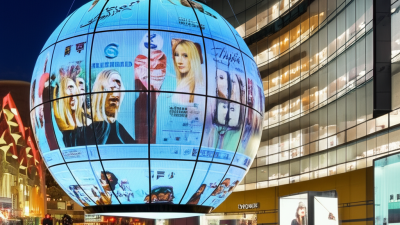
In retail, these screens create immersive experiences. Imagine a storefront where products are showcased through vibrant visuals without sacrificing visibility. This approach engages customers effectively. Studies show that engaging displays can increase sales by up to 30%. In transportation, transparent screens enhance safety and communication. They deliver real-time information without obstructing the view, but implementation can be challenging. The technology must integrate smoothly with existing systems.
Events and exhibitions benefit significantly from flexible transparent screens. They create stunning backdrops and interactive displays. However, the initial setup can be complex. Designers must balance aesthetics and functionality. As industries adapt, the implementation of these screens continues to evolve. It's crucial to evaluate their effectiveness with every deployment.
Comparison of Flexible Transparent LED Film Screens with Traditional Displays
When comparing flexible transparent LED film screens to traditional displays, several factors come into play. Flexibility is a standout feature. Traditional screens are rigid and can be challenging to install in unique spaces. In contrast, flexible LED screens can bend around corners, fitting various environments seamlessly. This adaptability opens new design possibilities for modern architecture and advertising.
Another significant difference lies in transparency. Traditional displays often obstruct a view, whereas transparent LED film allows for visibility behind the screen. This quality is ideal for retail spaces, where products can be showcased alongside digital content. By blending art and technology, brands can engage customers in innovative ways.
Tips: Think about lighting. Proper illumination enhances visibility. Also, consider the installation environment. A space too bright or too dark might affect screen effectiveness. Finally, test before finalizing decisions to ensure the display meets all expectations. Choosing the right technology can be complex. Consider all aspects before making a commitment.
Why Choose Flexible Transparent Led Film Screen for Modern Displays? - Comparison of Flexible Transparent LED Film Screens with Traditional Displays
| Feature |
Flexible Transparent LED Film Screen |
Traditional Display |
| Transparency |
High transparency (up to 80-90%) |
Low transparency (opaque) |
| Flexibility |
Highly flexible, can fit on any surface |
Rigid structure, limited installation options |
| Weight |
Lightweight |
Heavy |
| Installation |
Easy to install on various surfaces |
Complex installation process |
| Brightness |
High brightness even in daylight |
Brightness can vary with lighting conditions |
| Applications |
Retail windows, exhibitions, modern architecture |
Standard signage, billboards, indoor displays |
| Cost |
Moderate cost, varies with size |
Generally higher initial cost |
Future Trends in Flexible Transparent LED Film Technology
Flexible transparent LED film technology is paving the way for innovative display designs. This technology allows for the creation of screens that are not only lightweight and thin but also versatile. As urban environments evolve, the need for unique advertising solutions grows. Transparent displays can blend seamlessly into various settings, enhancing both aesthetic and functional aspects.
Future trends indicate a rise in interactive transparent displays. Imagine storefronts where customers engage directly with advertisements. These films can showcase dynamic visuals without obstructing views. However, challenges remain. The durability of such materials must improve for long-term use. There's also the need for better power efficiency. Potential users may find the initial investment steep, which can limit adoption in certain markets.
Transparency in design will further influence consumer preferences. Users are looking for immersive experiences that traditional screens can't provide. As competition increases, exploring sustainable practices within this technology becomes vital. Designers must consider not just the wow factor but also the user experience and environmental impact.