Best Tips for Choosing a Car Mounted Transparent Screen?
Choosing the right Car Mounted Transparent Screen can significantly enhance your driving experience. According to recent industry reports, the global market for in-car displays is projected to reach $20 billion by 2025. This growth reflects the increasing demand for advanced driver-assistance systems (ADAS) and in-vehicle technology.
Selecting a transparent screen involves more than just aesthetics. Quality is crucial. Many consumers overlook the importance of resolution and brightness. A display must be clear and readable in various lighting conditions. Research shows that user-friendly interfaces contribute to safer driving practices.
While designs may be appealing, ensure the screen is compatible with your vehicle's systems. Improper integration could lead to usability issues. It’s also critical to consider the screen size. A large display can provide more information but may distract drivers. Striking the right balance is essential for safety. Always prioritize functionality and reliability when choosing a Car Mounted Transparent Screen.
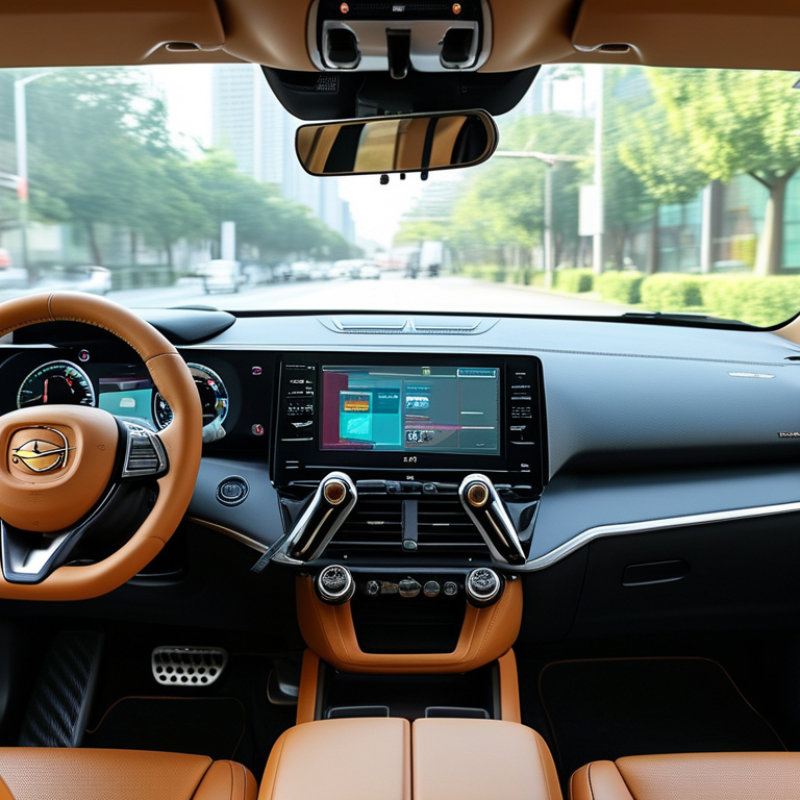
Understanding the Importance of a Car Mounted Transparent Screen
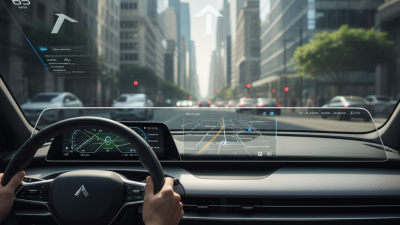
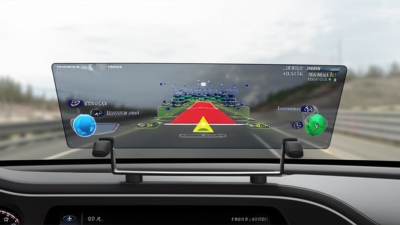
A car mounted transparent screen can significantly enhance your driving experience. It provides essential information without distracting the driver significantly. Such screens minimize the need to look down at dashboards or handheld devices. This convenience helps maintain focus on the road, ultimately improving safety.
When selecting a transparent screen, consider visual clarity. Look for screens that are bright and provide good contrast in various lighting conditions. Additionally, ensure that the screen size fits well within your line of sight. A screen that is too large can obstruct your view.
Another important tip is to consider ease of installation. Some models require professional installation. Choose a product that offers DIY options if you prefer a straightforward setup. This choice can save time and unnecessary cost. Lastly, check user reviews for insights into the experiences of other drivers. Their feedback can guide you in finding a reliable and effective option.
Best Tips for Choosing a Car Mounted Transparent Screen
| Feature |
Importance |
Tips |
| Screen Size |
A larger screen allows for better visibility and ease of use. |
Choose a size that fits your vehicle and is easy to see while driving. |
| Resolution |
Higher resolution provides clearer images and information. |
Opt for at least HD resolution for optimal clarity. |
| Touchscreen Capability |
Ease of interaction while driving. |
Look for responsive screens that are easy to operate. |
| Mounting Options |
Flexible mounting ensures stability and visibility. |
Consider adjustable mounts that can be positioned conveniently. |
| Connectivity |
Allows integration with smartphones and other devices. |
Check for Bluetooth, Wi-Fi, or USB connectivity options. |
| Brightness |
Essential for visibility in various lighting conditions. |
Look for screens with adjustable brightness settings. |
Key Features to Look for in Transparent Screens for Vehicles
When selecting a car-mounted transparent screen, several key features warrant consideration. Display clarity is paramount. According to a recent industry report, 78% of users find high-resolution displays essential for driving safety. A crystal-clear image reduces eye strain, allowing for quick visual access to critical data.
Next, consider the screen's responsiveness. Touch sensitivity should be seamless to ensure smooth operation while driving. Research indicates that 65% of drivers prefer screens that react quickly to touch commands. Moreover, screen size matters. A well-sized display enhances visibility without obstructing the driver's view. Aim for screens that balance size and functionality effectively.
In addition, connectivity is vital. The best transparent screens integrate well with various devices. This ensures that features like navigation and music control are easily accessible. Industry studies show that 72% of users prioritize devices with Bluetooth and Wi-Fi connectivity. While the technology is helpful, it's not without flaws, as some screens may struggle in bright sunlight. These are crucial considerations to keep in mind during your selection process.
Evaluating Compatibility with Your Vehicle's Interior
When choosing a car mounted transparent screen, compatibility with your vehicle's interior is crucial. Measure the dimensions of your dashboard. Consider the screen's size and how it fits in that space. A well-fitted screen is both functional and aesthetically pleasing. Check if the screen blocks any essential controls or displays. This will ensure safety and usability.
Different vehicles have unique designs and layouts. Look for screens that can adapt to varied angles and mounting positions. Some screens may require additional adapters or brackets. Evaluation of materials used in both vehicle and screen is essential. Strong, durable materials will ensure longevity. Look for screens that reflect the vehicle's overall style. Incompatibility can lead to visual clutter or distraction while driving.
Installation processes may vary. Some mounts are user-friendly, while others may need professional help. Do not rush when deciding. Take your time to research user reviews and expert opinions. A screen that looks good but lacks functionality is not worth the investment. Evaluate the best options for your vehicle and your driving habits.
Assessing Display Quality: Brightness, Resolution, and Clarity
When choosing a car mounted transparent screen, display quality is paramount. Brightness directly affects visibility. A brighter screen ensures clear reading, especially in sunlight. Consider looking for screens with adjustable brightness to enhance usability.
Resolution plays a crucial role as well. Higher resolution displays provide sharper images and better details. If the screen’s resolution is low, important information may become hard to read. Aim for screens that offer full HD or higher for optimal performance.
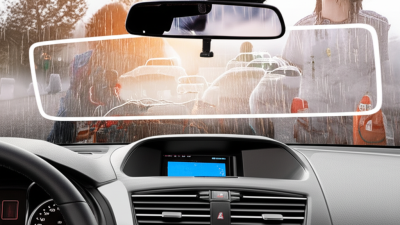
Clarity is essential for usability. A screen with good clarity minimizes glare and reflection. This ensures you can view messages and navigation easily under various lighting conditions. Choosing a screen with anti-reflective technology can make a noticeable difference.
Tip: Always test the display in real scenarios before purchasing. Visit showrooms where you can see how screens perform in bright settings. Reflect on your personal needs and preferences to find the best match.
Car screens should not only meet basic visibility needs but also enhance your driving experience. A poorly chosen screen can distract rather than help. Focus on what truly works for you.
Assessing Display Quality for Car Mounted Transparent Screens
Installation and Maintenance Tips for Car Mounted Screens
When installing a car mounted transparent screen, consider the location carefully. Choose a spot that offers a clear view without obstructing your field of vision. An ideal placement is just below the rearview mirror. This allows easy access without distracting the driver. Ensure that the screen is secure and that it can withstand vibration from the road.
During installation, follow the manufacturer's guidelines closely. Use the right tools to avoid damaging the vehicle’s interior. adhesive mounts are popular but may come loose over time. Regularly check for stability, especially if you drive frequently on rough terrains. Dust and dirt can also accumulate on the screen. A microfiber cloth works well for regular cleaning.
User familiarity with the screen is vital for effective use. Practice navigating the menu and settings. Many users overlook updates and software improvements, which can enhance functionality. If the screen glitches, check connections first. This may seem trivial, but loose wires can cause significant issues. Regular maintenance ensures longevity and optimal performance.