Top 10 Applications of Flexible Transparent Display Modules You Need to Know
The advent of Flexible Transparent Display Modules has revolutionized the landscape of visual technology, enabling a new wave of innovative applications across various industries. According to a recent market report by ResearchAndMarkets, the global flexible display market is expected to reach $60 billion by 2025, driven by advancements in manufacturing techniques and an increasing demand for enhanced user experiences. The capability of these modules to blend seamlessly into their environment while providing dynamic and interactive displays opens numerous possibilities in sectors such as retail, automotive, and architecture.
Flexible Transparent Display Modules represent a significant shift in how digital information can be presented in everyday life. For instance, their integration into smart windows, signage, and wearable technology exemplifies the versatility and functionality these displays offer. A study by MarketWatch indicates a compound annual growth rate (CAGR) of 30% in the adoption of transparent display technology, highlighting the growing interest from businesses seeking to create immersive and engaging consumer experiences. As industries strive to meet the demands of an increasingly digital and connected world, the exploration of the top applications of Flexible Transparent Display Modules is both timely and essential, unveiling the transformative impact they hold for the future of display technology.

Overview of Flexible Transparent Display Modules and Their Technology
Flexible transparent display modules represent a significant innovation in display technology, combining versatility with transparency to create dynamic visual experiences. These modules are crafted from lightweight materials that can be bent and shaped while maintaining high optical clarity. This allows for integration into various surfaces and forms, making it possible to apply them in diverse environments, from automotive displays to interactive storefronts. The underlying technology often involves advanced OLED or LCD materials, which enable high resolution and vibrant colors while ensuring that the displays remain see-through.
The technology behind flexible transparent displays also includes the development of innovative substrates and encapsulation methods that enhance both durability and performance. Regarded as a breakthrough for augmented reality and advertising, these displays can overlay digital information onto the real world without obstructing the view. Additionally, their energy efficiency positions them favorably for sustainable design applications, as they consume less power compared to traditional display technologies. As these modules evolve, their potential applications are expected to expand, paving the way for new interactions and enhanced user experiences across multiple industries.
Top 10 Applications of Flexible Transparent Display Modules
This chart illustrates the various applications of flexible transparent display modules across different sectors, showcasing their potential impact and usage frequency.
Key Applications in Consumer Electronics and Smart Devices
Flexible transparent display modules are revolutionizing consumer electronics and smart devices by enabling innovative designs and functionalities. These displays provide a seamless integration of technology into everyday objects, enhancing the user experience significantly.
One prominent application is in smartphones and tablets, where manufacturers are leveraging flexible displays to create curved screens that offer better ergonomics and increase screen real estate without enlarging the device size. This technology allows for an immersive viewing experience, while also enabling thinner and lighter devices that cater to the growing demand for portability.
Moreover, in the realm of smart home devices, flexible transparent displays are making their mark by being integrated into appliances such as refrigerators and mirrors. A transparent display on a refrigerator door can provide essential information like recipes, inventory, or even personalized content, without hindering visibility into the appliance's interior. Similarly, smart mirrors utilize flexible displays to show pertinent data such as weather updates, calendar events, and even makeup tutorials, all while maintaining the functionality of a traditional mirror.
As the demand for interactive and visually appealing devices continues to rise, flexible transparent displays promise to be at the forefront of this technological evolution, paving the way for futuristic designs and applications in various consumer electronics.
Innovative Uses in Advertising and Marketing
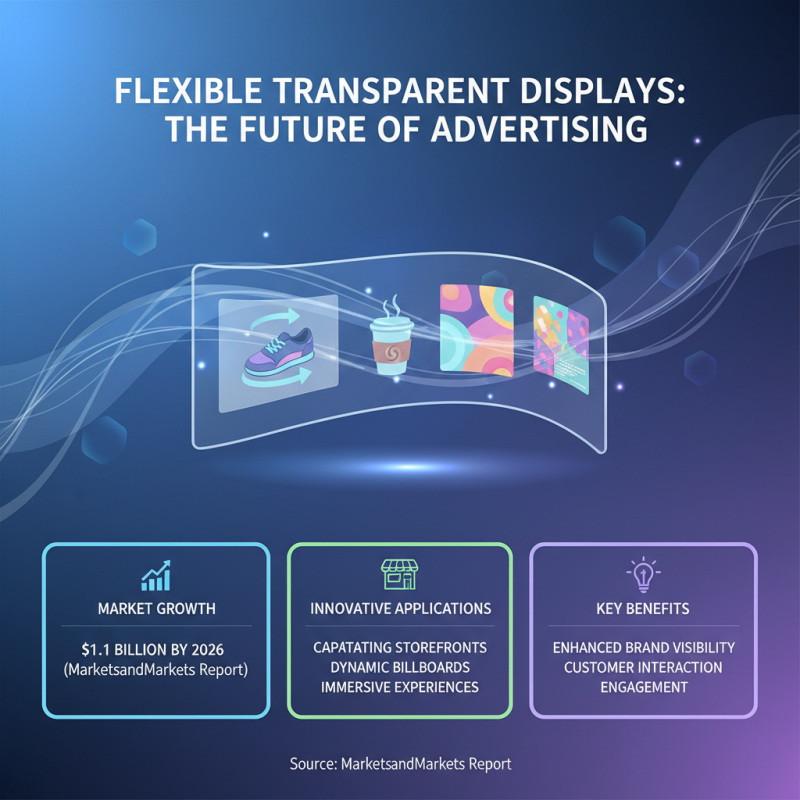
Flexible transparent display modules are revolutionizing the advertising and marketing landscape, providing advertisers with innovative ways to engage consumers. According to a recent report by MarketsandMarkets, the global market for transparent displays is expected to reach $1.1 billion by 2026, reflecting the growing demand for eye-catching and interactive marketing solutions. Businesses are leveraging these displays to create captivating storefronts, dynamic billboards, and immersive marketing experiences that enhance brand visibility and customer interaction.
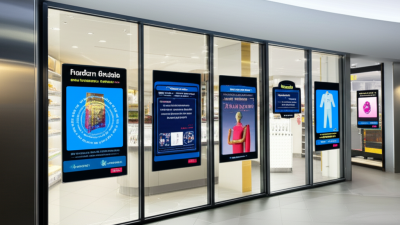
With the ability to blend seamlessly into existing environments, flexible transparent displays allow for creative advertising strategies that were previously unimaginable. For instance, retailers can showcase product videos on store windows, converting them into interactive advertising panels that can respond to passersby. Such displays have shown a 30% increase in foot traffic, as noted in a study by the Digital Signage Federation. This trend highlights how utilizing transparent displays not only enhances aesthetics but also drives consumer engagement in a way that traditional advertisements cannot.
Tip: When implementing flexible transparent displays for marketing purposes, consider integrating motion sensors that trigger dynamic content based on viewer proximity. This will enhance interactivity and ensure that your advertisements capture the attention of your target audience effectively.
Another important aspect to consider is the use of augmented reality features that can be incorporated with transparent displays. By allowing consumers to interact with a virtual representation of products, brands can provide a memorable and immersive shopping experience. Research from Gartner indicates that by 2025, over 70% of retail brands will invest in augmented reality solutions, reinforcing the significance of integrating cutting-edge technology into marketing strategies.
Flexible Displays in Automotive and Transportation Industries
The integration of flexible transparent display modules in the automotive and transportation industries is revolutionizing how information is conveyed to both drivers and passengers. These displays can be seamlessly incorporated into vehicle windows and dashboards, offering real-time data without obstructing traditional views. For instance, a flexible display can serve as a dynamic heads-up display, providing essential navigation and speed information directly on the windshield. This innovation enhances visibility while allowing for a more streamlined design, minimizing distraction for the driver.
Moreover, flexible displays can transform the passenger experience by creating interactive windows that provide entertainment options, educational content, or even ambient information about the surroundings. This technology allows transportation providers to engage passengers in new ways, making commutes and travel more enjoyable and informative. As the transportation landscape evolves, the ability of flexible transparent displays to blend functionality with aesthetic appeal will continue to play a crucial role in redefining the overall user experience in vehicles, ensuring that both safety and comfort are prioritized.
Future Trends and Potential Developments in Display Technology
The rapid evolution of flexible transparent display technology is set to transform various industries, from automotive to consumer electronics. According to a recent report by Allied Market Research, the global market for flexible displays is projected to grow at a compound annual growth rate (CAGR) of 25.4%, reaching an estimated $64.1 billion by 2026. This surge is driven by advancements in materials science and engineering, allowing the production of lighter, more efficient, and visually appealing displays. The integration of organic light-emitting diode (OLED) technology with flexible substrates is also enhancing the potential for innovative designs, making screens more adaptable to various surfaces and applications.
Future trends indicate a strong push toward the development of smart surfaces that can not only display information but also interact with users in real-time. Industry experts forecast that by 2025, approximately 30% of all displays will be flexible and transparent, enabling groundbreaking applications such as augmented reality interfaces in everyday settings. Furthermore, as sustainability becomes a focal point in technology, the shift to eco-friendly materials in display modules is anticipated, aligning with global efforts towards reducing electronic waste. With ongoing research and collaboration across fields, flexible transparent displays are on the cusp of revolutionizing how we engage with digital content, paving the way for immersive and interactive experiences in our daily lives.