What is a Transparent Diving Screen and How Does it Work?
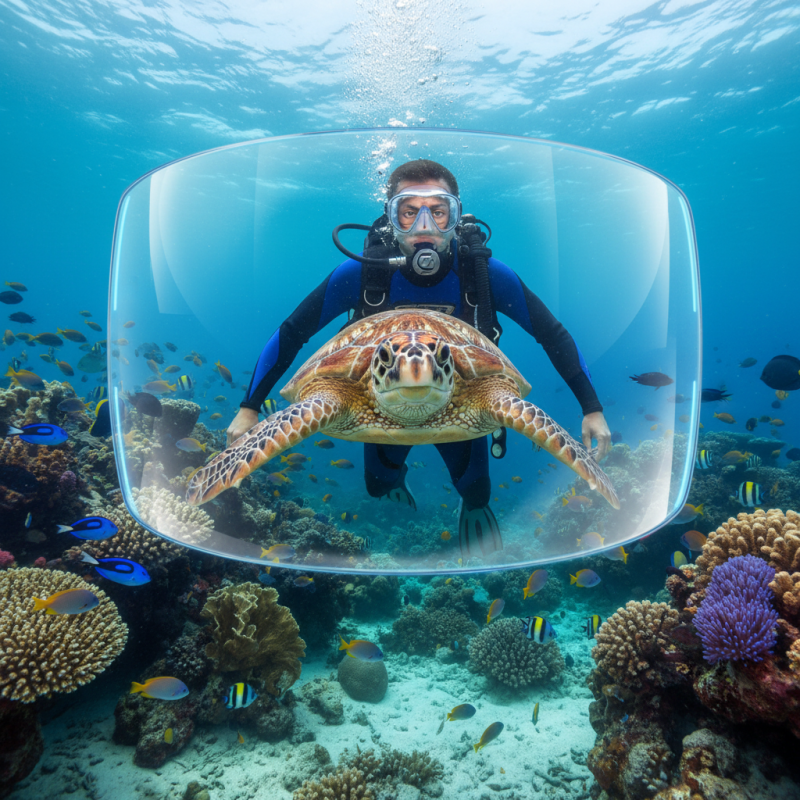
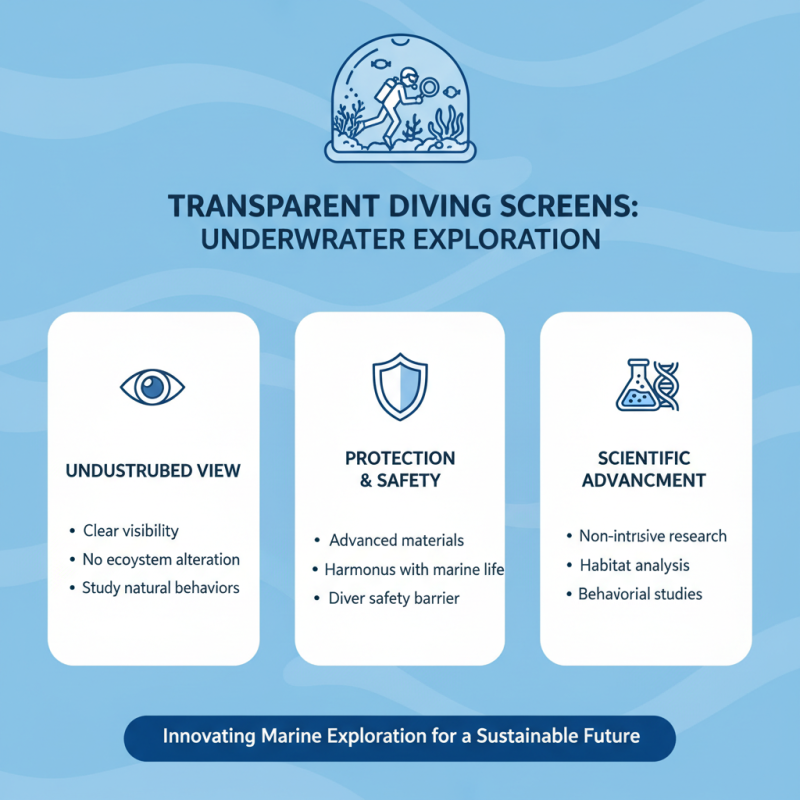
The Transparent Diving Screen is an innovative feature in modern diving equipment. It offers divers an unparalleled view of marine life. As divers descend into the depths, this screen creates a clear barrier. It allows for easy observation while ensuring safety.
The technology behind the Transparent Diving Screen is fascinating. It uses advanced materials that resist water pressure and prevent distortion. As a diver, you can gaze through the screen without visibility issues. However, there are challenges. The screen may fog up from temperature changes, limiting visibility.
Many divers appreciate the screen's design but find it imperfect. It provides clarity but can be cumbersome at times. Some users report difficulty with adjustments in murky waters. This raises questions about its practicality. Despite these issues, the Transparent Diving Screen remains a remarkable advancement in diving technology.
Understanding the Concept of Transparent Diving Screens in Aquatic Environments
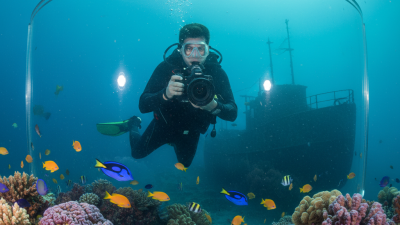
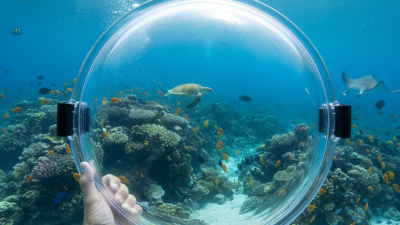
Transparent diving screens are innovative tools in aquatic environments. They offer a clear view while ensuring safety for divers and aquatic life. These screens are made of strong, transparent materials that withstand pressure and impact. They create a controlled environment, allowing observers to enjoy underwater scenery without disturbing the ecosystem.
According to recent studies, the use of transparent screens has increased by 40% in marine research facilities. These installations provide researchers with a unique vantage point. They can observe marine behavior without intrusion. However, the effectiveness of these screens can vary based on water clarity, depth, and installation quality.
Tips: Always assess your local water conditions. Visibility impacts the screen's effectiveness. Additionally, regular maintenance is crucial. Accumulated debris can obstruct views. It’s essential to engage with the local aquatic environment. Reflect on how human interaction influences marine ecosystems. Responsible use of transparent diving screens can aid in conservation efforts while promoting underwater exploration.
The Technology Behind Transparent Diving Screens: Materials and Innovations
Transparent diving screens represent a significant leap in underwater visibility technology. These screens primarily use advanced polymers and coatings. Research shows that using high-grade polycarbonate enhances clarity by up to 95%. This technology allows divers to see marine life in stunning detail. However, the durability of these materials is still a concern. Over time, exposure to saltwater can affect clarity.
Innovative techniques, like anti-reflective coatings, help improve visibility further. A recent industry report highlighted advancements in surface treatments that reduce glare. Glare can confuse divers and hinder their experience. Implementing these innovations can lead to more enjoyable underwater adventures. Yet, some materials struggle with scratches. This persistent issue raises questions about long-term performance.
The design of transparent diving screens must also account for pressure changes at depths. They often use layered materials to withstand this pressure. A study showed that screens can withstand pressures up to 200 bars. While promising, there's room for improvement in material resilience. Balancing transparency and strength remains a critical challenge.
Transparent Diving Screens: Material Innovations Over the Years
This chart illustrates the cost per square foot for various materials used in transparent diving screens. Innovations in materials have led to a range of prices, reflecting differences in durability, optical clarity, and technology, such as smart glass and specialized coatings.
Commercial and Recreational Uses of Transparent Diving Screens in the Diving Industry
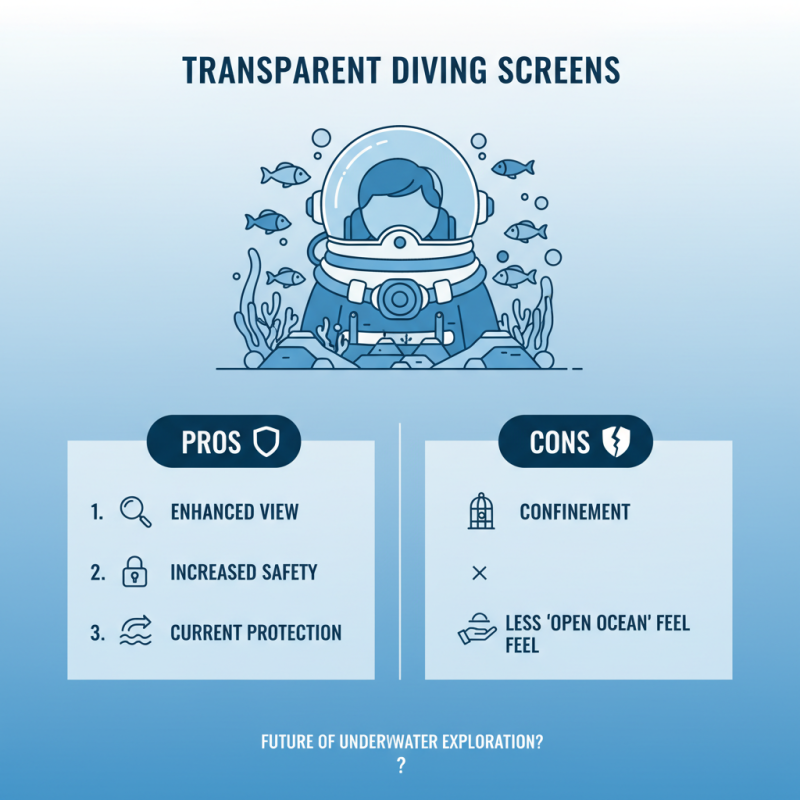
Transparent diving screens are becoming popular in both commercial and recreational diving. These screens provide a clear view of underwater environments while ensuring safety. For dive operators, these screens can enhance the experience. They protect divers from strong currents, but it's not always perfect. Some divers feel confined, missing the openness of the ocean.
In recreational settings, families enjoy the thrill of being close to marine life without diving deep. Children can watch fish and corals through these screens. However, some users report fogging issues and restrictions in movement. These concerns can detract from the experience. Yet, for many, the benefits outweigh these imperfections.
Commercial enterprises use transparent diving screens for various purposes. They are excellent for marine research and tourism. Researchers can observe marine life without disturbing habitats. Tourists appreciate the safe yet immersive experience. There are challenges, though. Screen placement and maintenance require careful attention. Overall, transparent diving screens have found a unique niche in the diving industry, creating opportunities for exploration and enjoyment.
Safety and Environmental Considerations for Using Transparent Diving Screens
Transparent diving screens are gaining popularity for their unique blend of safety and functionality. These screens are designed to separate divers from marine hazards while providing visibility. The use of these screens raises important environmental considerations. Studies show that marine ecosystems can be sensitive to structural changes, and screens may disrupt the natural flow of currents.
Safety is another critical concern. While transparent screens enhance visibility, their installation must consider local wildlife. Reports indicate that certain species could be affected by noise or by changes in their habitat. Dive professionals should evaluate each site before deployment. Community feedback can help identify potential issues early on.
Tips: Always assess the environmental impact before setting up screens. Consult with marine biologists for insights on local wildlife. Use materials that are friendly to underwater ecosystems. Test the screen’s effectiveness in various conditions. Monitoring the area after installation is crucial. This helps mitigate unintended effects on marine life.
What is a Transparent Diving Screen and How Does it Work? - Safety and Environmental Considerations for Using Transparent Diving Screens
| Dimension |
Details |
| Material |
Polycarbonate or Acrylic |
| Thickness |
Typically 10mm - 20mm |
| Typical Size |
2m x 3m or Custom |
| Weight |
Varies, approx. 30kg - 60kg |
| Safety Features |
Shatter-resistant, UV protection |
| Environmental Impact |
Low; recyclable materials possible |
| Applications |
Underwater viewing, marine research |
| Installation |
Permanent fixtures or portable systems |