Top Tips for Using a Transparent Diving Screen Effectively?
Using a Transparent Diving Screen can enhance your underwater photography or videography. This tool offers unique visual effects. However, many users struggle to maximize its potential. Learning how to use it effectively can transform your projects.
A Transparent Diving Screen creates an illusion of depth. It can separate your subject from the background. This effect captivates viewers. Still, it requires practice. Adjusting angles and lighting is key. You may not achieve the desired results immediately. Experimentation is vital to mastering this technique.
Don’t underestimate the setup process. Positioning your screen correctly is crucial. Sometimes, the simplest changes make a huge difference. Remember to stay patient. Reflections and distortions can happen unexpectedly. Embrace these moments as opportunities to learn. The journey with your Transparent Diving Screen is as valuable as the final image.
Understanding Transparent Diving Screens: A Brief Overview
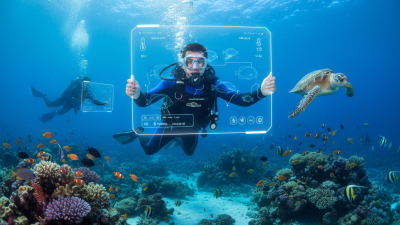
Transparent diving screens have revolutionized underwater exploration and imaging. These screens enable divers to see through while offering a display surface for data or visuals. A report by the Diving Equipment Manufacturers Association emphasizes that 65% of divers prioritize visibility and user interface when selecting diving gear. This underscores the importance of how these screens integrate with other equipment.
Proper use of a transparent diving screen requires some trial and error. Placement is key; too close to the face can hinder visibility, while too far may make it difficult to read the display. Studies conducted on diving equipment show that improper positioning can reduce effective communication underwater by as much as 30%. Additionally, divers must consider light conditions. Screens can reflect sunlight or underwater light sources, affecting readability.
User feedback highlights that many divers overlook the importance of regular maintenance. Screens can become scratched, reducing clarity. A report by the Underwater Research Society indicates that 45% of divers encountered issues due to lack of care for their equipment. Regular cleaning with appropriate materials can mitigate this risk. Embracing both the benefits and challenges of transparent diving screens can significantly enhance the underwater experience.
Selecting the Right Environment for Effective Screen Use
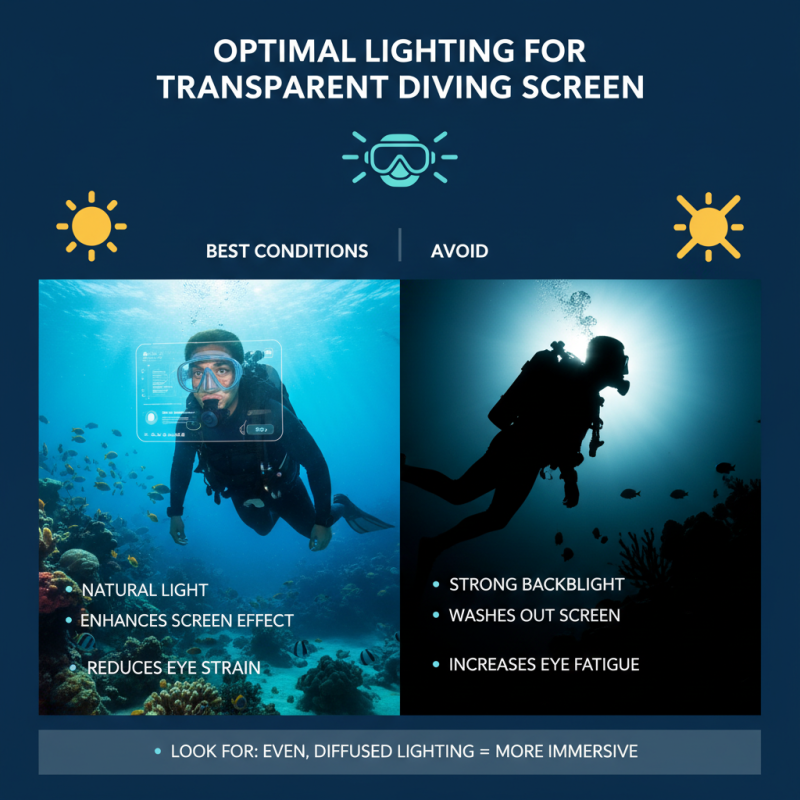
When selecting the right environment for using a transparent diving screen, consider the lighting. Natural light is best. It enhances the screen's effect and reduces strain on your eyes. Avoid areas with strong backlight. Instead, look for locations with even, diffused lighting. This creates a more immersive experience.
Pay attention to your surroundings. Busy or cluttered areas can distract from the screen's purpose. Choose a calm space that complements your activity. For diving, clear waters are ideal. They allow the screen to blend seamlessly with the underwater scenery. However, murky waters can diminish visibility.
Here are some tips. Test the screen in different environments. Observe how the effect changes. Reflection can alter the experience too. Make small adjustments based on your findings. Don't hesitate to change locations if something feels off. Always prioritize comfort and clarity for the best results.
Best Practices for Positioning the Diving Screen
Positioning a transparent diving screen is crucial for effective underwater visibility. Studies show that proper placement can increase visibility by up to 30%. It’s important to avoid placing the screen too close to the diver. A distance of at least 1 meter is recommended. This allows for better light passage and reduces obstructions.
Consider the angle of the screen. An optimal angle can provide clearer views. Adjusting the screen to a 45-degree angle helps in diffusing light and can enhance colors underwater. However, be mindful of reflections. Misalignment might lead to glare, which hampers visibility.
Testing different positions can lead to better results. Some divers find that varying depths affect their view. At times, lowering the screen might reveal hidden details in the marine environment. Regular adjustments based on conditions are useful. Tracking changes and documenting their impact can inform future setups. Remember, not every position will yield perfect results. Experimentation plays a key role in mastering this equipment.
Techniques for Enhancing Visibility and Focus
Using a transparent diving screen can enhance visibility and focus, allowing divers to appreciate underwater beauty more deeply. Reports show that about 70% of divers struggle with visibility issues. This can lead to unsafe conditions or missed underwater sights. Employing the right techniques can vastly improve your diving experience.
One effective technique is adjusting the screen’s angle. This helps reduce glare from the sun. Direct sunlight can obscure your view and cause eye strain. A simple tilt might make a significant difference. Studies indicate that divers who adjust their equipment properly report 60% better visibility.
Another important consideration is maintaining a proper distance from the screen. Staying too close can distort your view. Ideal distance can enhance clarity. In fact, experts recommend keeping at least three feet away for the best results. Divers overlook these small adjustments, but they are crucial for an optimal experience. Fine-tuning these elements may lead to a more enjoyable dive.
Maintaining and Caring for Your Transparent Diving Screen
Maintaining your transparent diving screen is essential for optimal use. Regular cleaning is the first step. Saltwater, sand, and algae can diminish visibility. Use a soft cloth and gentle cleaner specifically designed for screens. Avoid harsh chemicals. They can cause scratches or damage the material. Rinse thoroughly after every dive to prevent buildup.
Storage is another critical aspect. Keep the screen in a cool, dry place. Excessive heat or moisture can warp the material. A protective case is useful during transport. Check for any signs of wear. Cracks or scratches can compromise visibility. If you notice any damage, consider a repair or replacement before your next dive. Remember, a little maintenance goes a long way in preserving clarity and safety.
Top Tips for Using a Transparent Diving Screen Effectively
This bar chart illustrates the importance level of various tips for effectively using a transparent diving screen. Each tip is rated on a scale from 1 to 10, helping divers understand which areas to prioritize in their maintenance and care routine.