What to Know About Transparent Diving Screens for Purchase
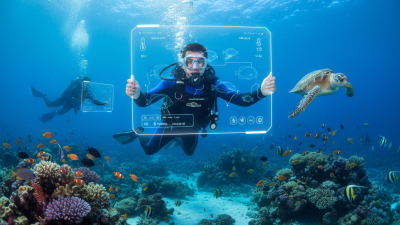
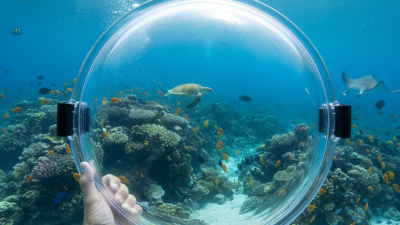
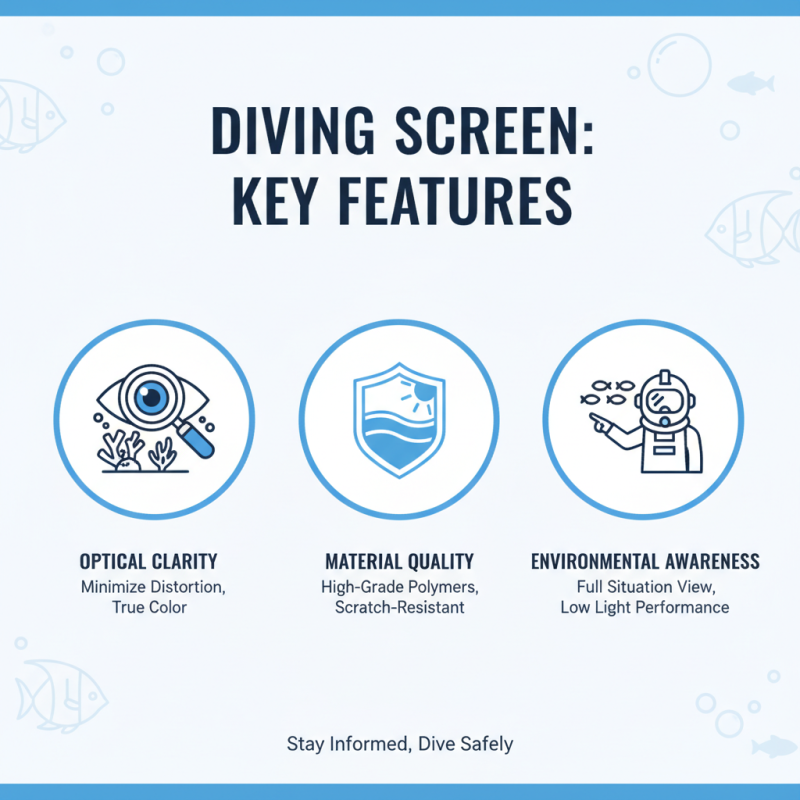
When considering a purchase, understanding the features of a Transparent Diving Screen is essential. These innovative screens enhance underwater visibility and safety. They are designed to protect divers from environmental hazards while providing a clear view of marine life.
Many options exist, each boasting unique attributes. For instance, some screens are tailored for specific diving environments, while others offer versatility for various conditions. It's vital to evaluate the materials used. High-quality screens should resist scratches and provide clarity.
Additionally, seeking expert advice can guide your decision. Not all Transparent Diving Screens are equal. Reflecting on your diving needs is crucial. Are you looking for mobility, durability, or a lightweight option? Balancing these factors will ensure you invest wisely. Make informed choices for a safer diving experience.
Understanding Transparent Diving Screens: An Overview
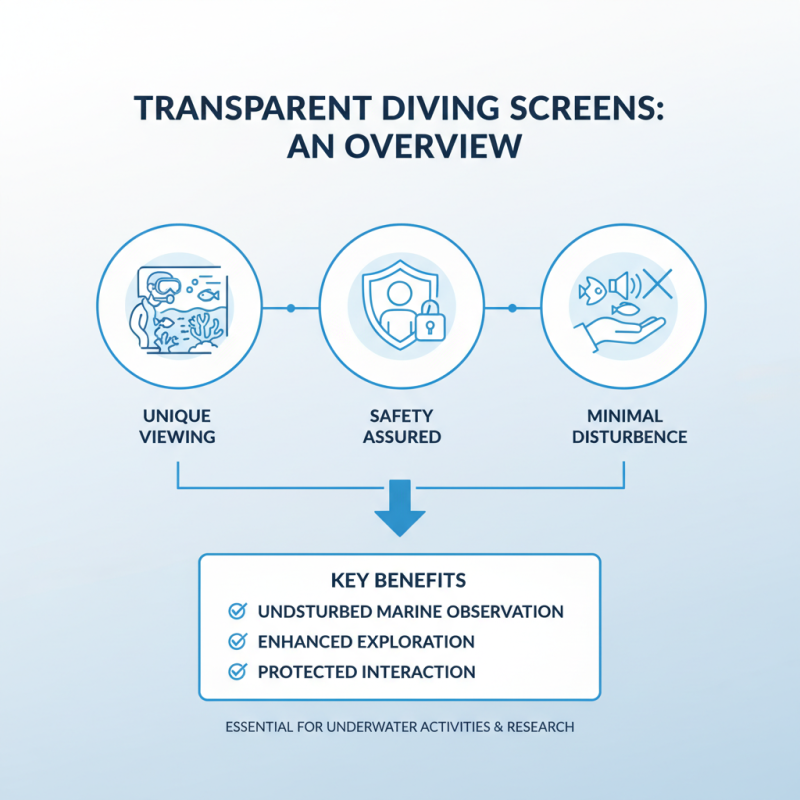
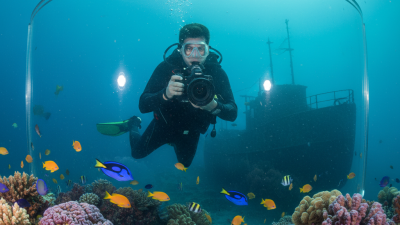
Transparent diving screens have become crucial in underwater exploration. They offer a unique viewing experience while ensuring safety. These screens allow divers to observe marine life without disturbing their environment. Understanding their design and functionality is essential for anyone interested in underwater activities.
Selecting the right screen involves various factors. Consider the material used in construction. High-quality, durable materials ensure longevity. Weight is another important aspect. A lightweight screen is easier to maneuver. Make sure the visibility is optimal. Clarity is vital for an immersive experience.
**Tip:** Always check for user reviews before making a purchase. Real-life experiences can guide you in the right direction.
Another point to reflect on is the intended use. Different diving conditions may require specific types of screens. Think about where you will dive. Public dive sites might differ from remote areas in terms of screen needs.
**Tip:** Test the screen in safe conditions before engaging in deeper dives. It helps build confidence in your chosen equipment.
Types of Transparent Diving Screens Available in the Market
When exploring transparent diving screens, understanding the available types is key. There are a few options you might encounter. The most common types include acrylic screens, glass panels, and polycarbonate options. Each type has unique benefits and challenges.
Acrylic screens are lightweight and shatter-resistant, making them popular. However, they can scratch easily. Glass panels offer superior clarity and durability but are heavier. They need careful handling. Polycarbonate screens are robust and provide excellent impact resistance, yet they can yellow over time.
**Tips:** Look for features like UV resistance and anti-scratch coatings. Check the thickness of the panels; thicker screens often offer greater strength. Be cautious about the weight of the screens if you plan on transporting them frequently. Remember, transparent diving screens are a significant investment, so evaluate your needs carefully.
Types of Transparent Diving Screens Available in the Market
Benefits of Using Transparent Diving Screens for Divers
Transparent diving screens offer significant advantages for divers. They increase visibility underwater, eliminating the cumbersome feeling of traditional barriers. With these screens, divers can enjoy a more immersive experience. They see the surroundings clearly, which enhances exploration. Clear views allow divers to track fish and coral effectively, enriching their adventure.
Using transparent screens can improve safety as well. Divers can maintain better communication with each other. This transparency helps in spotting potential hazards more quickly. Enhanced visibility means fewer accidents and improved overall diving experiences. However, not all screens are created equal. Some may affect the water's flow or create distractions. It's important to choose wisely and reflect on the specific needs of each dive.
Divers should also consider the weight and portability of these screens. A heavy screen can be cumbersome and challenging to handle. It's crucial to find a balance between durability and ease of use. Testing different options before purchasing can be beneficial. Ultimately, the goal is to enhance the diving experience, making it memorable and safe.
Maintenance and Care Tips for Transparent Diving Screens
Transparent diving screens are essential for underwater exploration. To ensure their longevity, maintenance is key. Regular cleaning will help prevent scratches or residue buildup. Use a soft cloth and mild soap. Harsh chemicals can damage the surface and compromise clarity.
After each use, rinse your screen with fresh water. Salt and chlorine can create stubborn stains. Allow it to air dry completely to avoid water spots. Store the screen in a cool, dry place, away from direct sunlight. Prolonged exposure can lead to discoloration.
Beyond cleaning, inspect your equipment routinely. Small cracks may grow if unnoticed. Attend to any damage promptly to ensure safety. While transparent diving screens enhance visibility, they require responsible upkeep. Skipping maintenance could lead to costly repairs or replacements down the line.