What is a Transparent Underwater Screen and Its Benefits?
The advent of the Transparent Underwater Screen has marked a significant innovation in marine technology. This cutting-edge display system blends functionality with aesthetics, creating an immersive experience for both users and viewers. According to a recent report by the Marine Tech Institute, the market for underwater displays is expected to grow by 25% annually over the next five years. This growth reflects a rising demand for immersive environments in aquariums, marine research, and entertainment venues.
Dr. Emily Waters, a renowned marine technology expert, states, “Transparent Underwater Screens not only enhance visibility but also bridge the gap between technology and nature.” Her insights emphasize the dual purpose of these screens as both an educational tool and a spectacle. While the benefits of transparency and engagement are evident, challenges remain in maintenance and power management in underwater settings. Navigating these complexities will require ongoing innovation and collaboration among industry leaders to maximize the potential of Transparent Underwater Screens.
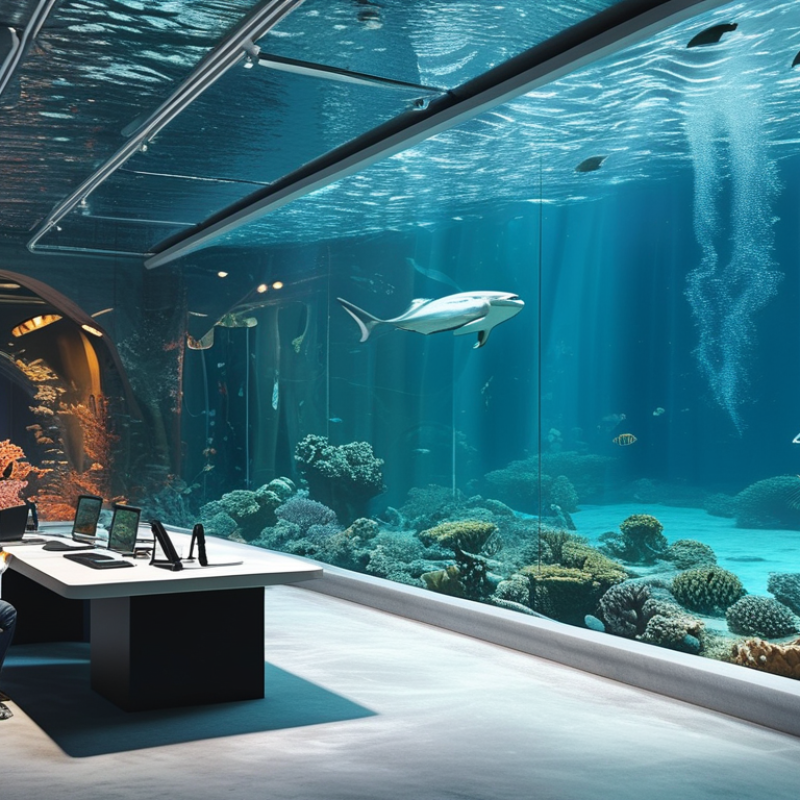
What is a Transparent Underwater Screen?
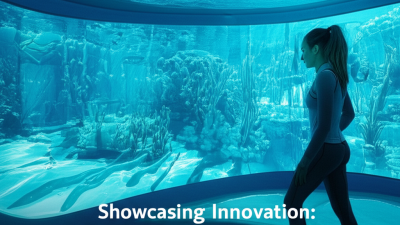
A transparent underwater screen is an innovative technology designed to enhance aquatic experiences. It utilizes clear materials to allow visibility while providing interactive displays. This technology is perfect for aquariums, underwater museums, and marine research facilities. The screen creates a barrier while letting light and visuals pass through seamlessly.
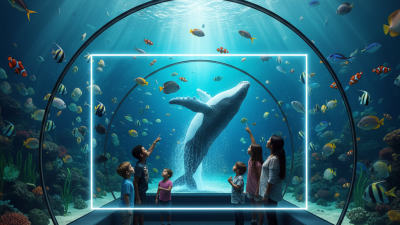
The benefits are significant. These screens engage viewers in a unique way, allowing them to observe underwater life without interference. Users can explore information on marine species or environmental conservation directly through the screen. This interaction fosters learning and appreciation for marine ecosystems. However, not all designs are perfected. The clarity can suffer in murky water, and maintenance can be challenging. Ensuring optimal functionality requires careful consideration of location and lighting conditions. The technology is promising, yet developers must address these limitations to make it more effective.
What is a Transparent Underwater Screen and Its Benefits?
| Dimension |
Details |
| Material |
Transparent OLED or LCD technology |
| Usage |
Aquariums, underwater exhibitions, marine research, and entertainment |
| Benefits |
Enhanced viewing experience, interactive displays, educational content delivery |
| Installation Depth |
Can be installed at various depths depending on the application |
| Environmental Impact |
Minimal disruption to aquatic life and ecosystems |
| Cost |
Varies based on size and technology, typically starting from moderate to high range |
| Maintenance |
Regular cleaning and software updates required |
How Transparent Underwater Screens Work
Transparent underwater screens are a remarkable innovation in display technology. They provide a unique way to interact with the underwater environment while offering clear visual experiences. These screens use advanced optical technology to create images while remaining largely invisible when not in use. This feature allows for unobstructed views of aquatic life, enhancing the overall experience.
The technology behind transparent underwater screens primarily involves liquid crystal displays (LCD) or organic light-emitting diodes (OLED). These components allow for stunning visuals that can captivate viewers. The screens operate effectively in various lighting conditions. This adaptability makes them useful in aquariums, museums, and even underwater exploration. However, installation and maintenance can be challenging due to the aquatic environment. Regular checks are vital for optimal performance.
Some might wonder about the limitations of this technology. Factors like water clarity and screen size can impact visibility. Additionally, high costs associated with installation may deter some potential users. Balancing these challenges with the benefits can lead to more informed decisions about adopting transparent underwater displays.
Advantages of Using Transparent Underwater Screens
Transparent underwater screens offer several advantages that enhance various aquatic experiences. These innovative screens allow visibility while providing an added layer of interaction.
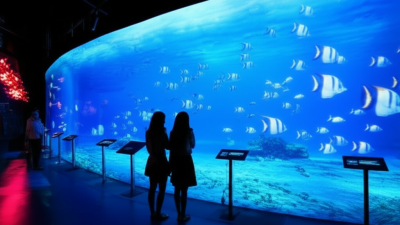
In aquariums, they can create immersive displays, letting visitors feel connected to marine life. The technology can be integrated into architectural elements, allowing for stunning visual effects underwater.
One key benefit is the versatility of these screens. They can be used in pools, spas, and even underwater restaurants. This adaptability means they serve multiple purposes. Another advantage is the aesthetic appeal. Clear screens provide a seamless view of the underwater environment while giving the impression of openness.
However, maintenance can be challenging. Regular cleaning is necessary to keep them crystal clear. It requires effort and investment.
Transparent underwater screens also foster communication in unique ways. They can display information about marine life or safety instructions for divers. This interactive aspect engages audiences differently than traditional media. Nevertheless, not all content translates well. It’s essential to tailor messages for underwater visibility. Overall, these screens can enhance experiences but require careful planning and execution.
Applications of Transparent Underwater Screens in Various Industries
Transparent underwater screens are gaining traction across various industries. They provide unique visual experiences while serving practical functions. These screens allow for real-time information display in marine environments. In aquariums, they enhance visitor interaction without obstructing views of aquatic life.
In the construction sector, transparent underwater screens aid in monitoring underwater conditions. They help assess structural integrity during marine construction. According to industry reports, using these screens can improve safety outcomes by 30%. They provide valuable data in real-time, reducing risks associated with underwater projects.
Moreover, the healthcare industry has begun utilizing transparent underwater screens in therapeutic environments. Hospitals are incorporating these screens in rehabilitation settings to create calming atmospheres. Patients are said to experience reduced anxiety levels by 25% when interacting with serene aquatic visuals. This innovative approach in healthcare illustrates the versatile applications and benefits of transparent underwater screens across diverse fields.
Future Prospects of Transparent Underwater Screen Technology
Transparent underwater screens represent a cutting-edge technology revolutionizing marine environments. They offer a unique way to display information while maintaining an unobstructed view. The growing demand for such screens arises in fields like marine research and underwater entertainment.
Industry reports project a substantial increase in the development of these screens. According to a recent research study, the market for transparent display technologies could reach $16 billion by 2026. This growth reflects the rising interest from sectors such as aquariums and underwater tourism. As more facilities seek to enhance tourist experiences, the incorporation of transparent screens will become commonplace.
However, this technology also faces challenges. Issues related to water pressure and visual clarity in various lighting conditions need addressing. While advancements are underway, the ideal balance between durability and transparency has not yet been fully achieved. Future innovations will likely focus on improving these aspects, which could amplify the screens' applications far beyond current uses. As these hurdles are overcome, the potential for transparent underwater screens expands significantly.
Transparent Underwater Screen Technology: Market Growth and Applications
This chart illustrates the projected market growth of transparent underwater screen technology across various applications, highlighting its growing importance in marine displays, aquarium settings, advertising, research, and entertainment industries.