How to Use a Transparent Underwater Screen for Your Aquarium?
Aquariums can be captivating spaces filled with life. To enhance their beauty, some aquarium enthusiasts turn to a Transparent Underwater Screen. This innovative tool provides a unique way to display images or videos directly beneath the water's surface. However, using a Transparent Underwater Screen requires careful consideration.
Creating a seamless interaction between technology and nature is not easy. You may struggle with positioning or lighting. The screen's clarity can be compromised if not installed correctly. Plus, the aquatic environment can be unpredictable. Water quality and fish behavior might affect your setup.
Moreover, the aesthetic appeal of a Transparent Underwater Screen is subjective. Some might find it mesmerizing, while others may feel it disrupts the natural look. It's essential to assess your own preferences and the needs of your aquatic life. Balancing beauty and function is key. Reflect on how the screen can enhance the experience for both you and your fish.
Choosing the Right Material for a Transparent Underwater Screen
Choosing the right material for a transparent underwater screen is crucial for any aquarium enthusiast. Many professionals recommend acrylic as a primary material. Acrylic is lightweight and provides excellent clarity. A 2018 industry report showed that acrylic screens can be 17 times more impact-resistant than glass, making them a safer option. However, acrylic can scratch easily, which may cause clarity issues over time.
Another key material is polycarbonate. It is even more durable and can withstand harsh conditions. Recently, studies indicated that polycarbonate screens maintain transparency longer than acrylic in turbulent water conditions. This can be particularly important in aquariums with aggressive fish. Yet, polycarbonate tends to be more expensive. Some users express concerns about cost versus performance. Balancing budget and the desired longevity of the material can be tricky.
Consider the thickness of the material too. Thicker screens provide better integrity but can be more difficult to install. A 2022 market analysis noted that optimal thickness ranges from 6mm to 12mm depending on tank size. Users often experience challenges with sealing thicker screens properly, which can lead to leaks. Making a decision requires weighing all these factors, and sometimes, it may not lead to the expected outcomes. Finding the perfect balance is a learning process.
How to Use a Transparent Underwater Screen for Your Aquarium? - Choosing the Right Material for a Transparent Underwater Screen
| Material Type |
Transparency (%) |
Durability (years) |
Ease of Installation |
Cost ($/sq ft) |
| Acrylic |
92 |
10 |
Moderate |
25 |
| Polycarbonate |
88 |
15 |
Difficult |
35 |
| Glass |
90 |
20 |
Moderate |
30 |
| PETG |
90 |
8 |
Easy |
20 |
| PVC |
75 |
5 |
Easy |
15 |
Optimal Dimensions for Transparent Screens in Aquariums
When designing an aquarium, optimal dimensions for a transparent underwater screen are crucial. A well-placed screen can enhance the visual appeal while providing necessary separation for fish. The width of the screen should be at least one-third of the aquarium's overall width. This allows light to filter through, while ensuring visibility for both fish and viewers.
Depth plays a key role as well. A screen depth of around six to twelve inches is generally effective. It ensures that the screen is not too intrusive to the aquatic environment. Careful consideration of height is also important. A height of twelve to twenty-four inches can create a balanced look. It can give an illusion of spaciousness while maintaining a secure area.
However, achieving the perfect dimensions can be challenging. It requires adjustments based on the specific aquarium setup and its inhabitants. Taking frequent measurements during construction helps identify misalignments. Sometimes, the chosen dimensions do not fit the environment as expected. This calls for thoughtful reflection and possibly resizing. Allowing flexibility during installation could improve the overall outcome and enhance the habitat for the fish.
Best Practices for Integrating Screens into Aquatic Ecosystems
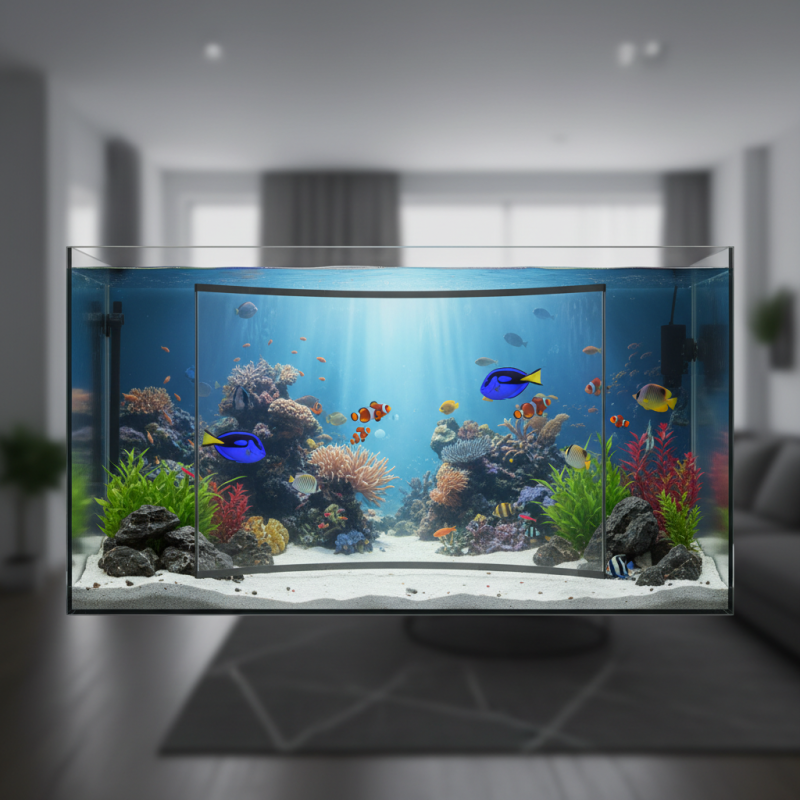
Integrating a transparent underwater screen into your aquarium can enhance the aesthetic and functional aspects of the habitat.
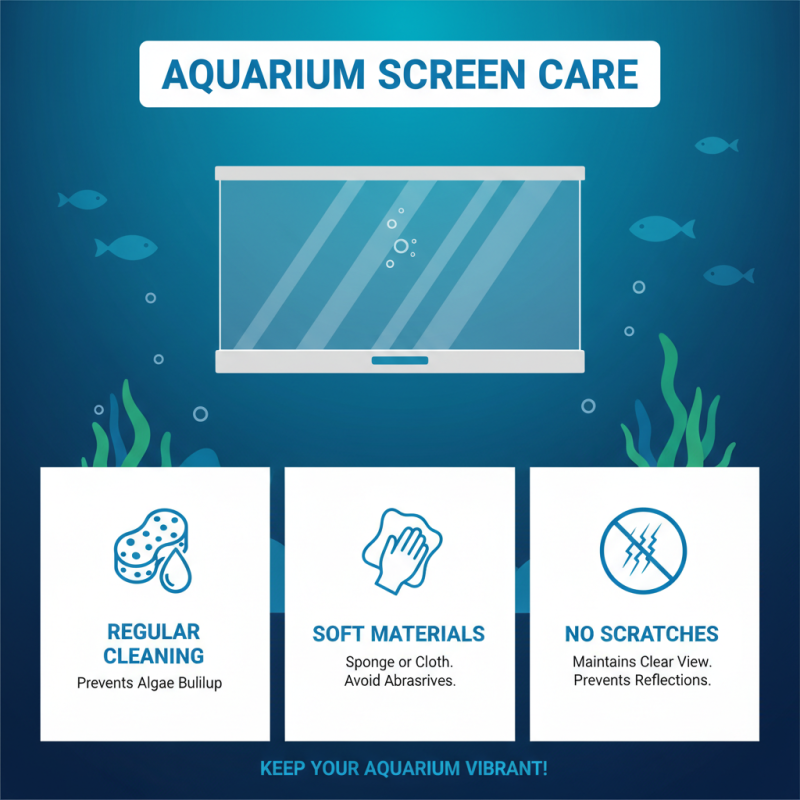
Choose a location that allows for unobstructed views. The screen should be easy to clean and maintain to prevent algae buildup. Pay attention to the lighting; it can reflect and distort images.
Bright lights may create glare, which confuses fish and disrupts their behavior.
Consider the size and depth of your aquarium. A larger screen may overwhelm small tanks, while a smaller one might not provide the desired visual effect.
You might need to experiment with different placements to find the best configuration. Over time, some fish may react differently.
Observe how they interact with the screen and adjust accordingly. Their comfort is essential for a thriving ecosystem.
Experimentation can lead to unforeseen challenges. For instance, certain species might feel stressed by the new addition or react aggressively.
Monitor the water parameters regularly, as the screens can impact water quality if improperly installed.
Balancing aesthetics with ecology requires careful attention and ongoing adjustments.
Impact of Underwater Screens on Fish Behavior and Habitat Dynamics
Underwater screens offer an intriguing way to enhance aquarium experiences. These transparent barriers can significantly influence fish behavior. They provide a sense of security. Fish often react more naturally when they feel safe. However, not all species are comfortable. Some may become stressed by the new boundaries.
Habitats can also shift. Screens can create distinct environments within the aquarium. Areas can become zones for feeding or breeding. This segregation offers fish variety. But, it might also disrupt social dynamics. Species that thrive together could become isolated. Observing interactions is essential. Some fish may adapt, while others may struggle.
Not every tank environment benefits from screens. Each aquarium is unique. Water flow and lighting can change under these conditions. Creative placements may lead to unforeseen challenges. Monitoring changes in fish behavior is crucial. Adjustments might be needed to ensure harmony. Screen installation is both an art and a science. It requires continuous observation and reflection. Ultimately, it's a balancing act that demands careful thought.
Impact of Underwater Screens on Fish Behavior
This chart illustrates the impact of transparent underwater screens on different aspects of fish behavior in an aquarium setting. The data reflects observations made over a period of one month.