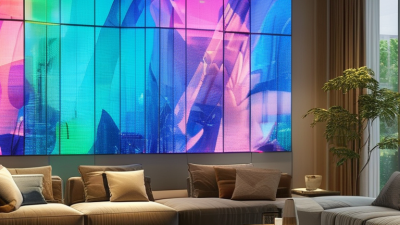
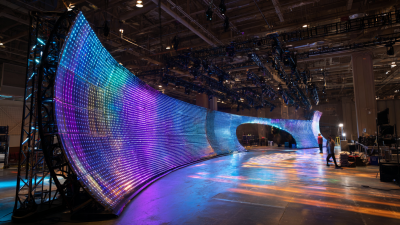
2026 Best Flexible LED Film Screen for Global Buyers?
Choosing the 2026 Best Flexible Led Film Screen requires more than comparing pixel pitch and price. Global buyers need evidence from real installations, not attractive product images. A reliable evaluation should examine transparency, brightness, weight, flexibility, adhesive performance, and control-system compatibility. It should also consider local service capacity and replacement-part availability.
Chris Chinnock, founder of Insight Media and a respected display industry analyst, has stated, “Display quality is more than resolution; it is the complete viewing experience.” This principle matters for retail windows, airports, museums, and curved architectural surfaces. A screen may look impressive in a showroom, yet perform poorly under direct sunlight. That assumption needs checking.
Look closely at the details. Can the Flexible Led Film Screen maintain stable brightness after long operating hours? Does its adhesive remain secure across temperature changes? Can installers cut or connect modules without damaging the circuit? These questions reveal practical product quality.
Certification documents, warranty terms, and factory testing records should support every major claim. Buyers should request videos from completed projects and inspect cable routing, edge finishing, and viewing clarity. No screen is perfect. Some models sacrifice brightness for transparency, while others increase weight through stronger protection layers.
This guide compares leading solutions through a buyer-focused lens. It considers visual performance, installation risks, energy use, durability, and total ownership cost. The final choice may not be the thinnest or cheapest product. It should be the screen that performs consistently in its intended environment.
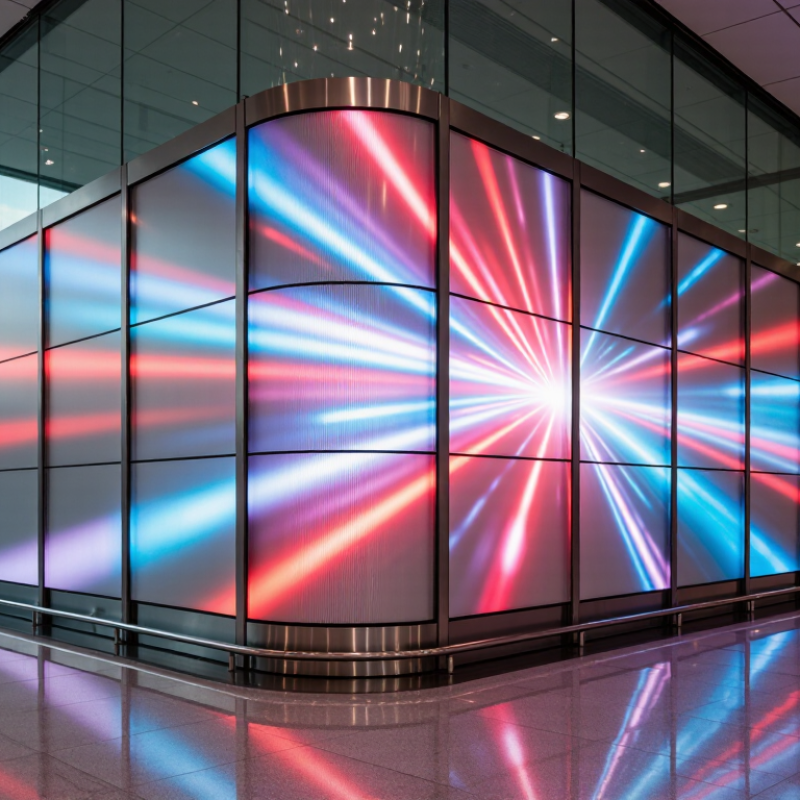
What Is a Flexible LED Film Screen?
2026 Best Flexible LED Film Screen for Global Buyers?
What Is a Flexible LED Film Screen?
A flexible LED film screen is a thin display made from transparent LED modules and an adhesive or magnetic mounting layer. It can attach to glass, curved walls, retail windows, and lightweight architectural surfaces. Unlike conventional cabinets, it does not require a heavy steel frame. The film bends slightly, while embedded LEDs create moving images, text, or soft visual effects.
It is not magic glass. Light transmission depends on pixel spacing, glass thickness, viewing distance, and indoor brightness. In practical installations, a screen may look clear from the front but appear darker behind it. Measuring these conditions before purchase prevents disappointing results. A flexible film screen also needs stable power, suitable control equipment, and careful cable routing.
Experienced installers usually inspect the glass surface first. Dust, moisture, and uneven edges can weaken adhesion. They also test the content at the planned viewing distance. Small text may become unreadable on wide pixel spacing. Heat management matters, even for low-weight products. Poor ventilation can shorten component life.
The best choice depends on the building, not only the screen specification. Buyers should request brightness data, transparency measurements, operating temperature ranges, warranty terms, and installation guidance. Certification requirements also vary by market. One detail is easy to overlook: replacement access. If a module fails, maintenance should not require removing an entire glass panel.
How Flexible LED Film Screen Technology Works
2026 Best Flexible LED Film Screen for Global Buyers?
Flexible LED film screens work through tiny light-emitting diodes mounted on a transparent, bendable circuit layer. Each diode receives digital signals from a control system. It then produces red, green, or blue light to form images.
Power flows through thin conductive tracks behind the film. A sending card divides video content into smaller data signals. Receiving units then control brightness, color, and refresh timing across each section. The adhesive layer helps the screen stay attached to glass, curved walls, or display structures. However, “film” can sound more flexible than it really is. Most products bend gently, but they should not be sharply folded.
From practical installation experience, surface preparation matters as much as pixel quality. Dust, uneven glass, and poor cable routing can create visible lines or early failures. Transparent screens also lose contrast in strong daylight. Buyers should check viewing distance, brightness, pixel pitch, bend radius, power load, and heat control. Independent testing records and electrical certifications improve purchasing confidence. Requirements may differ between countries, so local compliance should be verified before shipment.
Tips: Clean the surface carefully. Test one panel first. Leave access for repairs. Do not hide the power supply in sealed spaces. Ask for long-term brightness data, not only attractive showroom videos.
Key Features and Benefits for Global Buyers
In 2026, flexible LED film screens are becoming practical tools for retail windows, exhibitions, airports, and architectural displays.
Their low weight reduces installation pressure on glass surfaces. A slim profile also preserves daylight and interior visibility.
Buyers should check pixel pitch, brightness, viewing angle, and contrast under real lighting conditions.
A showroom sample can look impressive, but direct sunlight may reveal weaknesses.
Bending performance matters as much as image quality.
Confirm the minimum bending radius before designing curved columns or irregular windows. Reliable models should offer stable adhesion, manageable power consumption, and clear ventilation requirements.
Some systems support front servicing, which helps technicians replace damaged modules without removing an entire display.
That saves time.
However, transparent screens are not invisible in every environment. Fine wiring, reflections, and uneven glass can still affect the result.
Global buyers also need practical evidence beyond technical brochures.
Ask for test reports, electrical safety documentation, operating temperature ranges, and compatibility with local power standards.
Confirm packaging protection, spare-part availability, warranty response, and installation guidance in an understandable language.
A small pilot project is often wiser than ordering at scale immediately.
It can expose glare, control delays, or weak adhesive performance. These details seem minor until a screen is installed several meters above a busy entrance.
A dependable supplier should explain limitations honestly, not promise identical performance in every climate or building.
How to Evaluate Flexible LED Film Screen Specifications
2026 Best Flexible LED Film Screen for Global Buyers?
Evaluating flexible LED film screen specifications starts with the glass, not the brochure. Check pixel pitch, transparency, brightness, weight, viewing angle, and bend radius. A 3.9 mm pitch can suit retail windows, while finer pitches improve close viewing. Transparency must be measured after installation, not only in laboratory conditions. I would not trust a claimed 70% transparency without testing a sample under daylight. Brightness should match the site. Excessive output may reduce transparency and increase power consumption. According to MarketsandMarkets’ 2024 LED Display report, the global LED display market may grow from about 7.4 billion dollars in 2024 to 11.7 billion dollars by 2029. This growth increases choice, but also creates inconsistent specifications.
Tips:
Request a complete technical sheet and a powered sample. Confirm average and maximum power, refresh rate, grayscale, operating temperature, IP rating, and control-system compatibility. Ask for the minimum bending radius. Measure screen weight with cables and mounting parts included. For glass façades, inspect adhesive strength, heat buildup, and emergency removal procedures. IEC testing references can support reliability, but they do not replace site testing. A high refresh rate matters for cameras. It does not guarantee strong daytime visibility. Installation experience often reveals this late. Allow tolerance for brightness variation, color calibration, and uneven glass. The cheapest film may become expensive after replacement, recalibration, or difficult maintenance.
Installation, Applications, and Maintenance Considerations
2026 Best Flexible LED Film Screen for Global Buyers?
Installation, Applications, and Maintenance Considerations
Installing a flexible LED film screen begins with the glass, not the display. The surface must be dry, dust-free, and stable. Small particles can create visible bubbles or weak adhesion. Measure the panel layout twice before applying it. A mistake I have seen is rushing cable placement, which later causes difficult repairs. Leave practical access for power supplies and control units. Test brightness, color uniformity, signal stability, and heat levels before final handover.
These screens suit retail windows, reception areas, transport spaces, exhibition halls, and architectural interiors. Their transparent structure can preserve daylight while showing clear visual content. Viewing distance should guide pixel pitch selection. Bright storefronts may require higher brightness, but excessive brightness can waste energy and reduce comfort. Local climate also matters. High humidity, strong sunlight, and frequent temperature changes can affect adhesives and electronics. A qualified installer should verify ventilation, electrical protection, and regional installation requirements.
Maintenance is simple, but it is not optional. Switch the system off before cleaning. Use a soft, lint-free cloth and avoid abrasive liquids. Inspect cables, connectors, edges, and mounting points every month. Watch for flickering pixels, color shifts, or unusual heat. Keep a few compatible spare sections available. That saves time. I would also keep a service log with dates, faults, cleaning records, and brightness settings. In practice, screens are often neglected after installation. That assumption is costly. A clear inspection routine usually protects image quality and extends operating life.