Top Benefits of Flexible LED Film Screen for Global Buyers?
The demand for innovative display solutions is rising. Flexible LED film screens are at the forefront of this trend. According to a recent market report by IoT Analytics, the global LED display market is expected to grow by 12% annually, reaching over $30 billion by 2025. This growth reflects increasing applications across various sectors, including entertainment, advertising, and transportation.
Flexible LED film screens offer distinct advantages. They provide lightweight, thin, and modular designs that can conform to various shapes. This flexibility allows for unique installations in venues and retail spaces. Notably, these screens utilize energy-efficient technology, reducing operational costs. A report from Grand View Research states that energy-efficient displays can decrease power consumption by up to 70%. However, challenges exist, including the initial investment costs and the need for specialized installation.
The market's rapid evolution underscores the importance of adopting flexible LED film screens for businesses. Global buyers must carefully assess performance versus affordability. Engaging with suppliers who prioritize quality and support is vital. As the industry progresses, consumers seek solutions that balance innovation and practicality.
Advantages of Using Flexible LED Film Screens in Various Industries
Flexible LED film screens are revolutionizing multiple industries, offering unique benefits that traditional screens cannot match. One key advantage is their lightweight and thin profile, making them easy to install and transport. A recent industry report states that flexible LED screens reduce installation time by up to 30%, saving both labor costs and project timelines. This adaptability is crucial in sectors like retail and events, where quick setup impacts overall success.
Moreover, flexible LED film screens can conform to various shapes and surfaces, enabling imaginative displays that captivate audiences. Their high resolution and vibrant colors enhance viewer engagement, crucial in marketing and advertising. Studies indicate that dynamic content can boost consumer retention by over 50%. Yet, the initial cost might deter some businesses from adopting this technology. Evaluating their long-term benefits, such as increased brand visibility, often outweighs these upfront expenses.
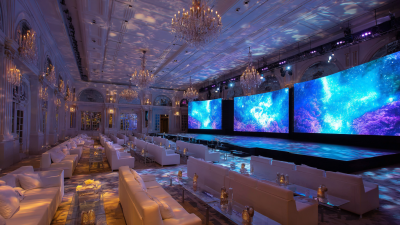
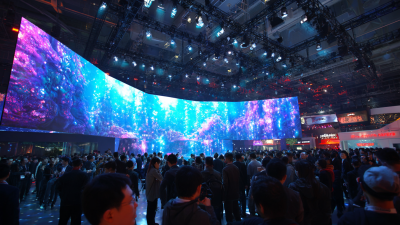
In the entertainment sector, flexibility allows for innovative staging and designs, creating immersive experiences. However, this requires teams to adapt and rethink conventional setups. As industries evolve, businesses must weigh the advantages against the learning curve involved in using new technology. Embracing this shift could lead to creative breakthroughs, but it's essential to address the challenges and invest in training to maximize potential.
Top Benefits of Flexible LED Film Screens for Global Buyers
Versatility and Adaptability: Key Features of Flexible LED Film Screens
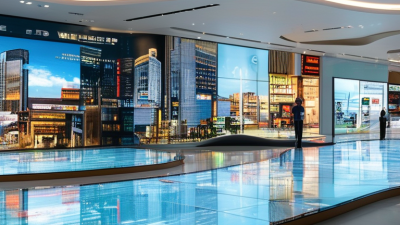
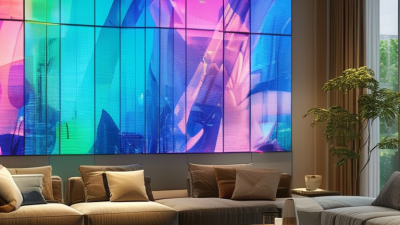
Flexible LED film screens have revolutionized display technology. Their versatility makes them suitable for various applications, from retail displays to event backdrops. The lightweight design allows for easy installation and transportation. This flexibility appeals to global buyers who need adaptable solutions for diverse environments.
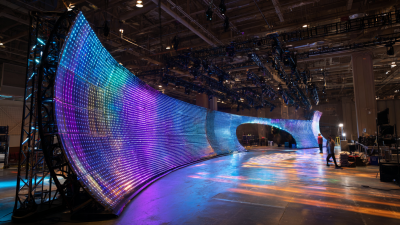
These screens can curve, bend, and even fold, providing unmatched creativity in design. They can be used in locations where traditional screens can't fit. For example, they adapt well to irregular surfaces. This opens new opportunities in architecture, advertising, and entertainment. The technology behind them continues evolving, yet some consumers face challenges in finding the right size and resolution.
Despite their advantages, buyers must consider specific factors. The durability of flexible LED film screens can vary widely. Not all screens endure harsh conditions. Additionally, understanding power requirements is essential for optimal performance. Seeking expert advice can mitigate these concerns, ensuring that investments are sound. It’s crucial to evaluate both the benefits and the potential downsides before making a decision.
Cost Efficiency and Sustainability Benefits of Flexible LED Film Screens
Flexible LED film screens are making waves in various industries for their cost efficiency and sustainability. The technology is revolutionizing visual displays, dramatically reducing energy consumption. A report from the International Energy Agency indicates that LED lighting can use up to 75% less energy than traditional incandescent bulbs. This translates to significant savings for businesses that utilize flexible LED screens for advertising or displays.
Sustainability is another important factor. Flexible LED screens are often made with recyclable materials. This aligns with global trends towards more eco-friendly production methods. According to the Global E-waste Monitor, electronics recycling can reduce landfill waste by a substantial margin. Flexible screens not only provide vibrant visuals but also contribute to a cleaner environment.
Consider using flexible LED screens for both indoor and outdoor applications. They are lightweight and versatile, making installation easier. However, assess the durability and environmental impact of the materials used in your selection. Frequent updates in technology may lead to rapid obsolescence, prompting a reflection on long-term investment strategies. Combine research with an understanding of market trends to maximize both efficiency and sustainability.
Enhanced Visual Quality: The Impact of Flexible LED Film Screens on Displays
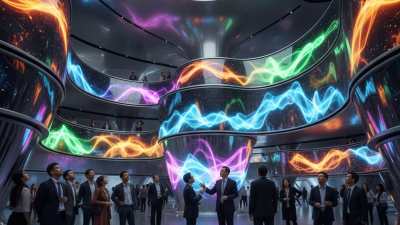
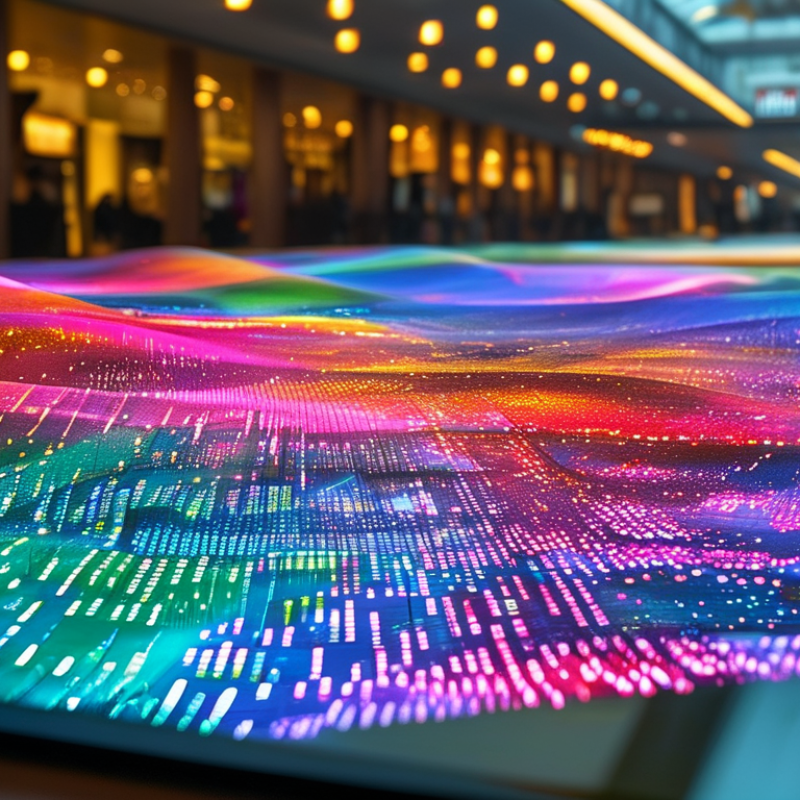
Flexible LED film screens are transforming display technology. Their ability to bend and conform to various surfaces opens up new possibilities for visual experiences. These screens provide enhanced visuals, ensuring vibrant colors and sharp details, which are crucial for captivating audiences. The lightweight nature of flexible LED films allows for creative installations in diverse environments, from retail displays to art exhibitions.
One significant advantage of these screens is their adaptability. They can easily fit into unconventional spaces, giving designers the freedom to experiment. However, the technology does have its challenges. Maintaining consistent brightness across flexible forms can be tricky. Installation requires precision to avoid distortion. Prospective users must weigh these factors carefully.
The impact on visual quality is notable. Flexible LED films deliver high-resolution images with excellent contrast ratios. This enhances viewer engagement, leading to a more memorable experience. Buyers should consider these factors while exploring options. The balance of innovative design and technical reliability is essential in selecting the right display solutions.
Ease of Installation and Maintenance for Global Buyers of LED Film Screens
The installation process of flexible LED film screens is a game changer. These screens are lightweight and easily adheres to various surfaces. This versatility significantly reduces the complexity of setup. According to a recent market analysis, flexible LED screens can be installed up to 30% faster than traditional displays. This efficiency is appealing to global buyers who demand quicker turnaround times.
Maintenance is equally straightforward. Many flexible LED screens offer modular designs, allowing for easy replacement of individual sections. Industry reports indicate that regular maintenance costs for these screens are around 15% lower compared to conventional LED systems. This reduction can be a critical factor for businesses operating on tight budgets. Buyers should also consider the impact of simplified maintenance on long-term operational efficiency.
Despite these advantages, some challenges remain. Buyers may find compatibility issues with existing technology. It's essential to evaluate the current setup before transitioning. Additionally, ongoing training may be necessary for teams to adapt effectively. Choosing flexible LED film screens can deliver numerous benefits, but understanding potential pitfalls is crucial for making informed decisions.