Discover the Benefits of Flexible Transparent Irregular Display Screens?
The rise of technology has led to innovative displays that capture our imagination. One notable creation is the Flexible Transparent Irregular Display Screen. This cutting-edge display offers unique benefits that traditional screens cannot match. It enhances visual experiences in various applications, from architecture to advertising.
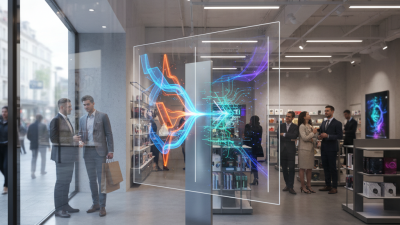
Flexible Transparent Irregular Display Screens are not just visually striking; they integrate seamlessly into modern environments. These displays can bend and adapt to different shapes, allowing for creative installations. Imagine a storefront window that showcases products without obstructing the view. This feature makes these screens highly desirable for marketing and branding efforts.
However, some challenges exist. The technology is still evolving, with issues like durability and cost affecting broader adoption. Consumers and businesses must weigh these factors when considering a Flexible Transparent Irregular Display Screen. Despite the hurdles, the potential for transformative design and connectivity makes this technology an exciting prospect for the future.
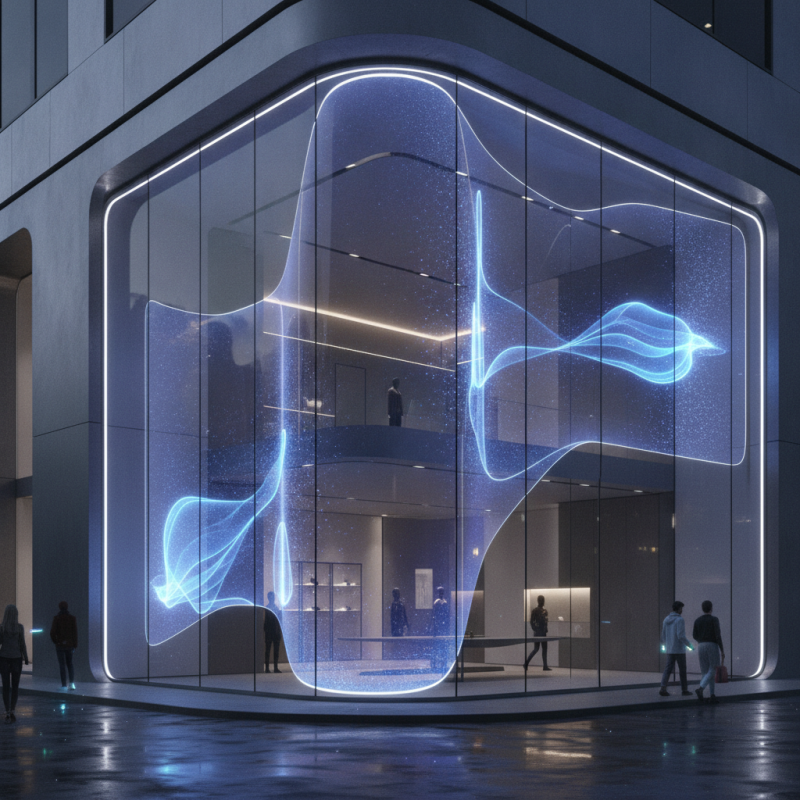
Benefits of Flexible Transparent Irregular Display Screens
Flexible transparent irregular display screens are revolutionizing the visual technology landscape. These screens provide unique viewing experiences while allowing the surrounding environment to be visible. According to a recent industry report, the market for transparent display screens is projected to grow at a CAGR of 30% through 2025. This rapid growth is driven by innovations in manufacturing and design.
One notable benefit is their versatility. These displays can be used in various settings, from retail environments to automotive applications. They allow consumers to engage actively with products. According to another study, 70% of consumers find transparent screens more appealing, enhancing brand interactions. However, integrating such technology can be challenging. Issues like resolution and brightness levels require ongoing improvements.
Moreover, flexible transparent screens promote creativity in design. Businesses can create eye-catching displays that blend seamlessly into architectural elements. Yet, the technology is still evolving. Users often report issues with visibility under direct sunlight. Investing in optimal solutions remains a key focus for manufacturers. Continued research is needed to address these ongoing challenges effectively.
Discover the Benefits of Flexible Transparent Irregular Display Screens
| Feature |
Description |
Benefits |
| Flexibility |
Can be curved or shaped to fit different surfaces |
Allows for innovative design and aesthetic appeal |
| Transparency |
Allows for visual interaction with the environment behind the screen |
Enhances user engagement and immersive experiences |
| Irregular Shapes |
Can be designed in unique and custom shapes |
Provides creative freedom for marketers and designers |
| Lightweight |
Made from lightweight materials |
Easier to install and transport |
| Energy Efficiency |
Uses less energy compared to traditional displays |
Reduces operational costs |
| High Resolution |
Offers sharp and clear visuals |
Delivers an enhanced viewing experience |
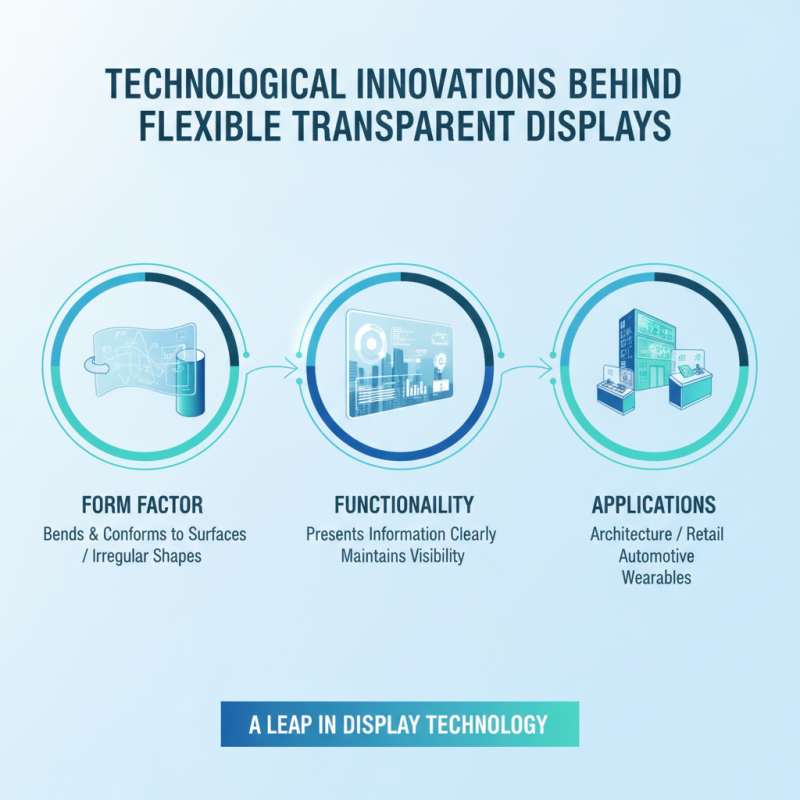
Technological Innovations Behind Flexible Transparent Displays
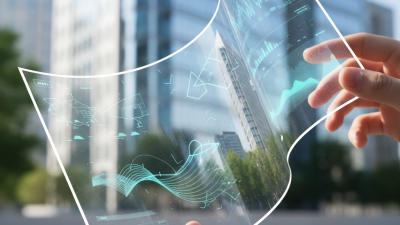
Flexible transparent irregular display screens represent a leap in technology. These screens can bend and conform to various surfaces. They offer a unique way to present information while maintaining visibility. This innovation holds potential in fields like architecture and retail.
The technology behind these displays involves advanced materials. These materials allow light to pass through while showing vivid images. Organic light-emitting diodes (OLEDs) are often used. They provide rich colors, which enhance the viewing experience. However, some challenges remain. Durability and energy efficiency are critical areas needing improvement. Manufacturers are working hard to overcome these obstacles.
Moreover, the applications are exciting. Imagine transparent displays in car windows or store fronts. This could change how we interact with our environment. Still, the cost of production is high. Widespread use may take time. These factors must be addressed for broader adoption. The future holds promise, yet careful consideration is needed.
Applications of Flexible Transparent Displays in Various Industries
Flexible transparent displays are revolutionizing various industries with their unique capabilities. In retail, these screens create immersive shopping experiences. They enable digital signage to blend seamlessly with products. Customers can view promotions while still seeing the merchandise. This integration boosts engagement and can lead to increased sales.
In healthcare, transparent displays play a vital role. They can be used in operating rooms for real-time patient data. Surgeons can access information without obstructing views. This technology enhances precision while allowing light to fill the space. However, the field is still exploring the optimal ways to implement these screens confidently and safely.
The automotive sector also explores flexible transparent displays. They can be integrated into windshields for navigation information. Drivers receive directions without diverting their attention. Yet, challenges remain in ensuring visibility and minimizing distractions. Each application presents opportunities and requires careful consideration of user experience.
Applications of Flexible Transparent Displays in Various Industries
Challenges and Limitations of Irregular Display Screens
Irregular display screens offer unique advantages, but they also come with significant challenges. One major concern is the manufacturing complexity. According to a market report from Display Supply Chain Consultants (DSCC), producing flexible transparent irregular screens can lead to higher costs. This is mainly due to the intricate designs and specialized materials required. In fact, the production costs can be up to 30% higher than traditional rectangular displays.
Another issue is compatibility with existing technologies. Many current software systems and user interfaces are designed for standard screen shapes. The irregular nature of these displays may necessitate redesigning applications, which can be time-consuming. Additionally, as noted in a report from the Institute of Electrical and Electronics Engineers (IEEE), developers face difficulties in ensuring consistent image quality across different shapes. The lack of established best practices creates uncertainty.
Finally, consumer acceptance remains a hurdle. Users often have preconceived notions about screen shapes. Audience feedback typically indicates a preference for familiar designs. As technology advances, overcoming these psychological barriers will be crucial. Without addressing these challenges, the potential of irregular display screens may not be fully realized.
Future Trends in Flexible Display Technology and Market Potential
Flexible display technology is rapidly evolving. Irregular display screens are becoming more common in various applications. These screens can bend and adapt to different forms, enhancing usability. They provide unique visual experiences in areas such as advertising, wearable devices, and smart packaging.
The market potential for flexible displays is immense. Analysts predict a significant rise in demand over the next few years. Industries are exploring ways to integrate these screens into products. Companies must stay updated with innovations in materials and technology. Continuous research into durability and cost-effectiveness is crucial.
Tips: When considering flexible displays, users should assess their needs carefully. Evaluate the environment where the display will be used. Testing the durability before large-scale deployment is wise. Always consider the sustainability of materials used in production.