Top 10 Benefits of Using a Transparent Underwater Screen?
In the realm of marine technology, the Transparent Underwater Screen stands out as an innovative marvel. This advanced display enhances not only the viewing experience but also fosters a deeper connection with the underwater world. Imagine witnessing vibrant coral reefs and marine life through a crystal-clear screen, as if you are part of the ocean.
The benefits of utilizing a Transparent Underwater Screen are numerous. For educators and researchers, it serves as a powerful tool for marine studies. Viewers can experience the beauty of aquatic ecosystems without disturbing their natural habitats. However, the technology is not without its challenges. Maintenance and installation can be complex, requiring expertise and careful planning.
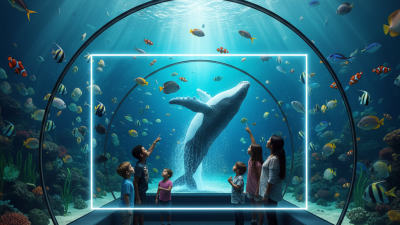
Engaging with a Transparent Underwater Screen opens up new possibilities for aquariums and underwater attractions. It creates immersive environments that captivate audiences of all ages. This technology encourages appreciation for marine conservation. By making underwater scenes accessible, it triggers thoughtful discussions on environmental sustainability. Overall, the Transparent Underwater Screen is a game-changer, blending education, entertainment, and ecological awareness in exciting ways.
Advantages of Enhanced Visibility in Underwater Environments
Underwater environments often pose visibility challenges. Using a transparent underwater screen enhances clarity in these conditions. It allows divers and researchers to see objects or marine life clearly. When visibility improves, safety levels rise. Explorers can navigate through complex underwater terrains without the fear of collisions or getting lost.
These screens can also improve communication between team members. When everyone can see the same visuals, discussions become more productive. This transparency fosters collaboration. Furthermore, transparent screens can highlight subtle changes in the marine ecosystem. Observers can identify shifts in water quality or behavior in sea creatures more easily. This type of insight benefits both scientific research and conservation efforts.
However, not all underwater screens perform equally. Factors such as material and design can affect visibility. Users should evaluate their specific needs carefully. In some cases, additional lighting or technology may be required for optimal use. Adjusting to various underwater environments takes time and practice. Being aware of these variables can lead to better decision-making in real-world applications.
Improved Interaction and Engagement with Marine Life
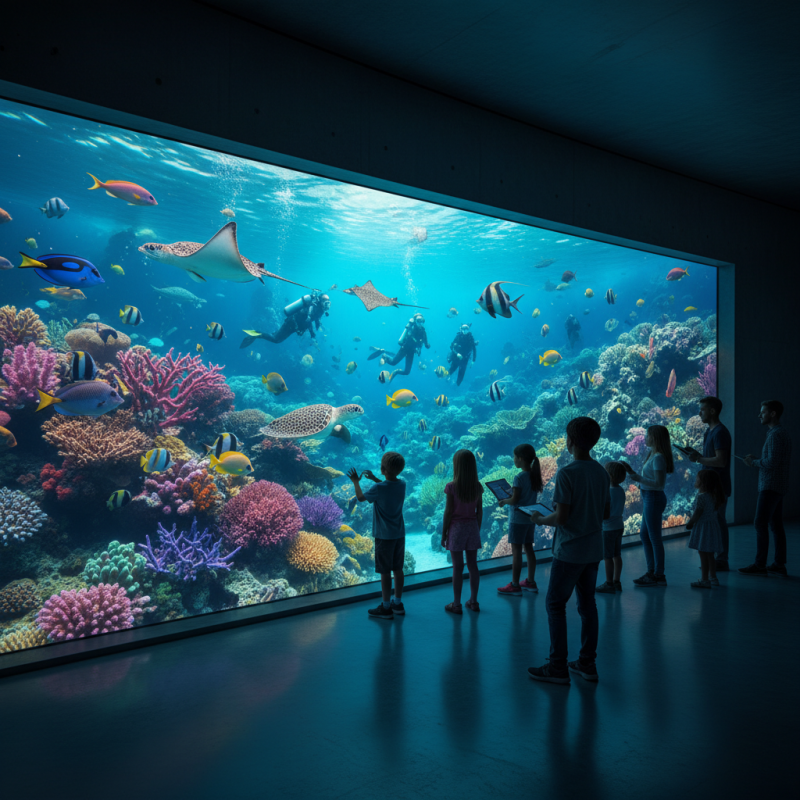
Transparent underwater screens offer a unique opportunity for interaction with marine life. These screens create an immersive environment. Visitors can observe underwater creatures in their natural habitats without disturbing them. The clarity of the screen enhances visibility. As marine life swims closer, the experience becomes more engaging.
The emotional connection with marine creatures deepens through this technology. Imagine a child’s eyes lighting up as a sea turtle glides by. This type of interaction fosters curiosity about ocean ecosystems. Educators can use these screens to provide deeper insights into marine biology. However, education must be balanced with conservation. Not all interactions are positive, and it’s crucial to ensure marine life is not stressed by human presence.
Transparent screens also invite reflection on our relationship with nature. While they enhance engagement, they can inadvertently create dependency on technology for connection. Relying solely on screens might lessen direct experiences in nature. Active participation in conservation should be emphasized. This balance ensures that technology complements our understanding of marine life rather than replacing it.
Top 10 Benefits of Using a Transparent Underwater Screen
| Benefit |
Description |
Impact on Interaction |
Example Usage |
| Enhanced Visibility |
Clear view of marine life and underwater environments. |
Increases curiosity and exploration. |
Aquariums and research facilities. |
| Interactive Learning |
Engaging educational content displayed alongside marine life. |
Promotes active learning experiences. |
Schools and educational programs. |
| Real-Time Data |
Display of live data about water quality and marine life behavior. |
Encourages informed decisions and interaction. |
Marine research projects. |
| Increased Engagement |
Encourages visitors to interact with displays. |
Heightened interest and communication. |
Wildlife sanctuaries. |
| Augmented Reality Features |
Ability to overlay information and animations on marine life. |
Makes learning more interactive and fun. |
Tourist attractions. |
| Enhanced Accessibility |
Provides easier access to marine presentations for diverse audiences. |
Greater inclusion in experiences. |
Disability-friendly aquariums. |
| Sustainability Awareness |
Educates visitors about marine conservation and ecosystems. |
Fosters environmental responsibility. |
Marine conservation organizations. |
| Immersive Experience |
Creates a deeper connection with the underwater world. |
Enhances emotional engagement. |
Diving experiences and tours. |
| Interactive Exhibits |
Encourages hands-on interaction with marine-related content. |
Stimulates curiosity and exploration. |
Educational installations. |
| Promotion of Marine Care |
Raises awareness about marine life care and protection. |
Encourages proactive behaviors. |
Environmental campaigns. |
Durability and Longevity of Transparent Underwater Screens
Transparent underwater screens offer remarkable durability and longevity, making them ideal for various aquatic environments. These screens are constructed with high-quality materials designed to withstand harsh conditions. They resist corrosion from saltwater and damage from UV exposure. This longevity reduces the need for frequent replacements and repairs, saving time and resources.
These screens also provide a unique viewing experience. Users can enjoy clear images even in challenging underwater settings. However, maintaining the transparency can be tricky. Regular cleaning and monitoring are necessary to keep them in optimal condition. Depending on usage and water quality, their performance may decline over time, requiring adjustments in maintenance routines.
Investing in a transparent underwater screen means considering both its benefits and the necessary upkeep. Proper care can enhance its lifespan significantly. Some users may overlook this aspect, leading to potential issues down the line. Overall, balancing durability with maintenance needs is vital to ensure these screens function effectively for years.
Top 10 Benefits of Using a Transparent Underwater Screen
Versatile Applications Across Various Industries
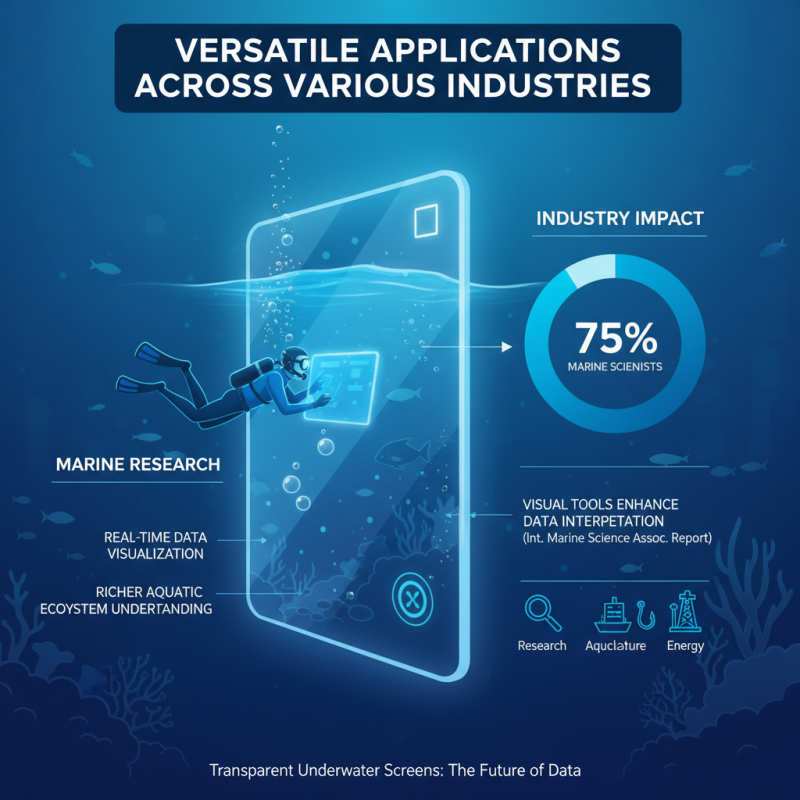
Transparent underwater screens are becoming increasingly important across various industries. In marine research, these screens allow real-time data visualization underwater. This creates a richer understanding of aquatic ecosystems. According to a recent report by the International Marine Science Association, 75% of marine scientists say that visual tools significantly enhance data interpretation.
In the entertainment sector, underwater screens are redefining how audiences experience aquatic shows. The potential for immersive storytelling captivates viewers. A 2022 report from Oceanic Media Group noted that venues with transparent screens saw a 40% increase in visitor engagement. This technology pairs well with augmented reality features, creating a unique blend of reality and imagination.
However, the use of transparent screens is not without challenges. Maintenance costs can be higher than traditional displays. Environmental factors, like saltwater exposure, necessitate robust design solutions. Some installations have faced operational issues due to the underwater environment's unpredictability. As industries explore these screens, addressing these challenges will be essential for maximizing their potential.
Sustainable Design Practices of Transparent Underwater Technology
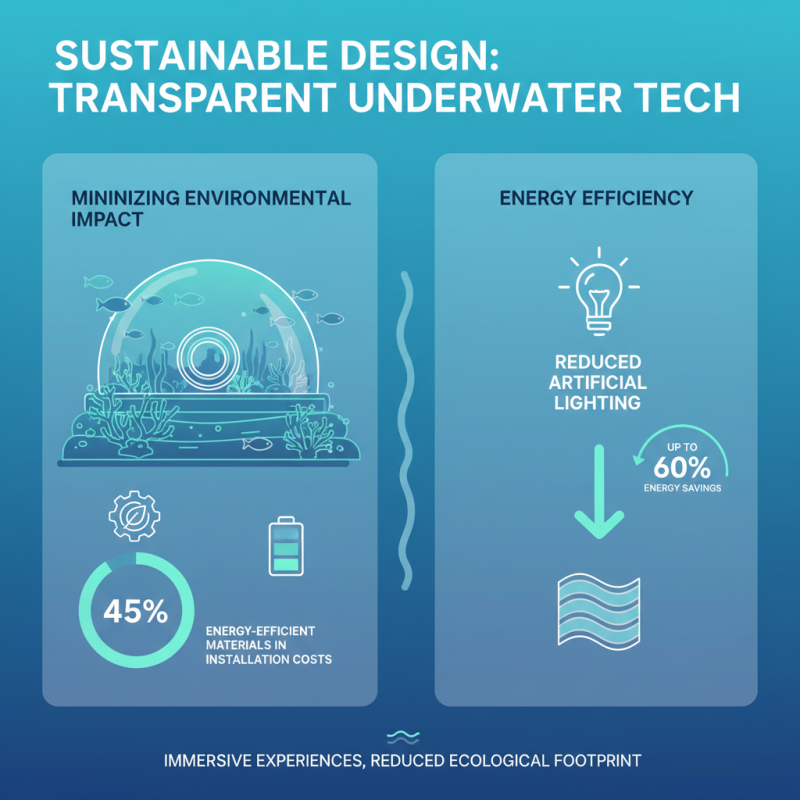
Transparent underwater technology is reshaping our approach to sustainable design. This innovation allows for immersive experiences while minimizing environmental impact. Reports suggest that energy-efficient materials make up about 45% of the total cost in underwater installations. Using transparent materials reduces the need for artificial lighting, which can account for up to 60% of energy consumption in similar setups.
Furthermore, the adoption of biodegradable materials in underwater screens can significantly lower waste. Studies indicate that over 75% of aquatic installations face issues related to plastic waste. By integrating transparent technology, designers can promote a cleaner ocean while ensuring functionality. However, the challenge remains in balancing durability and sustainability. Developers must continually evaluate the life cycle of materials used in these screens.
Implementing transparent screens often requires advanced engineering solutions. These solutions can sometimes lead to increased production costs, which may deter some potential projects. But the long-term environmental benefits could overshadow initial expenditures. Monitoring these technologies over time will be crucial to understand their full potential and limitations in diverse marine environments.