Choosing China’s top Transparent Film Led Guardrail Screen supplier requires more than comparing factory prices. A reliable supplier must prove optical clarity, structural safety, weather resistance, and stable production quality. Product photos are not enough.
An experienced supplier should explain its film thickness, LED spacing, brightness range, viewing angle, and power consumption. It should also provide test samples. Look closely at the details. Can the screen remain readable under direct sunlight? Does the film follow curved glass without visible bubbles? Can technicians replace damaged modules without removing the entire guardrail?
Dr. Jianwei Liu, a display-engineering consultant, once noted, “A transparent LED screen succeeds only when visibility, safety, and serviceability are designed together.” This principle matters for bridges, balconies, stadium barriers, and commercial buildings. A bright screen may attract attention, yet excessive brightness can disturb nearby users. A lightweight product may simplify installation, but weak fixing points create unacceptable risks.
The strongest Chinese suppliers usually demonstrate complete production records, aging-test procedures, waterproofing methods, and export experience. Ask for measured data, not broad promises. Check installation manuals, warranty terms, spare-part policies, and after-sales response times.
There is no perfect supplier. That is worth remembering.
Some manufacturers present impressive specifications but offer limited field support. Others provide excellent engineering but lack flexible customization. A careful buyer should compare samples, certifications, factory communication, and total project cost. This guide introduces practical criteria for identifying a dependable Transparent Film Led Guardrail Screen supplier in China. It also examines where marketing claims may deserve closer inspection.
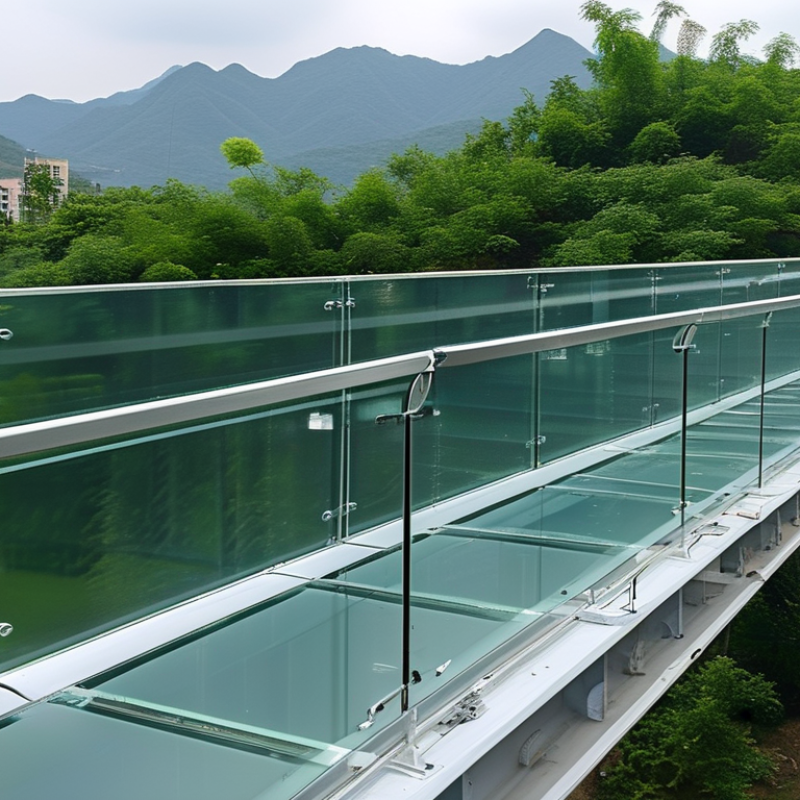
Transparent film LED guardrail screens are ultra-thin display systems fitted to glass, acrylic, or metal railing panels. Their LED pixels form images while leaving much of the background visible. This differs from solid cabinets, which block sightlines and add substantial structural weight. The key features are high transparency, low visual obstruction, modular installation, and flexible sizing. Many outdoor models also require strong brightness, weather resistance, and stable operation under changing temperatures.
According to Grand View Research, the global digital signage market was valued at approximately USD 27.1 billion in 2023 and is projected to grow at about 8.1% annually through 2030. This growth supports demand for displays that use existing architectural surfaces efficiently. For guardrails, practical performance matters more than impressive specifications. Installers should check pixel pitch, viewing distance, daylight brightness, power loading, waterproof protection, and cable routing. A screen can look transparent in a showroom but appear dense beside dark glass. That detail is often underestimated.
Field experience also shows that heat management and maintenance access deserve early planning. Dust, rain, glare, and uneven rail spacing can affect image quality. The International Electrotechnical Commission’s ingress protection framework helps buyers compare enclosure resistance, but an IP rating does not guarantee perfect installation. A careful supplier should provide test data, structural calculations, transparent-area measurements, and replacement procedures. Some projects still prioritize pixel density over visibility. That choice may need reconsideration.
Transparent film LED guardrail screens combine a clear display layer with a glass or acrylic safety barrier. The LED film uses tiny light-emitting components arranged in a fine grid. When powered, these pixels create images while leaving much of the background visible. The guardrail still provides physical separation and support.
A control system sends video data to receiving units along the railing. Each unit refreshes its assigned pixels, forming moving text, patterns, or full-color images. Brightness sensors can adjust output when sunlight changes. This helps reduce glare during the day and unnecessary light at night. Ventilation remains important because electronic components produce heat.
Installation requires accurate measurements, clean surfaces, and protected wiring. A small gap or uneven edge can make the image look distorted. Not magic. During site testing, technicians should check viewing distance, wind exposure, moisture protection, and emergency access. Transparent film is lightweight, but it is not immune to scratches or installation errors. In my experience, the clearest results come from balancing pixel density with transparency, rather than choosing the highest density available. This decision can be imperfect. A screen that looks excellent indoors may appear weaker under direct sunlight. Regular inspections should examine cable joints, mounting points, brightness settings, and damaged film sections. Reliable performance depends on both the display technology and the guardrail structure supporting it.
China Top Transparent Film LED Guardrail Screen Supplier?
Key Applications in Roads, Bridges, and Urban Infrastructure
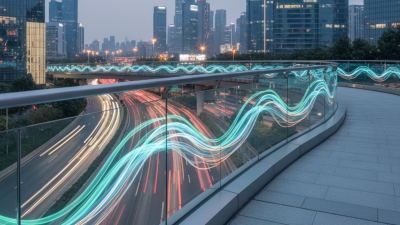
Transparent film LED guardrail screens are changing how cities use safety barriers. They add visual information without fully blocking surrounding views. Along roads, these displays can show traffic notices, weather warnings, route guidance, and construction updates. Their lightweight structure suits selected guardrails and roadside barriers.
Bridge applications require stricter engineering. Strong wind, vibration, rain, and temperature changes can affect display performance. A reliable supplier should provide documented wind-load calculations, waterproofing details, electrical protection, and installation guidance. Film-based screens can preserve views across bridges while presenting clear messages at controlled brightness. Night settings matter. Excessive brightness may distract drivers or disturb nearby residents.
In urban infrastructure, these screens support public transport areas, pedestrian corridors, parking entrances, and civic spaces. Transparent designs allow sunlight and architecture to remain visible. Careful pixel selection improves readability from different distances. Maintenance access also deserves attention; a beautiful installation becomes a problem when damaged modules are difficult to replace.
Practical testing is essential. Teams should inspect viewing angles, glare, heat control, cable routing, and emergency access before approval. I have seen projects focus on appearance and underestimate cleaning work. That mistake is avoidable. No display suits every barrier. Local road standards, structural reviews, and professional installation must guide the final choice. Reliability comes from measured performance, not attractive samples alone.
| Application Area | Typical Installation Position | Recommended Technical Profile | Primary Functional Value | Key Engineering Considerations | Relevant Standards or Tests |
|---|---|---|---|---|---|
| Urban Expressways | Roadside barriers, central dividers, elevated-road parapets, and sound-barrier sections |
Outdoor-rated transparent LED mesh or film screen; 5,000–8,000 cd/m² typical brightness; IP65 or higher enclosure protection; approximately 70%–90% transparency |
Displays traffic guidance, public messages, emergency notices, and city media content without creating a fully opaque visual barrier | Glare control, viewing-angle management, wind-load calculations, safe maintenance access, and visibility of traffic signs | IEC 60529 IP testing; EMC and electrical-safety testing; local road-lighting and traffic-safety requirements |
| Cable-Stayed and Suspension Bridges | Pedestrian guardrails, bridge-edge barriers, approach viaducts, and architectural bridge façades |
Lightweight modular LED panels; corrosion-resistant frame; 70%–90% transparency; brightness commonly adjustable for day and night operation |
Supports architectural illumination, cultural storytelling, event visuals, and controlled nighttime communication | Structural vibration, long-span wind exposure, salt spray, lightning protection, drainage, and restrictions on additional dead load | Bridge structural design codes; wind and vibration assessment; IP testing; corrosion-resistance verification |
| Pedestrian Bridges | Side guardrails, stair ramps, bridge entrances, and covered walkway edges |
Fine-pitch transparent LED display; 3,000–6,000 cd/m² typical brightness; high-contrast content mode; low-voltage service components where required |
Combines wayfinding, public information, safety alerts, and decorative content while preserving openness and daylight | Pedestrian impact resistance, rounded or protected edges, anti-slip access areas, cable protection, and simple front or rear servicing | Electrical safety testing; impact and mechanical-load assessment; accessibility and pedestrian-infrastructure codes |
| Urban Bridges and Riverfront Corridors | Bridge railings, riverfront promenades, observation decks, and waterfront retaining structures |
Outdoor transparent LED system; 4,000–7,000 cd/m² typical brightness; anti-corrosion hardware; IP65 or higher protection for exposed equipment |
Creates low-visual-obstruction digital façades for tourism promotion, public art, festivals, and municipal announcements | Humidity, condensation, salt or pollution exposure, reflected light on water, nighttime brightness limits, and drainage design | IEC 60529; EMC compatibility testing; local environmental-lighting and outdoor electrical installation rules |
| Highway Rest Areas and Toll Plazas | Vehicle-channel barriers, pedestrian separation rails, canopy edges, and entrance structures |
High-brightness daylight mode; automatic brightness control; IP65 outdoor protection; remote monitoring and scheduled content playback |
Provides directional information, lane guidance, service notices, and public-safety messaging in a controlled roadside environment | Content readability at driving speed, non-distracting animation, impact protection, cleaning access, and reliable network connectivity | Traffic-sign visibility rules; EMC testing; electrical-safety testing; ingress-protection testing |
| Transit Stations and Interchange Areas | Station perimeter rails, elevated platforms, bus-transfer areas, and pedestrian circulation zones |
Transparent LED film or mesh; 2,500–5,000 cd/m² typical brightness; high refresh rate for camera-friendly operation; optional centralized content management |
Displays route information, service disruptions, public announcements, advertising, and emergency evacuation messages | Passenger flow, fire-escape routes, accessibility, camera-recording compatibility, cleaning chemicals, and continuous operating hours | Transit-facility electrical codes; fire and evacuation requirements; EMC and photobiological-safety assessment where applicable |
| Urban Construction and Redevelopment Zones | Temporary pedestrian barriers, perimeter hoardings, and protective fencing along public roads |
Modular lightweight transparent panels; 3,000–6,000 cd/m²; weather-resistant enclosure; quick-disconnect power and data design |
Communicates detours, construction schedules, safety instructions, and project visualizations while maintaining partial visibility | Temporary-works approval, barrier stability, pedestrian protection, dust and water exposure, vandal resistance, and relocation requirements | Temporary traffic-management standards; construction-site safety rules; IP and electrical-safety testing |
| Airport Access Roads and Parking Structures | Terminal approach barriers, parking ramps, pedestrian bridges, and curbside separation zones |
High-visibility outdoor LED system; automatic ambient-light adjustment; 4,000–8,000 cd/m² typical daytime brightness; transparent design for surveillance visibility |
Supports parking guidance, passenger information, traffic instructions, and emergency communication | Strict content control, cybersecurity, camera visibility, aviation-lighting restrictions, high reliability, and backup-power planning | Airport electrical and information-security requirements; EMC testing; IP testing; local aviation-safety rules |
| Smart-City Public Spaces | Plaza railings, civic buildings, public squares, parks, and mixed-use development boundaries |
Transparent LED façade or guardrail module; approximately 70%–90% transparency; 2,500–6,000 cd/m² adjustable brightness; sensor or cloud-based control options |
Enables public art, civic information, event scheduling, emergency alerts, and low-obstruction digital wayfinding | Light pollution, privacy, accessibility, public viewing distance, network security, energy consumption, and content governance | Local outdoor-display regulations; EMC and electrical-safety testing; energy-efficiency and light-pollution requirements |
| General Product Selection | Any exposed road, bridge, or urban infrastructure location requiring digital content with visual permeability | Evaluate transparency, brightness, pixel pitch, viewing distance, IP rating, operating temperature, power consumption, weight, and service method before specification | Balances digital visibility with daylight transmission, architectural openness, traffic safety, and infrastructure aesthetics | Final selection must be based on structural calculations, local climate, installation height, wind pressure, electrical capacity, maintenance plan, and authority approval | IEC 60529; applicable IEC/EN electrical and EMC standards; local building, road, bridge, fire, and advertising regulations |
China Top Transparent Film LED Guardrail Screen Supplier?
Evaluation Criteria for Chinese Guardrail Screen Suppliers
Choosing a Chinese supplier requires more than checking pixel pitch and price. I would examine field experience, engineering records, and installation feedback. A supplier should provide brightness data, viewing angles, refresh rates, and measured power consumption. According to the U.S. Department of Energy, LED technology can use up to 75% less energy and last 25 times longer than incandescent lighting. However, outdoor guardrail screens face rain, dust, vibration, and direct sunlight. Laboratory claims may not reflect real streets.
Request independent test reports for IP protection, electromagnetic compatibility, electrical safety, and thermal performance. The IEC 60529 framework defines IP ratings, but an IP65 label alone does not prove long-term reliability. Ask how the transparent film is sealed around edges and connectors. Check whether brightness remains stable after repeated temperature cycles. Small details matter. A weak connector can stop an entire section.
Evaluate production consistency through sample testing and factory inspection. Compare the sample’s transparency, color uniformity, adhesive strength, and viewing performance at three distances. Suppliers should disclose warranty terms, spare-part availability, repair procedures, and delivery capacity. Industry forecasts from MarketsandMarkets identify energy efficiency and large-format visual communication as major LED market drivers. That trend is useful, but it should not replace evidence. I would also request project references with contactable clients. Some specifications look impressive. Installation reality can be less perfect.
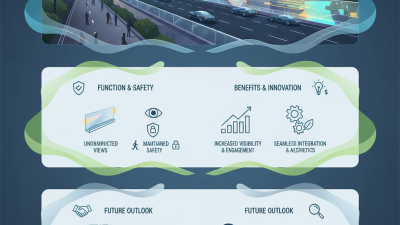
A practical procurement weighting model for comparing transparent film LED guardrail screen suppliers. The percentages represent the recommended importance of each evaluation dimension and should be verified with test reports, samples, and project references.
Safety and compliance should receive the highest priority, followed by transparency, environmental protection, optical performance, and lifecycle support. Important technical checks include structural safety, electrical protection, IP-rated enclosure design, stable refresh performance, viewing visibility, installation weight, warranty coverage, and spare-parts availability.
China Top Transparent Film LED Guardrail Screen Supplier?
Installing a transparent film LED guardrail screen requires more than matching the display size. Measure the glass, posts, fixing points, and cable routes before ordering. Measure twice. The screen must not weaken the handrail or block emergency movement. Use a qualified installer to check wind pressure, vibration, weight, and local electrical requirements. Keep connectors away from standing water. Seal every outdoor entry point carefully.
During installation, leave enough space for ventilation and future access. Hidden cables may look cleaner, but they can make fault repairs difficult. A reliable supplier should provide wiring diagrams, mounting guidance, product testing records, and clear service terms. Ask how the film performs under sunlight, rain, temperature changes, and repeated cleaning. Confirm whether brightness control prevents glare for pedestrians and nearby drivers. Keep it clear.
Maintenance should include routine checks of pixels, power supplies, connectors, adhesive edges, and protective seals. Clean the surface with a soft, non-abrasive cloth. Never spray liquid directly onto electrical parts. Isolate power before opening any enclosure. In busy public areas, inspect the guardrail after impact, construction work, or severe weather. A loose panel can become a serious hazard. In practice, installation teams sometimes focus too heavily on visual alignment and overlook cable strain. That mistake deserves review. Record inspection dates and repairs, even when the screen appears normal.