How to Choose the Best Transparent Underwater Screen for Your Needs?
Choosing the right transparent underwater screen can transform your aquatic experiences. Whether for entertainment, education, or research, the options are vast. A transparent underwater screen allows for immersive viewing of marine life while providing clarity and durability.
It's essential to consider your specific needs. Are you focusing on personal use, or do you have commercial applications in mind? Understanding the environment where the screen will be used is crucial. Not all transparent underwater screens perform equally in varying conditions. They must withstand pressure, clarity demands, and potential corrosion from saltwater.
Research highlights the importance of material quality and design. Not every screen claims to be the best truly stands up to scrutiny. Buyers often face challenges, as marketing tends to exaggerate product capabilities. A transparent underwater screen should not only look good but also function optimally under water. This balance can be difficult to achieve and requires careful consideration.

Understanding Transparent Underwater Screens: Basics and Applications
Transparent underwater screens serve various applications, from aquariums to research facilities. These screens utilize advanced display technologies to create immersive experiences while allowing for visibility into the water. The demand for such products has increased significantly, driven by a projected market growth rate of 15% annually through 2025. This growth reflects the rising interest in enhanced visual experiences in aquatic environments.
Understanding how these screens work is essential. They integrate technologies like LCD or OLED with high waterproof ratings. This allows them to function effectively underwater without compromising visibility or display quality. Effective transparency can range from 30% to 90%, influencing how much light and imagery can be displayed. Professionals must consider factors like resolution, contrast ratio, and brightness, which are crucial for clarity in water.
Though these screens offer remarkable capabilities, challenges remain. Not all models perform equally under varying underwater conditions. Some may struggle with reflection and color distortion. Ensuring proper installation and selecting the right technology for specific needs can mitigate these issues. Exploring industry reports and user feedback is crucial. It allows one to evaluate options more thoroughly.
Comparison of Transparent Underwater Screen Features
This chart compares key features of transparent underwater screens based on various criteria including visibility, durability, cost, weight, and energy efficiency. Each feature is scored out of 100, providing a clear visual representation to help choose the best screen for specific needs.
Key Features to Consider When Selecting an Underwater Screen
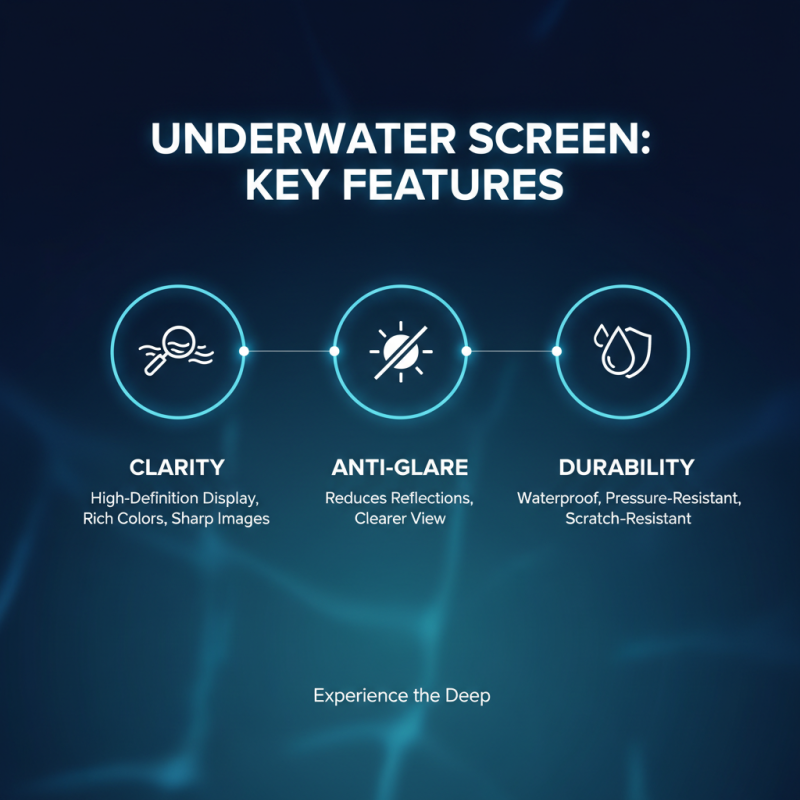
When selecting a transparent underwater screen, several key features can significantly impact your experience. First, clarity is crucial. A high-definition display ensures that colors remain vibrant and images are sharp, even in murky waters. Look for screens with anti-glare properties. This feature is essential to reduce reflections from the sun, allowing for a clearer view below the surface.
Durability is another vital consideration. Underwater screens face harsh conditions. Materials should be resistant to water, pressure, and corrosion. Something that seems durable might not be. User reviews can help identify whether a product lives up to its claims. Also, consider the screen's size. A larger screen provides a broader view, but it may be cumbersome to handle.
Portability often plays a pivotal role. Lighter screens are easier to transport, especially if you plan on moving frequently. Longevity should also factor into your decision. A great screen may come at a high price but could lack longevity. Periodic checks and maintenance can reveal underlying issues. Reflecting on these features before purchase can lead to a more satisfactory choice.
Comparative Analysis of Different Transparent Underwater Screen Materials
When selecting a transparent underwater screen, the choice of material significantly impacts performance. Common materials include glass, acrylic, and polycarbonate.
Glass offers excellent clarity and scratch resistance but can be heavy and fragile. Acrylic is lighter and more shatter-resistant, but it may scratch more easily. Polycarbonate is robust and very impact-resistant, ideal for high-traffic areas. However, it can become discolored over time.
Evaluating these materials requires understanding their specific properties. For instance, glass provides a premium feel but often at a higher cost and weight. Acrylic, on the other hand, can warp if exposed to excessive heat, which is something to consider in variable climate conditions. In terms of underwater visibility, different materials may affect light transmission, leading to varied experiences.
Additionally, consider the intended use. A screen meant for decorative purposes might prioritize clarity, while a functional one may need tougher materials. In some cases, the aesthetics of a transparent screen clash with durability, prompting a trade-off. It's essential to reflect on these characteristics and adjust selections based on your unique needs and circumstances. Balancing clarity with strength often leads to an imperfect yet suitable choice.
Assessing Installation Requirements for Your Underwater Viewing Needs
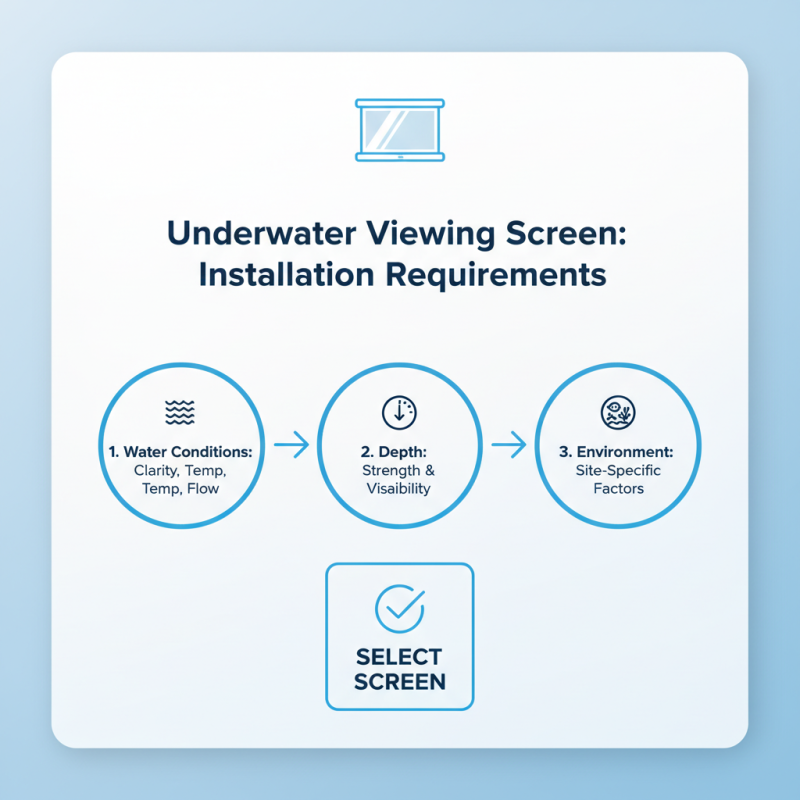
When selecting the best transparent underwater screen, understanding installation requirements is crucial. Consider the environment where you plan to install the screen. Water conditions, such as clarity, temperature, and flow rate, can influence the choice. A deeper installation may require additional considerations for strength and visibility.
Tips: Measure the surrounding area carefully. Space constraints can impact installation methods. Ensure ample room for maintenance and accessibility.
Evaluate the structural support needed. Transparent screens may require robust frameworks. Different materials can provide varying levels of durability and transparency. Each choice comes with trade-offs, and identifying your priorities is essential.
Tips: Try to anticipate future needs. Technology evolves, and your setup might require upgrades down the line. Think about these possibilities during the installation planning phase.
Cost Considerations and Maintenance Tips for Underwater Screens
When considering an underwater screen, cost and maintenance are crucial factors. Industry reports show that the average cost for high-quality transparent underwater screens can range from $1,500 to $3,500. This pricing often depends on the size and materials used. Budgeting is vital; unexpected repairs can arise, increasing overall expenses.
Regular maintenance is essential for prolonging the lifespan of your underwater screen. Experts advise performing routine inspections at least twice a year. Look for signs of wear, such as scratches or fading. Cleaning the screen with mild detergents prevents algae build-up, ensuring clear visibility. Neglecting these tasks can lead to costly repairs.
Many users overlook the impact of environmental factors. High salinity levels and fluctuating temperatures can degrade materials over time. Implementing preventive measures, like protective covers during severe weather, may help mitigate this. Understanding these factors can inform better choices for your specific needs.