How to Choose a Transparent Car Display Screen for Your Needs?
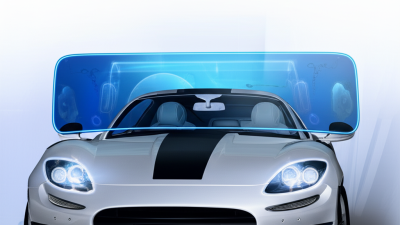
As the automotive industry embraces innovative technology, the demand for a Transparent Car Display Screen grows. Experts emphasize choosing the right screen based on specific needs. Dr. Emily Carter, a leading authority in automotive technology, states, "A transparent display can enhance driver awareness and safety if selected thoughtfully."
When selecting a Transparent Car Display Screen, consider key factors. These include visibility under various lighting conditions and the resolution of displayed information. High clarity in crowded urban environments ensures that vital data remains easily digestible. Yet, not all screens are created equal. Some may struggle with glare, impacting safety.
Ultimately, a Transparent Car Display Screen is more than just a trend; it’s an important investment in your driving experience. Make reflective choices based on essential features and operational efficiency. In doing so, you will enhance both functionality and safety in your vehicle.
Understanding the Different Types of Transparent Car Display Screens
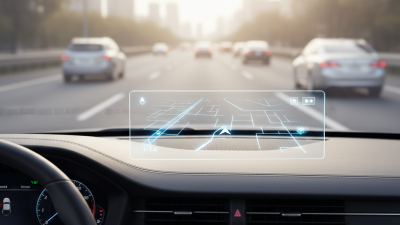
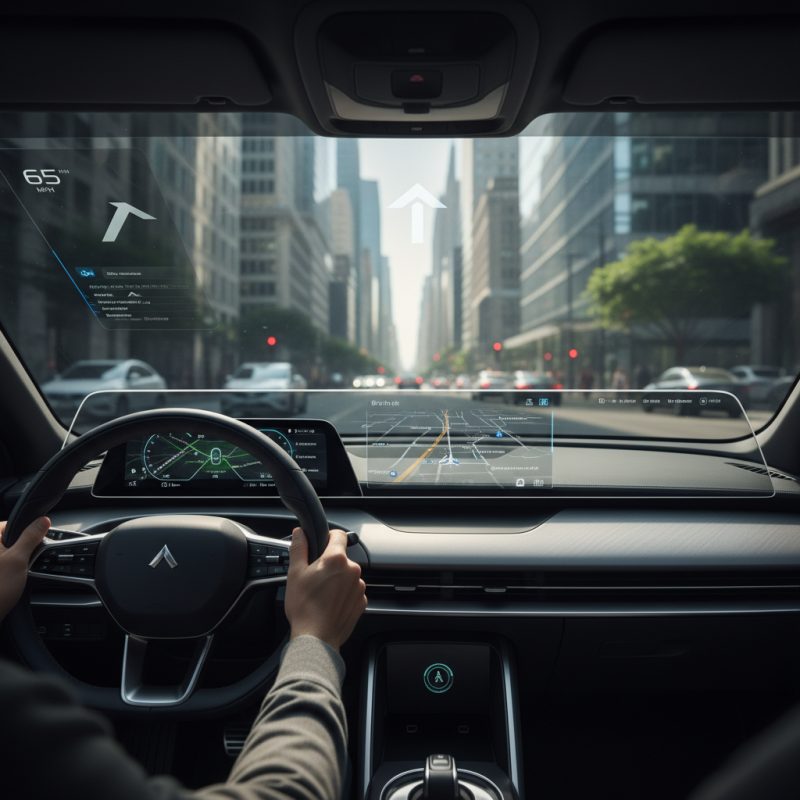
When selecting a transparent car display screen, understanding the different types is essential. There are primarily two types: augmented reality (AR) displays and traditional transparent screens. AR displays project information onto the windshield, allowing drivers to see crucial data without taking their eyes off the road. These screens can enhance navigation and safety features. However, the complexity of their technology can lead to user confusion.
Traditional transparent screens, on the other hand, provide a more straightforward interface. They display essential information clearly, often without overwhelming the driver. Users may find these screens less distracting. Still, the lack of interactive features can be a downside for some. It’s crucial to evaluate your needs closely. Consider whether you prioritize advanced features or user-friendly designs.
Both types have advantages and drawbacks. The choice may boil down to personal preference or driving habits. Are you someone who enjoys tech innovations, or do you prefer simplicity? Your comfort with technology will impact your experience with these displays. Ultimately, reflecting on what you truly need can guide you in making the best choice.
Comparison of Different Types of Transparent Car Display Screens
Key Features to Consider When Choosing a Transparent Car Display
Choosing a transparent car display screen requires careful consideration of key features. Clarity and brightness are paramount. According to a study by the Automotive Display Market, a screen must provide a brightness of at least 1000 nits to ensure visibility in bright daylight. Poor visibility can lead to driver distraction and decreased safety.
Interactivity is also crucial. A touch response time of under 30 milliseconds enhances user experience. Drivers want to interact with their displays with minimal delay. Features like voice recognition can further reduce the need for physical interaction. However, integrating these features may complicate the system, demanding a balance between functionality and user-friendliness.
Durability cannot be overlooked. Reports indicate that screens are prone to scratches and glare. A tempered glass surface can alleviate these issues, ensuring longevity and clarity. However, increased fragility may arise if not carefully designed. The industry is still evolving, and manufacturers often face challenges in achieving both robustness and weight efficiency. It’s essential to assess these trade-offs when selecting a suitable transparent display for your vehicle.
Evaluating the Compatibility of Display Screens with Your Vehicle
When selecting a transparent car display screen, ensure it matches your vehicle's technical requirements. Different vehicle models have specific compatibility standards. This compatibility often depends on factors like size, resolution, and connection methods. Measure your dashboard space accurately. Jurisdictions may have restrictions on display installations. Consulting your vehicle manual can clarify if your car supports such screens.
Consider the integration of the display with existing systems. Look into how well the display interfaces with your car’s console, navigation system, and sensors. Some screens may not operate seamlessly with older vehicles. Investigate user reviews for insight into real-world compatibility experiences. Feedback from other users can expose potential installation challenges.
Lastly, be aware of any changes in technology. New advancements may shift compatibility criteria. This can affect both performance and functionality. If unsure, seek opinions from automotive professionals. They can provide valuable insights that enhance your selection process. Doing proper research will help avoid costly errors in screen selection.
How to Choose a Transparent Car Display Screen for Your Needs? - Evaluating the Compatibility of Display Screens with Your Vehicle
| Feature |
Description |
Compatibility |
Price Range |
| Display Type |
LED, LCD, OLED |
Most vehicles with a digital dashboard |
$200 - $500 |
| Screen Size |
10", 12", 15" |
Compatible with various vehicle models |
$150 - $600 |
| Resolution |
1080p, 4K |
Suitable for high-end and mid-range cars |
$250 - $800 |
| Connectivity |
HDMI, USB, Wireless |
Compatible with most infotainment systems |
$100 - $400 |
| Installation Type |
Plug-and-Play, Professional Installation |
Depends on vehicle model |
$50 - $200 (Installation fee) |
Assessing the Performance of Transparent Car Display Screens
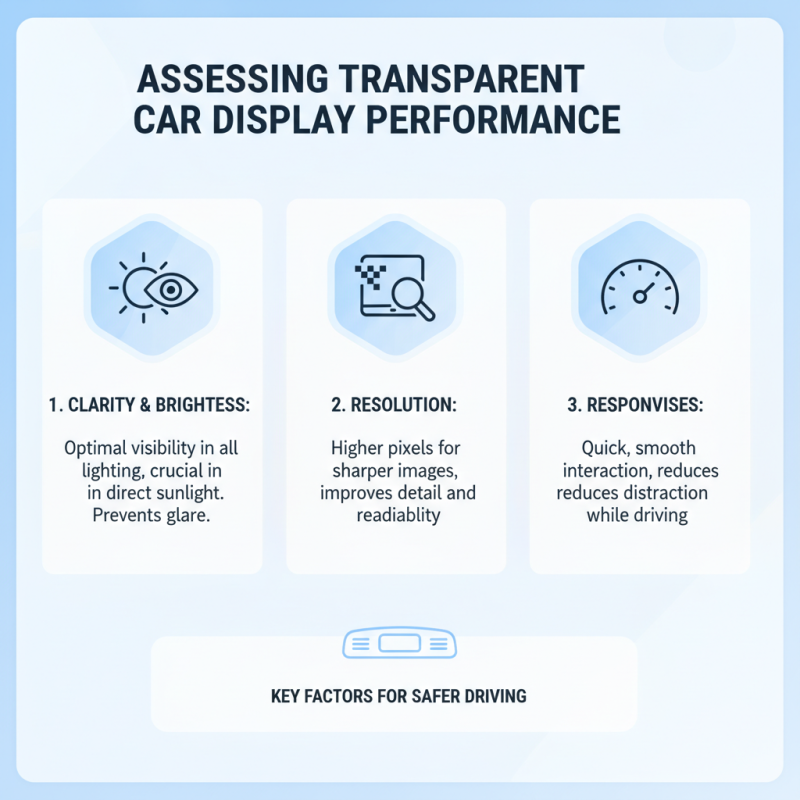
When choosing a transparent car display screen, performance is vital. One should focus on clarity, brightness, and responsiveness. A high-resolution screen enhances visibility, especially in direct sunlight. Consider how the display performs in different lighting conditions. Screens that struggle in bright light can hinder safety while driving.
Another critical factor is touch sensitivity. A responsive touch interface is essential for interaction. If the screen lags or doesn't respond well, it can be frustrating. Users will likely need to adjust their driving habits based on the screen's performance. This can lead to distractions, which is something to reflect on.
Durability also plays a significant role. A transparent display needs to withstand various environmental factors. Exposure to heat, moisture, and sun can affect performance. It's essential to consider the materials used in the construction of the screen. While some products claim durability, real-world usage may reveal limitations. Looking at user reviews can provide insights into long-term reliability.
Exploring Budget Options for Transparent Car Display Solutions
When exploring budget options for transparent car display screens, it's crucial to understand your needs. Transparent displays can enhance navigation and entertainment experiences, but prices can vary widely. Determining your budget is the first step. Many affordable options are available, although they might compromise on quality or features compared to premium counterparts.
You might find various displays ranging from basic models to more advanced ones. Basic models often provide essential functions, such as speed and navigation. However, these may lack advanced integration capabilities. Cheaper options might also have a limited viewing angle or lower resolution. It’s essential to weigh these factors against your requirements. Can you sacrifice some features for a lower price, or is the quality non-negotiable for you?
Be mindful that some budget displays may not meet your long-term needs. Research user reviews and expert ratings to find reliable options. While affordability is tempting, investing in a quality product can lead to a better experience. Make sure that whatever choice you make aligns with your driving habits and preferences. Balancing cost with quality can help you find the right transparent display for your vehicle.