What is a Flexible Transparent Display Screen and How Does It Work?
The Flexible Transparent Display Screen represents a groundbreaking evolution in display technology. This innovative screen merges functionality with aesthetics, enabling it to fit seamlessly into various environments. It can be integrated into cars, windows, and even wearable devices. Users are captivated by its potential to enhance both communication and interaction.
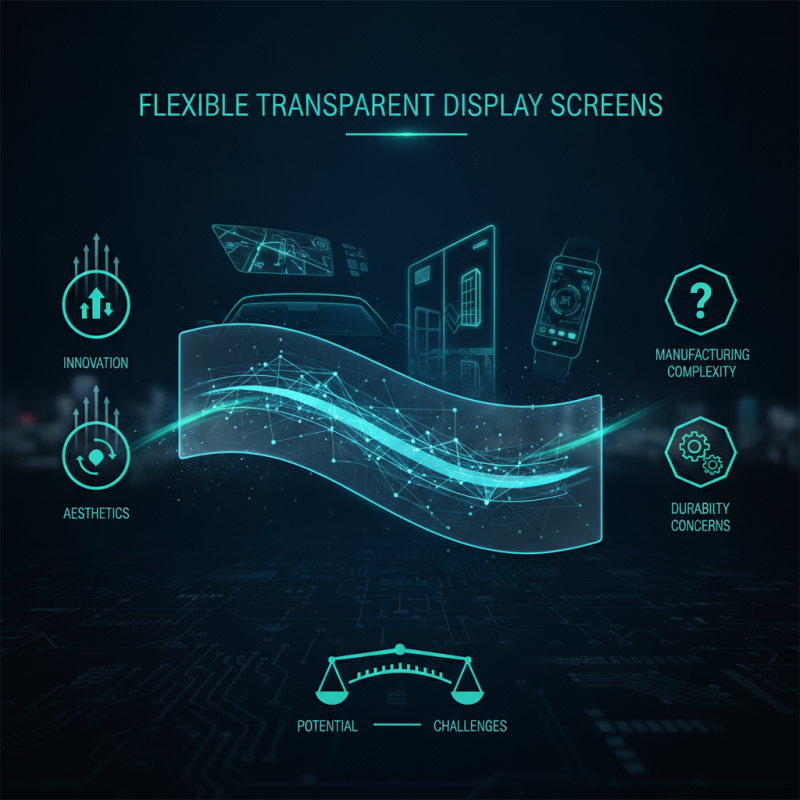
The core technology behind these displays involves layers of advanced materials that allow images to be projected while maintaining transparency. This dual capability opens new avenues for information sharing and user experiences. However, challenges persist. Current manufacturing processes can be complex, and durability remains a concern.
As industries explore their applications, the Flexible Transparent Display Screen invites both excitement and caution. It promises to reshape our interactions with technology, but lingering questions about performance and long-term viability demand attention. Balancing innovation with practicality is essential in navigating the future of this promising display technology.
What is a Flexible Transparent Display Screen?
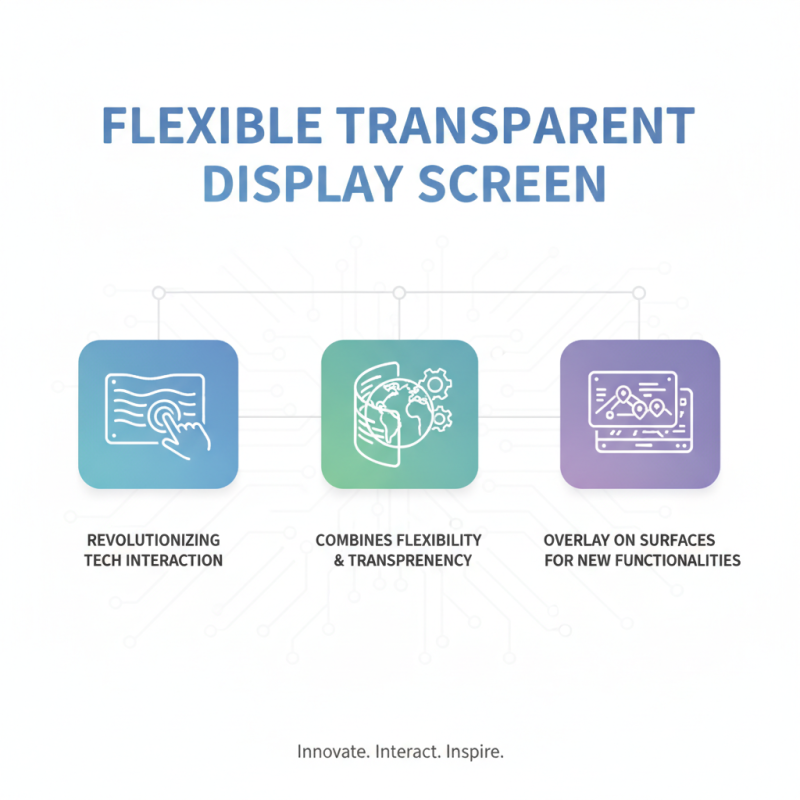
Flexible transparent display screens are revolutionizing the way we interact with technology. These screens combine the benefits of flexibility and transparency. Users can overlay these displays onto various surfaces, creating new functionalities.
The core technology behind flexible transparent displays often involves organic light-emitting diodes (OLEDs). These diodes allow for vibrant colors and sharp images, all while being lightweight. Their flexibility means they can curve and adjust to different shapes without losing resolution. In everyday use, imagine a window displaying real-time information or an interactive advertisement that changes as you walk by.
However, the technology is still evolving. The production process can be costly and complex. Some users may find the visibility of sunlight affects clarity. Moreover, durability is a concern. Ideally, users should weigh the advantages against these potential drawbacks. The journey of flexible transparent displays is just beginning, and there’s much to explore within this fascinating field.
Key Technologies Behind Flexible Transparent Displays
Flexible transparent displays represent a groundbreaking technology with vast applications. These displays can bend and twist while maintaining clarity, making them ideal for various use cases. The key lies in their composition, especially with the use of organic light-emitting diodes (OLEDs) and advanced polyimide substrates. This combination ensures durability and flexibility.
A significant principle behind flexible transparent screens is their layer structure. They consist of conductive materials that enable light production. The transparent nature allows users to see through while displaying vibrant content. However, achieving the perfect balance between flexibility and transparency remains a challenge. Manufacturers must ensure that colors remain bright while avoiding distortion at different angles.
Furthermore, the integration of touch capabilities adds complexity. Users expect responsiveness, which requires intricate engineering. While progress has been made, there are still hurdles to overcome regarding production costs and scalability. These factors make widespread adoption of flexible transparent displays a work in progress. As technology evolves, we may see improvements, but the journey is far from over.
Growth of Flexible Transparent Display Technology (2018-2023)
This bar chart illustrates the growth in the market for flexible transparent display technology from 2018 to 2023, showing a steady increase as innovation and applications expand in various industries.
How Flexible Transparent Display Screens Work
Flexible transparent display screens represent a significant leap in display technology. These innovative screens can bend and curve, allowing them to fit various surfaces while remaining see-through. They utilize organic light-emitting diode (OLED) technology to produce images while maintaining transparency. This design allows for a seamless integration into environments, such as storefronts or cars.
How do these screens actually work? The key lies in the materials used. Transparent conductors enable electricity flow while providing the necessary transparency. With layers of OLED placed on top, images can be displayed without obstructing the view behind the screen. This combination offers endless possibilities for enhancing user experiences in retail, transportation, and even home design.
Tip: When considering flexible displays, keep in mind durability. While they are designed to bend, their longevity can vary based on usage.
These screens do have limitations. For instance, they often struggle with brightness compared to traditional displays. In bright environments, visibility can decrease. It’s essential to weigh the advantages against these drawbacks.
Tip: Test the screens in different lighting conditions before committing to design planning.
Applications of Flexible Transparent Display Screens
Flexible transparent display screens are revolutionizing various industries. These screens combine flexibility with transparency, allowing users to see through them while displaying dynamic images. This unique feature opens up new avenues for creativity and functionality.
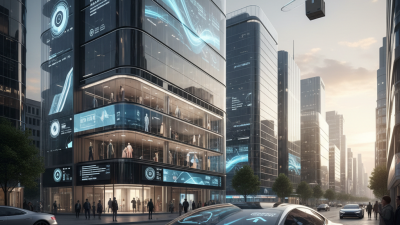
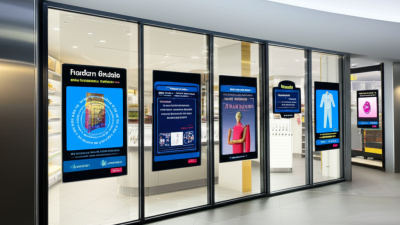
In architecture, these displays can be integrated into windows. Imagine a building where the glass can transform into a display board, showing information or advertisements while still allowing natural light. Retail spaces can leverage flexible screens to create captivating window displays that engage customers from outside. This leads to a more immersive shopping experience.
In healthcare, flexible displays can be used in medical imaging. Surgeons could view critical data overlayed on their field of vision without obstructing their view. This technology can enhance procedures and improve patient outcomes. However, this innovation also presents challenges. The durability and reliability of these displays must be addressed before widespread adoption. Ensuring they perform well in different environments is crucial for future applications.
Future Prospects of Flexible Transparent Display Technology
Flexible transparent display technology is advancing rapidly, driven by innovations in materials and design. According to a report by Market Research Future, the global market for flexible displays could reach $13 billion by 2025. This growth is fueled by applications in consumer electronics, retail, and automotive sectors. The ability to create displays that bend and fold opens new possibilities for product design. For instance, transparent screens can integrate seamlessly into home environments, allowing for interactive windows or smart surfaces.
However, challenges remain. The durability of flexible materials is a concern. Most prototypes have not yet achieved the level of reliability seen in traditional displays. Research published in the Journal of Display Technology highlights issues like susceptibility to scratches and limited lifespan. These factors make it essential to explore stronger materials. As industries seek to adopt these displays, further innovations are imperative to address these vulnerabilities.
Future applications could transform interactions with technology. Consider interactive advertisements that engage consumers directly. Transparent displays can also enable augmented reality features in everyday life. Still, the technology must overcome its current limitations. Improving the resilience and performance of materials is crucial. As the market evolves, continuous research will play a vital role in shaping the future of flexible transparent displays.