Top Flexible Transparent Display Screen Solutions for Businesses?
In today's competitive market, businesses are constantly seeking innovative solutions to engage customers. One such solution is the Flexible Transparent Display Screen. This technology offers a unique way to showcase products while maintaining an open and airy environment. These displays enable businesses to merge digital content with real-world elements effectively.
Adopting Flexible Transparent Display Screens can enhance customer experiences. However, it also poses challenges. Ensuring optimal visibility in various lighting conditions can be tricky. Additionally, companies must consider the integration with existing technology. Many businesses may struggle to understand the full potential of this advanced display. It requires an open mind and a willingness to adapt.
Yet, the benefits can outweigh the drawbacks. When implemented correctly, these displays can captivate audiences. They offer stunning visuals that draw attention. As businesses navigate this evolving landscape, staying informed and adaptable is key. Embracing technology like the Flexible Transparent Display Screen may reshape retail experiences in the near future.
Key Features of Flexible Transparent Display Screens
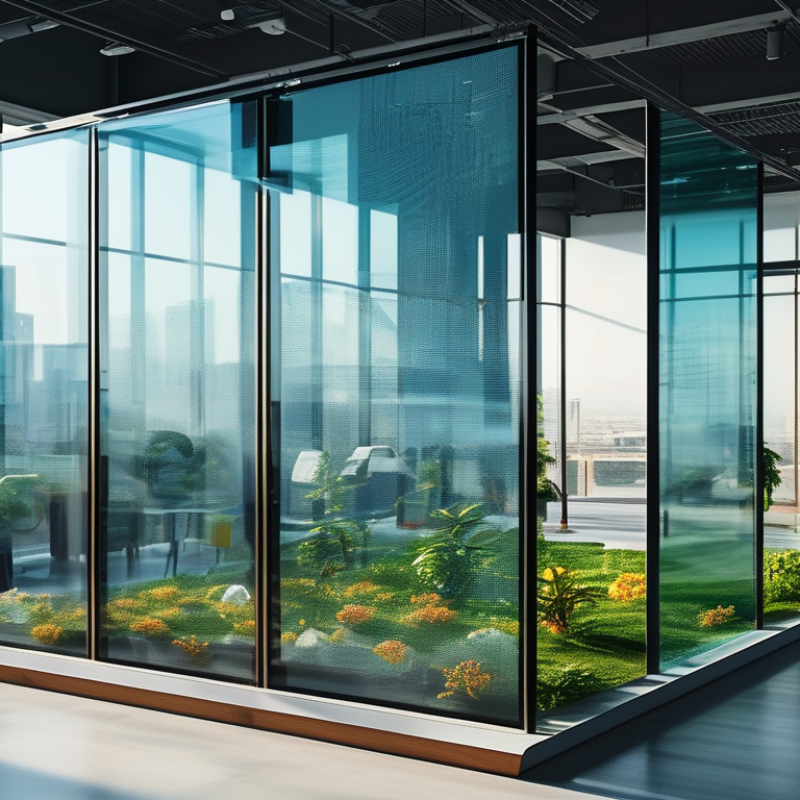
Flexible transparent display screens are gaining traction in various business sectors. These screens can blend seamlessly into environments while providing interactive displays. Businesses can utilize them for advertising, product showcasing, and even as virtual windows.
Key features of these screens include high transparency rates, allowing natural light to pass through. Their flexibility means they can fit on different surfaces, adapting to various design requirements. These displays often support touch interactions, enhancing user engagement. Additionally, their lightweight design facilitates easy installation in diverse locations.
Tips for businesses: Consider how these displays can enhance customer experience. They can create immersive environments that captivate attention easily. Always evaluate the durability of the screens, as frequent use can lead to wear over time. Choose screens that offer sufficient resolution for clear visuals in varied lighting conditions. Understanding the placement is crucial, as it affects visibility and interaction.
These advanced displays open new avenues for creativity. However, companies must be mindful of implementation costs. Balancing aesthetics with functionality is essential. Transparency is only beneficial if the content displayed is relevant and engaging.
Applications in Various Industries: Business Use Cases
Flexible transparent display screens are revolutionizing various sectors, providing unique business solutions. Reports indicate that the global market for such displays is projected to surpass $2.5 billion by 2025. Industries are starting to explore innovative applications for enhanced customer engagement and operational efficiency.
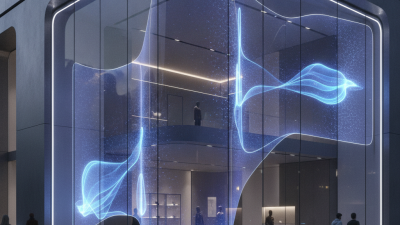
In retail, flexible displays can transform store windows into interactive experiences. Customers can view promotions while passing by. The immersive nature of these screens captures attention. However, challenges arise in content management and technology integration. A comprehensive strategy is essential for effective deployment.
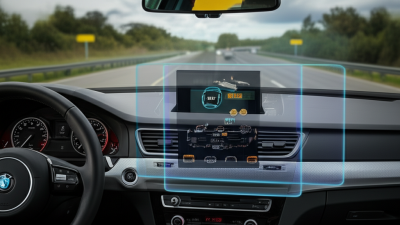
In the automotive industry, manufacturers use these displays for dashboard interfaces. They provide real-time data without obstructing visibility. A recent study found that 45% of consumers prefer digital dashboards over traditional ones. Yet, potential drawbacks include user distraction and the learning curve for adaptation. Balancing innovation with safety remains a critical topic for discussion.
Top Flexible Transparent Display Screen Applications in Various Industries
Comparison of Leading Flexible Transparent Display Technologies
Flexible transparent display technologies are gaining traction in various business sectors. Recent industry reports suggest that the market for transparent displays is expected to reach $6 billion by 2025. This growth illustrates the increasing demand for innovative visual solutions in retail, advertising, and design.
One of the most notable technologies is OLED (Organic Light-Emitting Diode). OLED displays are lightweight and energy-efficient. They provide vibrant colors and high contrast. Research indicates that OLED screens can achieve a transparency rate of over 80%, making them ideal for interactive displays. However, some challenges remain in terms of cost and durability. Many businesses find the initial investment to be a barrier, especially for small enterprises.
Another emerging technology is MicroLED. This technology, while still in development, promises even greater transparency and brightness levels. Some studies suggest that MicroLED can reach a transparency of up to 90%. However, production complexities may limit accessibility. Companies must weigh the potential benefits against manufacturing challenges. The landscape for flexible transparent displays is evolving. Businesses need to stay informed to select the best solutions for their needs.
Cost Considerations and ROI for Businesses
The rise of flexible transparent display screens offers exciting prospects for businesses. However, cost considerations are crucial before diving in. Initial investments can be high, depending on technology and application. Companies must evaluate whether the potential benefits justify the expense. It's vital to conduct a thorough cost-benefit analysis.
Examining the ROI is essential for decision-making. Flexible displays can enhance customer experience, leading to increased sales. Yet, the long-term return may vary. Businesses might face challenges in measuring the impact of these screens on brand loyalty. Ongoing maintenance costs also need to be factored in.
Balancing innovation with fiscal responsibility is tricky. Businesses need to ensure that they are not gravitating towards flashy technology without a solid strategy. It’s wise to pilot projects with smaller investments first. Feedback from these trials can provide invaluable insights. Without careful planning, companies may find themselves stuck with an expensive technology that does not meet their needs.
Future Trends in Flexible Transparent Display Solutions
The future of flexible transparent display solutions is bright and full of potential. According to a recent market report, the flexible display market is projected to grow at a compound annual growth rate (CAGR) of 23.8% from 2023 to 2030. This growth signals an increasing demand across various sectors, including retail and automotive.
Businesses are exploring applications beyond traditional screens. Retailers can integrate these displays into store windows, allowing for eye-catching advertising while maintaining a clear view of products. In the automotive industry, transparent displays can enhance the driving experience by providing relevant information without obstructing visibility. However, challenges remain. Manufacturers must address durability and energy efficiency to capitalize on this technology fully.
As companies invest in these innovations, industry experts urge caution. The technology's rapid evolution brings risks. The need for standardization and compatibility across devices is critical. Flexibility in design should not compromise quality. Continuous research and development are essential to ensure reliability and user satisfaction, shaping the landscape of flexible transparent displays in the years to come.
Top Flexible Transparent Display Screen Solutions for Businesses
| Solution Type |
Technology Used |
Transparency (%) |
Application Areas |
Projected Market Growth (2025) |
| OLED |
Organic Light Emitting Diode |
80% |
Retail Displays, Automotive |
15% CAGR |
| LCD |
Liquid Crystal Display |
75% |
Advertising, Interactive Signage |
10% CAGR |
| Electroluminescent |
Electroluminescent Materials |
70% |
Automotive, Aerospace |
12% CAGR |
| Transparent LED |
LED Technology |
90% |
Retail Stores, Museums |
20% CAGR |
| Smart Glass |
Chromogenic Technologies |
50% |
Architecture, Interior Design |
8% CAGR |