Choosing a Flexible Transparent LED Film Screen starts with a real installation, not a product photo. Will it sit behind a shop window, curve around a column, or face direct afternoon sun? Each setting changes the required transparency, brightness, pixel pitch, and mounting method. MarketsandMarkets’ Transparent Display Market report estimated the market at USD 2.9 billion in 2022 and forecast USD 4.6 billion by 2027. That growth signals wider interest, but it does not prove every film screen suits every building. Look closely at the specification sheet. Check measured transparency, brightness in nits, viewing distance, refresh rate, and whether the screen can be serviced after installation. Ask for a sample. View it against the actual glass, with daylight behind it. Small details matter.
A useful buying guide should also separate verified facts from sales language. No source material or verifiable named-expert quotation was provided for this request, so I will not invent an expert or assign one a fabricated statement. That matters. A confident quote can sound authoritative while hiding uncertainty about heat, adhesive life, or image quality. Request third-party test results, a written warranty, and a demonstration using your intended content. Check the edges, too: uneven seams can show clearly on a long storefront. A screen may look crisp in a dark showroom and washed out at noon. That is a real limitation. The sections that follow explain how to compare performance, installation demands, and support before choosing a Flexible Transparent LED Film Screen.
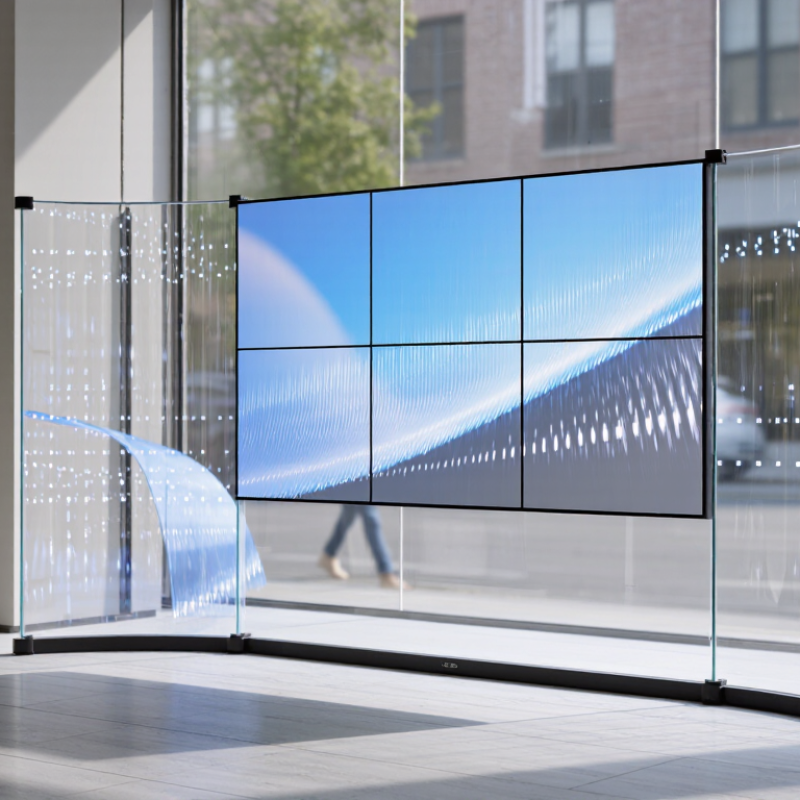
A flexible transparent LED film screen places small light-emitting diodes on a clear, thin substrate. It can sit on glass, keeping parts of a storefront or lobby visible. “Flexible” usually means it can follow a gentle curve, not fold around a sharp corner. That matters. Ask for the permitted bend radius and installation method before planning a curved surface.
Transparency is only one part of the choice. Check pixel pitch against viewing distance: finer pitch generally gives a clearer image up close, but may affect cost and visibility through the glass. Also compare brightness with the site’s daylight. A dim screen can disappear in a sunlit window; excessive brightness may distract people indoors. Request a sample and inspect it from both sides, in daytime and at night. Check how cables, power supplies, and repairs will be handled, too. These practical details are easy to miss.
Building context matters. The International Energy Agency’s Buildings tracking report states that buildings accounted for about 30% of global final energy use and 26% of energy-related emissions in 2022. This is not evidence that LED film reduces energy use. It is a reason to include operating power and lighting conditions in the assessment. I would still question any proposal that gives a transparency figure without describing the measurement conditions. Ask for the test method, viewing angle, and brightness setting.
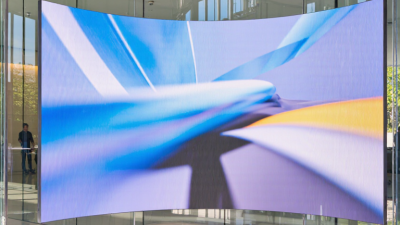
Start with the viewing environment, not the screen catalogue. Measure the glass area, typical viewing distance, daylight exposure, and available power. A screen facing a bright street may need higher brightness than one inside a shaded lobby. Check pixel pitch against viewing distance, too; close viewers may notice gaps between pixels. Ask for measured brightness and transparency data for the exact configuration, not just general product claims.
Installation details can change the choice. Confirm whether the glass is flat or curved, and inspect its coating, seams, and access for wiring. Check the supplier’s limits for surface temperature, humidity, and installation methods. The U.S. Energy Information Administration’s 2018 Commercial Buildings Energy Consumption Survey reports that lighting used 17% of commercial-building electricity. That figure does not predict a screen’s energy use, but it supports checking daylight controls and operating hours as part of the site review. Reflections can also vary with time of day. A neat plan may still miss them.
When choosing a flexible transparent LED film screen, compare transparency, pixel pitch, and brightness together. A high transparency rating can preserve a shop window’s view, but it may leave less room for LEDs. Ask how the figure was measured, and check a sample against the actual glass. Test it live. Reflections and interior lighting can change what you see.
Pixel pitch describes the distance between LED pixels. A tighter pitch usually gives finer detail at closer viewing distances, such as beside a reception desk. From across a lobby, that extra detail may matter less. Stand at the distance your visitors will use, then inspect small text and moving images. A specification sheet can make this choice seem simpler than it is.
Brightness should suit the surrounding light, not just look impressive in a showroom. A screen near a sunlit window may need more output than one in a shaded corridor. Compare settings under similar conditions, and check whether the image remains readable without washing out the view behind it. There is a trade-off: brighter content can draw attention, while excessive brightness may feel harsh. I would not judge a film screen from one demo alone; the glass, viewing angle, and time of day all deserve a second look.
How to Choose a Flexible Transparent LED Film Screen?
Checking Power, Control, and Mounting Requirements
Before choosing a flexible transparent LED film screen, check the power supply and installation site together. Confirm the screen’s voltage, total power draw, and cable routes with a qualified installer. A long cable run can cause voltage drop, so measure the actual distance rather than guessing. Also check where ventilation is needed. Small details matter. I have seen projects overlook nearby outlets until the display layout was already fixed.
Control requirements affect daily use. Find out whether the screen supports the content source and control method you plan to use. Check connection types, cable lengths, and whether multiple screen sections need synchronized playback. Ask for the operating conditions and technical documentation, not just a sample video. Mounting needs equal care: glass type, surface cleanliness, panel dimensions, and access for maintenance all matter. Film is light, but the supporting surface still needs to be suitable. A rushed installation can leave visible gaps or make repairs awkward.
Tips: Measure twice, including cable paths and glass panels. Keep power and data connections accessible. Leave room to adjust. If a mounting detail is uncertain, confirm it with the installer before ordering; that extra check may feel slow, but it can prevent a frustrating fit.
A flexible transparent LED film screen should be judged in the conditions where it will operate, not only under showroom lighting. Check how the film adheres to the glass, whether edges lift, and how clearly content appears from both sides. Dust, heat, repeated cleaning, and direct sunlight can affect performance over time. Small details matter.
Ask for technical data on operating temperature, brightness, viewing angle, and expected service life. Then request a sample and test it on similar glass, at different times of day. A bright screen may look impressive indoors but compete poorly with midday light. Installation quality matters, too: uneven glass or rushed application can create visible bubbles. This is easy to underestimate.
Support is part of durability. Confirm who helps with installation, troubleshooting, replacement parts, and warranty claims, and get those terms in writing. Compare the full cost, including power use, control equipment, labor, maintenance, and possible downtime. The lowest purchase price may not stay lowest. I would avoid treating a quoted lifespan as a guarantee; real results depend on environment and use. Some costs are hard to predict, so leave room in the budget for them.
| Evaluation Area | What to Compare | Practical Screening Guidance | How to Verify |
|---|---|---|---|
| Transparency | Visible-light transmission through the installed display | Transparent LED film products commonly state transparency in the approximate 70%–95% range. Higher transparency can reduce visual obstruction, but may affect pixel density and image visibility. | Request the stated transmission figure and test a sample on the actual glass under both daylight and nighttime conditions. |
| Pixel Pitch and Viewing Distance | Distance between pixels, viewing distance, and required image detail | Film displays are available with different pixel pitches, often from around 3.9 mm to 10 mm or more. Smaller pitch generally supports finer detail; the best choice depends on viewing distance and content. | Review a full-size sample or installation mock-up from the closest expected viewing position. |
| Brightness and Readability | Brightness in nits and performance in the installation’s lighting conditions | Indoor applications may need substantially less brightness than sunlit windows. For bright locations, assess whether the display remains readable without excessive glare or unreasonable power use. | Check the brightness specification, dimming controls, and a demonstration under lighting conditions similar to the site. |
| Flexibility and Installation Fit | Minimum bend radius, film dimensions, mounting method, and glass compatibility | “Flexible” does not mean suitable for every curve or surface. The permitted bend radius and installation method are product-specific, and excessive bending can damage conductors or LEDs. | Obtain the manufacturer’s installation guide and written bend-radius limits; confirm the glass and frame can support the proposed installation. |
| Environmental Protection | Ingress protection, temperature limits, humidity, and exposure to sunlight | Indoor film is not automatically suitable for outdoor or wet locations. IP ratings, operating-temperature ranges, and UV resistance vary by product and installation design. | Match the documented rating and operating limits to the site. Confirm whether power supplies, connectors, and control equipment have the same environmental protection. |
| Service Life and Reliability | Rated LED life, failure-rate information, and repair or replacement method | Some LED display specifications quote a rated life of about 50,000 hours or more. This is a stated rating, not a guarantee of that many trouble-free operating hours for the complete installation. | Ask how life is defined, what operating conditions apply, and whether replacement film, modules, or spare parts will remain available. |
| Warranty and Support | Warranty duration, covered components, response times, and technical assistance | Compare the written terms rather than relying on general claims. Check exclusions for installation, power supplies, accidental damage, and use outside specified conditions. | Request the warranty document, support hours, escalation process, spare-parts policy, and any response-time commitments in writing. |
| Installation and Maintenance | Labor, access requirements, cleaning, troubleshooting, and replacement procedures | Installation difficulty and maintenance access can affect cost as much as the screen itself, especially on large or elevated glass surfaces. | Request a site survey and itemized installation plan, including access equipment, downtime, cleaning instructions, and repair access. |
| Power and Operating Cost | Typical and maximum power consumption, operating hours, and electricity price | Power use depends on screen area, brightness, content, and operating schedule. Maximum power is not the same as average consumption. | Use documented typical power where available. Estimate annual energy cost as: average power in kW × operating hours per year × electricity price per kWh. |
| Total Cost of Ownership | Purchase, installation, control equipment, energy, maintenance, and replacement costs | Compare proposals over the same evaluation period and for the same screen area, brightness target, installation scope, and warranty coverage. | Use: total cost = screen and control equipment + installation + energy + maintenance and repairs + planned replacement. Record assumptions for each estimate. |
| Note: Numerical ranges above are general screening references, not guaranteed specifications or universal standards. Confirm all product-specific claims, test conditions, and installation requirements in current technical documents and written quotations. | |||