Flexible Transparent LED Film Screen technology brings digital content to glass without turning a bright storefront into a solid wall. Its appeal is easy to see: daylight still enters, while moving images appear across the façade. Yet the finished effect depends on more than a product photo. Pixel pitch, brightness, transparency, viewing distance, and installation quality all shape what people actually see.
For a guiding perspective, display analyst Ross Young is known for examining display-market trends. The line below is an editorial summary, not a verbatim quotation: “Judge a transparent display by the view it preserves as well as the image it shows.” That distinction matters. A vivid sample in a dark showroom may look very different against sunlit windows. Small details count. Cable routing, glass dimensions, service access, and content contrast deserve careful checks. They can be overlooked.
This overview compares leading suppliers worldwide and the factors buyers should verify before requesting a quote. It considers film construction, control systems, customization, technical documentation, and support after installation. Supplier claims are not always directly comparable, so specifications should be checked against the intended site. Ask for a sample, installation guidance, and performance data under realistic lighting. A shortlist is only a starting point. The right choice depends on the building, the viewing conditions, and the team responsible for maintaining the display.
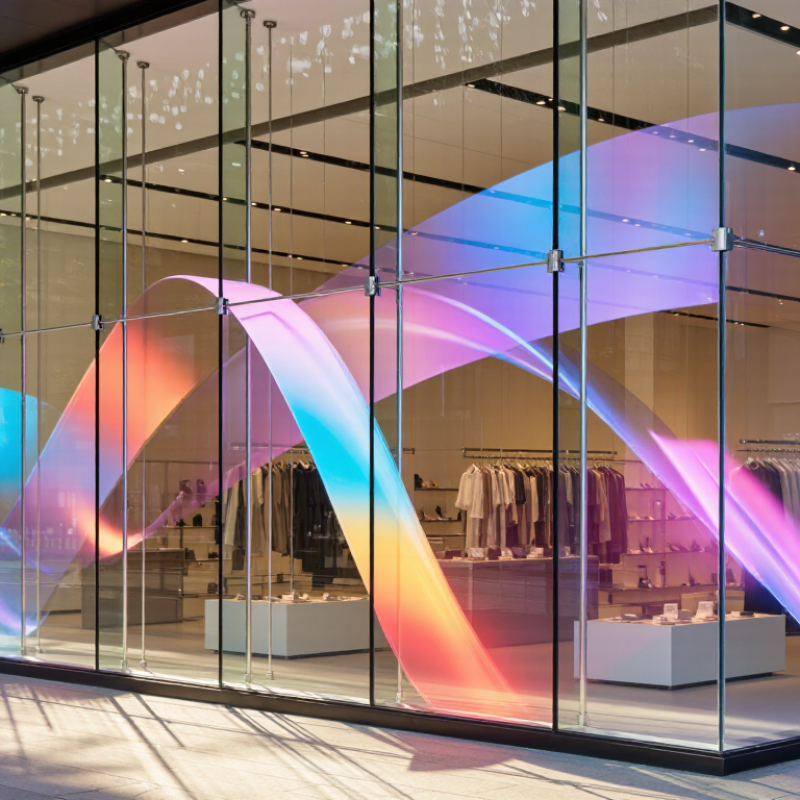
Transparent LED film is a thin display layer applied to glass, where daylight and indoor views still matter.
Published product specifications commonly place transparency around 70–95%, but the figure depends on pixel spacing, substrate, and measurement method. Treat it as a range, not a guarantee. A sunlit shop window can look very different from a studio sample.
Pixel pitch describes the distance between neighboring pixel centers. Transparent film commonly uses pitches from about P3.9 to P10; smaller numbers generally create finer detail at closer viewing distances. Wider pitches leave more open area, but text and fine graphics may appear coarse nearby.
A 2024 MarketsandMarkets LED Display Market report estimated the overall market at USD 23.1 billion in 2024, forecasting USD 35.5 billion by 2029. That broader growth figure does not prove demand for every film specification.
Real installations vary. Ask suppliers for measured transparency, pitch, brightness, and test conditions, then inspect content through the actual glass. A display can be transparent on paper and still feel visually crowded.
A global supplier comparison should begin with operating conditions, not the brightest number on a product sheet. Grand View Research valued the worldwide digital signage market at USD 28.83 billion in 2023 and projected an 8.1% annual growth rate through 2030. That expanding market brings more options, but specifications are not always presented consistently. Ask suppliers to state brightness in nits, measured on the finished film, at a named power setting. Request test results with transparency, viewing distance, and ambient light recorded.
Test it onsite. A bright showroom demo can mislead; it is an imperfect proxy for a sunlit glass façade. Compare samples against the actual window, including afternoon glare, indoor reflections, and nighttime dimming. Check whether brightness remains stable after several hours of operation. A higher peak figure may be less useful than even brightness across the full panel.
Read warranty terms line by line. Confirm coverage for pixel failure, driver faults, film delamination, labor, and replacement shipping. Ask how long essential spare parts remain available. Service coverage matters too: request local response times, remote diagnostic hours, and the process for urgent repairs across time zones. Get those details in writing. One weak point deserves reflection: a long warranty means little if the nearest technician or replacement stock is far away.
Viewing distance should match pixel pitch and the content people need to read. A rough starting point is one metre of distance per millimetre of pixel pitch, but this is only a guide. Fine text and close-up viewing need tighter spacing. Always assess a sample from the actual audience position. Small details matter.
Brightness, measured in nits, should suit the glass location. A bright shop window facing afternoon sun needs more output than an indoor lobby. Ask suppliers for measured brightness and clarify whether figures describe maximum or typical operation. Excessive brightness can cause glare and reduce viewing comfort. There is no perfect cutoff; reflections, tint, and daylight change the result. A specification sheet alone can mislead.
Tips: Check the IP rating for the installed surface and exposure direction. IP ratings describe protection against dust and water, not overall durability. Confirm seals, connectors, and power supplies are covered too. Test it onsite. A brief trial may reveal reflections or visibility issues that were missed in planning.
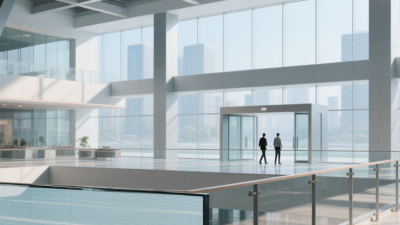
Transparent LED film works best when installation planning begins with the glass, not the screen. On glass facades, check glazing type, coatings, orientation, wind exposure, and service access before specifying the display. A full-size sample can reveal reflections and visibility problems that small samples miss. Test it at noon and after dark. The International Energy Agency’s 2023 Global Status Report for Buildings and Construction estimates buildings use 30% of global final energy and produce 26% of energy-related emissions. That makes brightness schedules and power consumption relevant parts of facade planning, not afterthoughts.
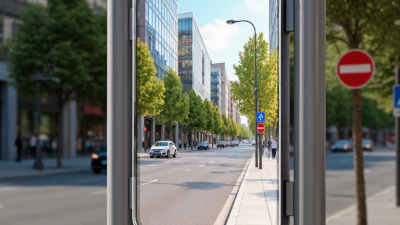
Retail windows face a different challenge: strong daylight competes with screen brightness, while excessive brightness can obscure products inside. Consider ambient-light control, readable content, and clear sightlines from the pavement. The U.S. Energy Information Administration’s 2018 Commercial Buildings Energy Consumption Survey reports about 6.8 quadrillion Btu of energy use by U.S. commercial buildings. This is not a screen-specific figure, but it underlines why operating loads deserve attention. Measure brightness in the actual window, since showroom lighting can change the result.
For curved surfaces, confirm the film’s minimum bend radius and the glass manufacturer’s installation limits. Gentle curves may work; tight corners can stress wiring or create uneven pixels. The fit is rarely perfect. Ask suppliers for a curved mock-up, transparent-area measurements, and installation guidance for the exact glass assembly. Check cable routes and removable sections before crews arrive. A small site survey can prevent visible seams, trapped dust, and difficult maintenance.
The chart groups three common application surfaces: glass facades, retail windows, and curved surfaces.
Each bar represents one surface category included in this overview. This is a category guide, not market-share or product-performance data. Installation suitability depends on the film specification and the surface.
A rated lifespan is meaningful only when the supplier explains its test conditions. The U.S. Department of Energy describes LED lifetime using measures such as L70, the point when output falls to 70% of its initial level. Its general LED guidance often cites 25,000–50,000 hours, but that range is not a guarantee for a flexible display film. Ask for the film’s own test report, operating temperature, brightness setting, and failure criteria. Check whether the rating covers the LEDs, power supplies, and control system. These parts may age differently. Small detail, big difference.
Power figures need the same scrutiny. Request measured watts per square metre at a stated brightness, plus standby consumption and a full-white test result. Content matters: a mostly dark image can use less power than a bright, full-screen display. Compare quotes using identical conditions, not a single “maximum” figure. For project support, confirm installation guidance, spare-part availability, response times, and remote troubleshooting access. Ask who handles calibration after the film is fitted to glass. Get the answer in writing. A perfect specification sheet is not the same as reliable support on a busy site; that is worth checking before purchase.
| Procurement Dimension | Reference Figure or Range | What to Verify with Each Supplier | Project Risk if Unverified |
|---|---|---|---|
| Rated lifespan | 50,000 operating hours is a commonly quoted rating; the figure alone does not define when the display is considered end-of-life. | Request the rating definition, such as an L70 maintenance target, operating conditions, test documentation, and written warranty coverage. | Different lifespan definitions can make supplier claims difficult to compare. |
| Power consumption | There is no single reliable figure for all film screens. Consumption depends on product design, brightness, displayed content, and operating settings. | Obtain both maximum and typical power in W/m², with brightness and test conditions stated. Confirm the electrical load for the complete installation. | Using only a maximum or only an average value can lead to incorrect energy and power-supply estimates. |
| Transparency | Manufacturers commonly publish transparency figures in the approximate 70%–95% range, depending on the product construction and measurement method. | Request the measurement method and a sample or full-size mock-up. Check the view from both sides under the project's actual lighting conditions. | A stated percentage may not reflect the perceived visibility through the installed screen. |
| Pixel pitch | Flexible transparent film products are offered in a range of pixel pitches; the available options depend on the product design. | Match the quoted pitch to viewing distance and content. Request a close-up sample and confirm the active display area and resolution. | A pitch selected without considering viewing distance may produce an unsuitable image or unnecessary cost. |
| Brightness | Brightness requirements vary with ambient light, glazing, viewing direction, and whether the installation is indoors or outdoors. | Request brightness in cd/m², measurement conditions, and any brightness-control range. Evaluate a sample in comparable ambient light. | Insufficient brightness can reduce visibility; excessive brightness may increase power use and glare. |
| Mechanical and installation limits | Minimum bend radius, panel dimensions, mounting method, and permitted operating temperature are product-specific. | Obtain installation drawings and limits in writing. Confirm substrate requirements, cable routing, access for maintenance, and whether the proposed curve is permitted. | Unapproved bending or mounting can damage the screen or complicate servicing. |
| Environmental protection | Ingress-protection ratings apply to defined test conditions and to the rated assembly; they should not be assumed for every film screen. | For exposed installations, request the exact IP rating and supporting documentation for the screen, connectors, power supplies, and control equipment. | A rating for one component may not establish protection for the complete installation. |
| Warranty and spare parts | Warranty duration, exclusions, replacement terms, and spare-part availability are contract-specific. | Confirm warranty start date, covered components, response and repair process, spare-parts lead time, and responsibility for shipping and labor. | Unclear terms can increase downtime and lifecycle costs. |
| Project support | Commissioning, control-system integration, installation guidance, and on-site support should be agreed for the individual project. | Request a named project contact, a delivery and commissioning plan, control-system compatibility details, training scope, and support response targets. | Unassigned responsibilities can delay installation, testing, or handover. |
| Compliance documentation | Applicable requirements depend on the destination market and the complete system configuration. | Request relevant declarations and test reports for the supplied equipment, and have the project team confirm local electrical, fire, and building requirements. | Missing or mismatched documentation can delay approval or installation. |
| Comparison note | The figures and ranges above are general procurement references, not specifications or guarantees for any individual supplier. Compare written, project-specific quotations using the same test conditions, units, and scope of supply. | ||